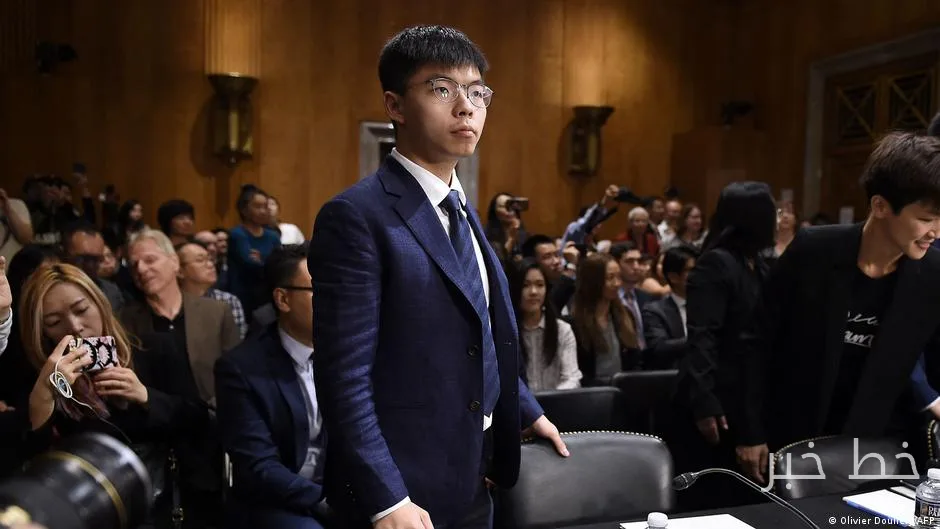
Joshua Wong, a well-known democracy advocate in Hong Kong, was sentenced to another 10 years in prison on Thursday. This sentence was issued for collaborating with foreign powers under the national security law imposed by China on Hong Kong.
Details of the New Sentence
Joshua Wong, 30, is currently serving an almost five-year sentence for "violating" the national security law. He has been sentenced to another 10 years in prison, despite expectations that he would be released in January next year. With this new sentence, his release date has been postponed to the end of 2036.
Background and Impacts of the National Security Law
The national security law, enacted in 2020, grants the Chinese government greater powers to control and suppress dissenting activities in Hong Kong. This law is widely regarded as a tool to restrict civil and political freedoms in the region. Wong is one of the prominent figures in the democracy movement in Hong Kong and has been recognized as a symbol of resistance against government repression since the protests began in 2014.
Wong's conviction has once again drawn global attention to the human rights situation and civil liberties in Hong Kong. Many observers believe that such sentences reflect the Chinese government's hardline approach to any dissent and opposition.
Global Reactions and Responses
Joshua Wong's conviction has faced strong international reactions. Many Western countries and human rights organizations have expressed concern over this ruling, deeming it a violation of human rights. These reactions highlight the pressures China faces due to its actions in Hong Kong.
As Wong continues to serve his sentence, it is expected that this case will be discussed as an example of the increasing suppression of civil liberties in China and Hong Kong in the coming years. The future of the democracy movement in Hong Kong heavily depends on the state of human rights and the policies of the Chinese government.