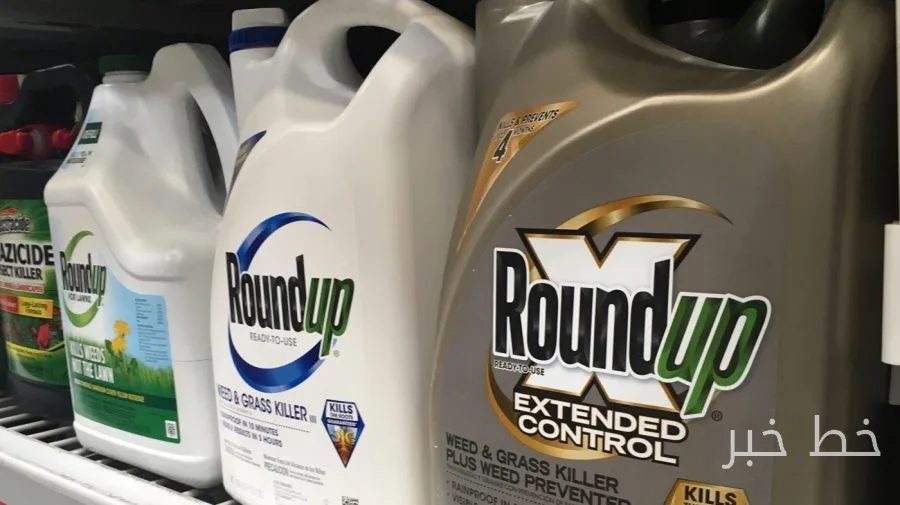
Judge Timothy Boyer on Friday approved a proposed settlement of $7.25 billion to resolve current and future lawsuits related to cancer caused by exposure to the herbicide Roundup, produced by Monsanto. This decision ends years of legal battles in which individuals claimed that their exposure to Roundup caused them to develop blood cancers known as non-Hodgkin lymphoma.
History of the Lawsuit
The history of this lawsuit dates back several years when users of the herbicide Roundup sued Monsanto due to the onset of serious illnesses such as cancer. They claimed that this herbicide contains harmful chemicals that can jeopardize human health. In particular, there are studies indicating that glyphosate, the main ingredient in Roundup, may be linked to certain types of cancer.
Read more: Bernie Sanders Announces Democrats' Health Priorities
Details of the Settlement
The $7.25 billion settlement includes compensation for individuals who have developed illnesses related to the herbicide Roundup. This settlement also covers individuals who may develop these illnesses in the future. Judge Boyer emphasized in his ruling that this settlement is in the interest of justice and public health and can help affected individuals return to their normal lives.
The settlement also includes new oversight programs for the production and distribution of Roundup to prevent similar issues from arising again. However, some critics argue that this settlement cannot address all the problems associated with Roundup, and concerns about the health implications of this herbicide will persist.
Legal and Social Implications
Judge Boyer's decision is not only a milestone in Monsanto's legal history but could also have profound effects on other companies producing herbicides and similar chemicals. This settlement could serve as a precedent for other similar lawsuits in the future and help raise public awareness about the dangers of agricultural chemicals.
This decision may also lead to changes in agricultural practices and the use of chemicals in the farming industry. Given the increasing criticism of chemical use in agriculture and the focus on more sustainable methods, this settlement could be seen as a wake-up call for the agricultural industry.
Read more: Fiona, the Hippo at Cincinnati Zoo, Dies After Swallowing a Hat · Europe's Cancer Fighting Program Faces Serious Implementation Issues