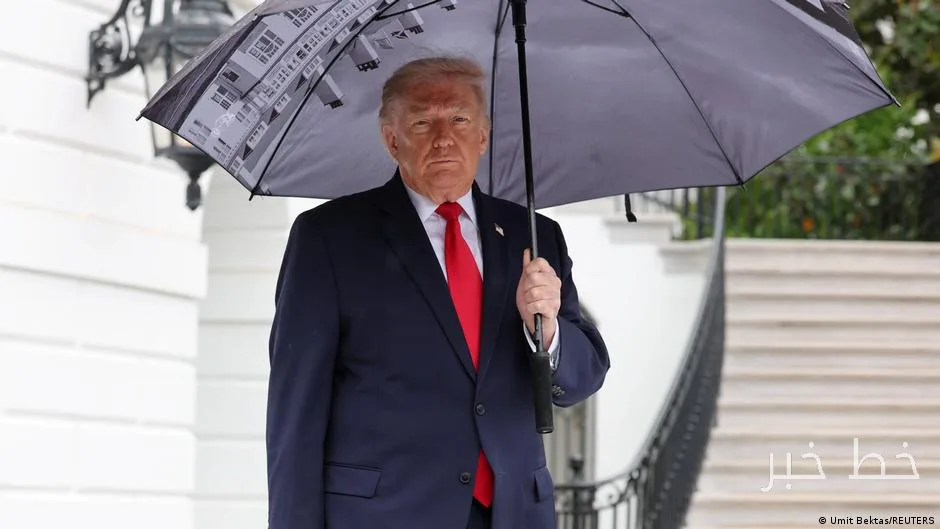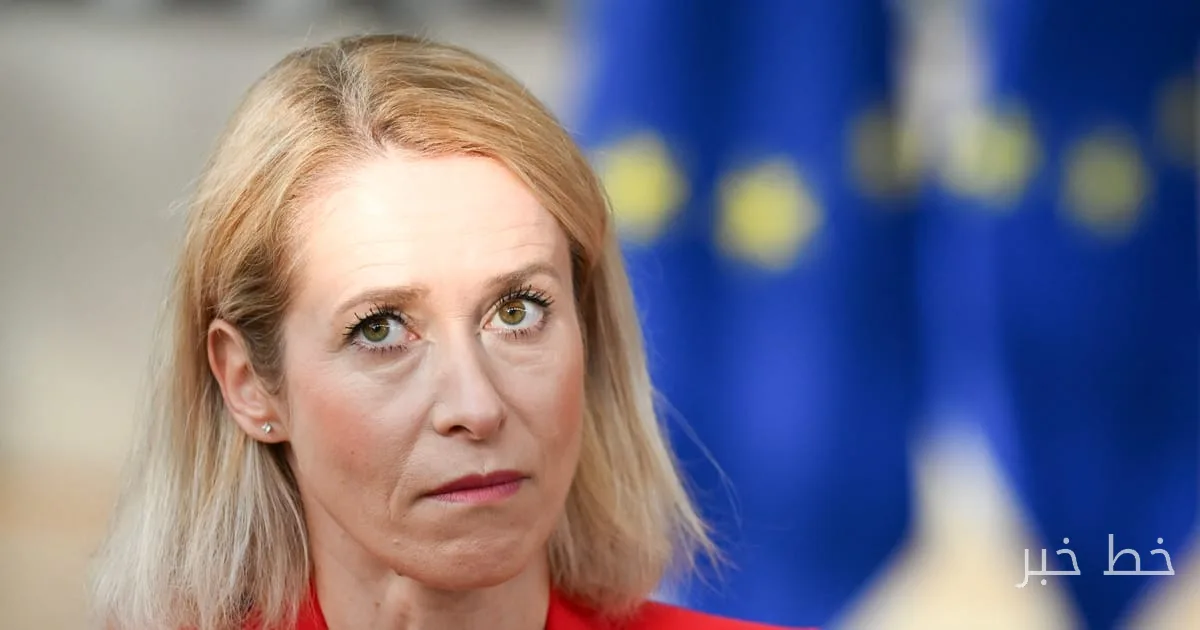
Kaja Kallas, the EU's foreign policy chief, announced on Saturday that the potential return of Vladimir Putin to the G20 summit in Florida in December carries the risk of normalizing Russia's war crimes in Ukraine.
Normalization of War Crimes
Kallas stated in an interview with Bloomberg Television: "The normalization of Russia's return to these international forums means the normalization of the war crimes that are happening every day in Ukraine." She also pointed out that Russia's war in Ukraine contradicts the principles of the United Nations Charter, to which all countries are bound.
Lavrov's Presence and Europe's Reactions
Vladimir Putin has not yet confirmed whether he will attend the December summit. His last appearance at a G20 summit was in 2019, three years before Russia's full-scale invasion of Ukraine in February 2022.
Kallas's remarks came in response to the growing frustration among EU countries regarding the presence of Sergey Lavrov, the Russian Foreign Minister, at a G20 ministers' gathering in Atlanta. Marco Rubio, the U.S. Secretary of State who hosted the meeting, canceled the traditional family photo after European officials refused to stand alongside Lavrov.
Kallas stated in the interview: "We do not want to stand next to him [Lavrov] in these forums" because he is under international sanctions. However, she added that Lavrov's presence means that "we can quickly respond to these lies" from Russia.
Kallas also assessed the U.S. decision to sell 500 Patriot anti-aircraft missiles to Ukraine as a "very positive development" and urged allies to intensify sanctions against Russia. As a former Prime Minister of Estonia, Kallas has become one of the prominent critics of Russia in the EU.
In her interview, she responded to reports about the Pentagon's requests to NATO countries, including the Baltic states bordering Russia, to tone down their criticism of the Kremlin. She said: "The question is, if you don't talk about the threat, does that threat disappear? I don't think that threat will go away."
Read more: Zelensky Met with Erdogan in Istanbul to Strengthen Cooperation