Families in the sandy islands and rivers of Bangladesh, located in the Brahmaputra basin, have no safety net when the water rises. Rasel Babu, a 16-year-old who traveled to Antalya, Turkey to speak with representatives at the UN climate conference, said, "The floodwaters swallow everything."
Establishment of the Climate Loss and Damage Fund
The Climate Loss and Damage Fund was created after years of pressure from vulnerable countries to assist nations in recovering from climate disasters and irreversible impacts. This includes extreme weather events such as floods, heatwaves, and wildfires, as well as gradual impacts like rising sea levels, desertification, and damage to infrastructure and crops.
However, the fund currently faces serious challenges in meeting demand. In its first funding request, the fund received an urgent request for $2.8 billion, while only $342 million was available at that time.
Lack of Funding and Bureaucracy
Even the promised funds have not been fully delivered. By summer, only about half of the pledged funds had been received. Meanwhile, the European Commission has signed an agreement for €25 million ($27 million) to the fund, and Spain has also pledged another €15 million, but other contributions to the Climate Loss and Damage Fund are very limited.
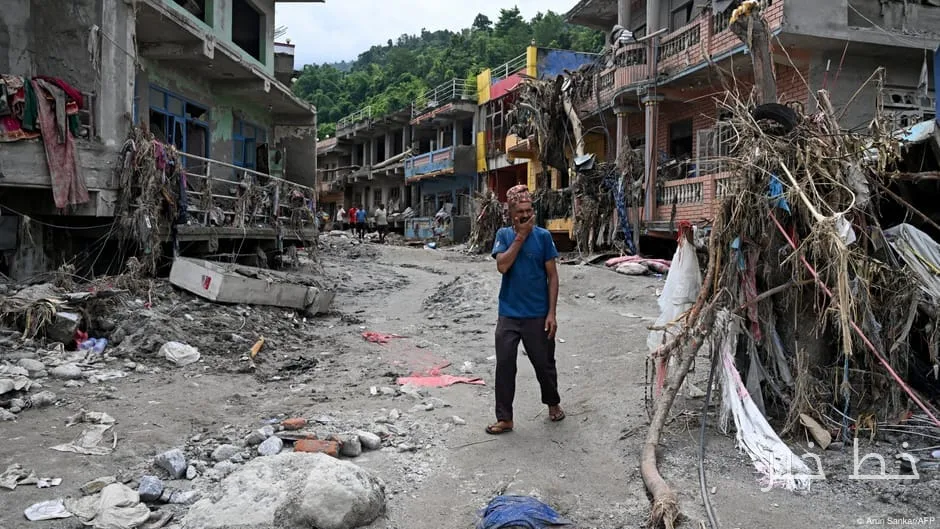
The fund's first emergency response will be paid to Nepal. The fund's board has temporarily set aside $21.6 million following the collapse of glaciers that led to flash floods in August, claiming the lives of over 1,500 people. However, the money has not yet been disbursed, and Nepal must first submit its funding request to specify how it will be spent.
Bibek Raj Kandel, a climate finance expert from Nepal, stated that this request from a country facing a climate emergency to prepare a proposal is an inefficient bureaucracy that does not respond urgently. Nepal is currently awaiting another request submitted after the floods in Kathmandu and landslides in the eastern hills.
Shiraz Mansab Ali Khan Kharal, Pakistan's climate minister, who led the efforts to establish this fund in 2022 after floods affected 33 million people and claimed over 1,730 lives, stated that "Pakistan was one of the countries that really spoke up and managed to bring the Climate Loss and Damage Fund into the climate agenda. But this is a time-consuming process. We still haven't really received anything."
Pakistan has submitted two projects and has been informed of a ceiling of $200 million. Other forms of assistance are usually in the form of loans. Abid Qayyum Suleri, executive director of the Sustainable Development Policy Institute in Islamabad, said, "These promises are empty promises" and added that for a country that is heavily indebted, the type of money is as important as the amount.
Shiraz Kharal called for grants instead of loans, saying, "We do not want a climate disaster in Pakistan to turn into more debt for Pakistan."



