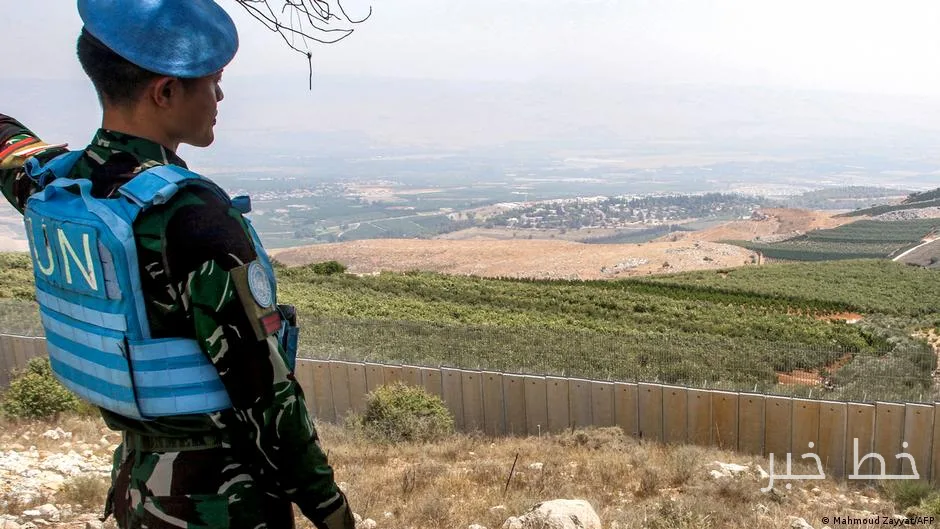
Lebanon, as the end of the United Nations Interim Force in Lebanon, or UNIFIL, approaches, is facing uncertainty about the future of this country. The Prime Minister of Lebanon, Nawaf Salam, has warned of the need to "prevent a vacuum that may be created by the withdrawal of UNIFIL."
Efforts to Extend UNIFIL Mission
The Lebanese government is also seeking a last-minute extension of the UNIFIL mission, but has so far achieved no success in this regard. It is likely that 7,565 peacekeepers from 46 countries will withdraw from the UN-monitored border area known as the Blue Line on December 31, 2026.
Read more: Most Americans Doubt Trump's Acceptance of Midterm Election Results
The Blue Line, which is 120 kilometers (75 miles) long, is a line identified by the United Nations for withdrawal between Israel and Lebanon and is not an internationally agreed border. This line was established in 2000. However, UNIFIL multinational forces have been deployed to the area since 1978 to monitor the region following Israel's attack on Lebanon due to attacks by Palestinian armed groups.
Current Situation and Challenges in Lebanon
After the war between Israel and Hezbollah in 2006, the UNIFIL mission was expanded to support the Lebanese Army in implementing UN Security Council Resolution 1701. This resolution calls for the area between the Blue Line and the Litani River to be free of armed personnel, assets, and weapons except for those belonging to the Lebanese government and UNIFIL. It also calls for the withdrawal of Israeli forces from southern Lebanon.
However, following Hezbollah's border attacks in October 2023 and the ensuing wars in 2024, Israel has occupied large areas of Lebanese territory in a self-declared security zone known as the Yellow Line, which is located north of the Blue Line.
Of more than 1.2 million displaced persons in Lebanon during the renewed conflicts in 2026, approximately 329,000 remained internally displaced as of September 29. Israel has also inflicted extensive damage on homes and key infrastructure in southern Lebanon, claiming that these actions are necessary to protect its citizens in northern Israel from regional attacks.
Hezbollah, which is recognized as a terrorist organization by several countries including the United States and Germany, continues to refuse to disarm and points to the need for self-defense as long as Israeli forces are in Lebanon.
In this context, Lebanon faces serious challenges in securing the financing and resources necessary for its army. Given years of political deadlock, the COVID-19 pandemic, rampant inflation, and economic crises, Lebanon is in dire need of international funding.