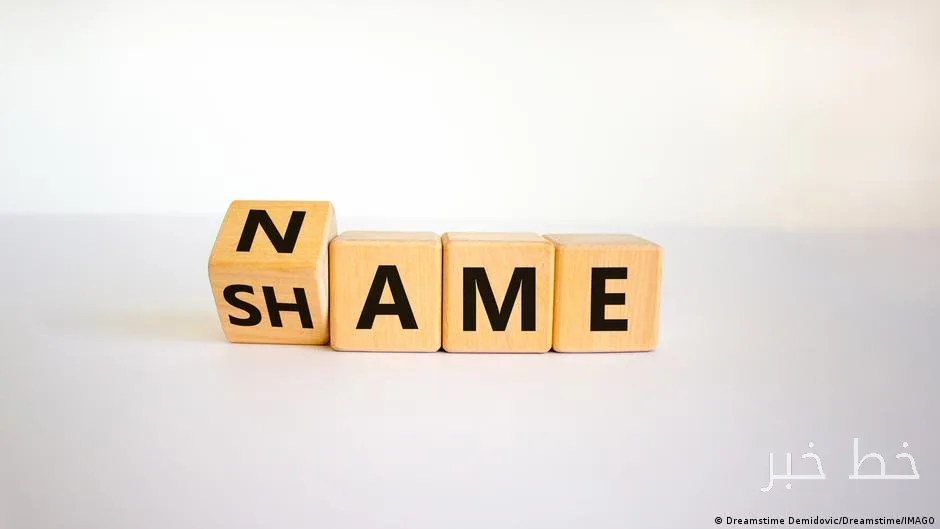
Louise Payne, an Australian woman, hated her last name during childhood. She says: "People laughed at me and gave me nicknames like 'Trouble.'" This mockery not only troubled her during childhood but continued throughout her life, even after moving to Germany. However, over time, her feelings about her name have changed.
The Impact of a Name on Personal Identity
Names are an essential part of our identity and can affect how others interact with us. Mikita Bratman, a psychoanalyst, says: "A person's name is vital for their sense of identity." Research on name bias shows that names with negative connotations can lead to rejection in romantic relationships, lower academic outcomes, and even increased smoking rates. This indicates that names can influence the trajectory of our lives.
Read more: Greg Stanton predicted Trump would leave office by the holiday
Changing Feelings About a Name
Research has shown that an individual's relationship with their name is not static. Louise Payne and another woman named Tina, 54, are examples that show people can find ways to reclaim and even value names that were once sources of mockery and rejection. Tina, who grew up in Greece, faced frequent questions about her name. Her parents changed it from "Tiny" to "Tinie" to make it sound more Greek. She says: "Even relatives wouldn't accept that my name is just that."
Over time, Tina's relationship with her name changed. She realized that this name is unique and gives her a different identity. Louise also found better feelings about her name by learning French and discovering that in this language 'pain' means bread. She says: "People would say to me 'bread! Louise bread.'" This change helped her feel better about her name.
Coping Strategies and Identity Formation
As they grew older, Louise and Tina developed strategies to anticipate others' reactions to their names. Tina sometimes introduces herself with phrases like "Hi, I'm Tina. That's just my name, not a statement." Louise has also started to accept jokes about her name, saying: "I thought I had to become a doctor or a matron for my name to be presented as 'Dr. Payne' or 'Ms. Payne.'"
Louise now views her last name as a strength, although her childhood feelings about it have not completely disappeared. She says: "I really don't want to pass my last name on to my children... so it's a deeper wound." But she also believes that her father would be hurt if her children had a different name. The last name she once hated connects her to her father and her French heritage.
According to Melcy Daum, a psychoanalyst, "What was once felt as a nuisance or source of self-consciousness can become a sign of distinction, history, or belonging." Although Louise now embraces her name as part of her identity, she still avoids it in some contexts. She does not use the name Tina on dating apps, as she says: "Tina might send the wrong message."
Read more: Rick Jackson is concerned about rural voter participation in Georgia · Osha Vance responded to the insult against Indians