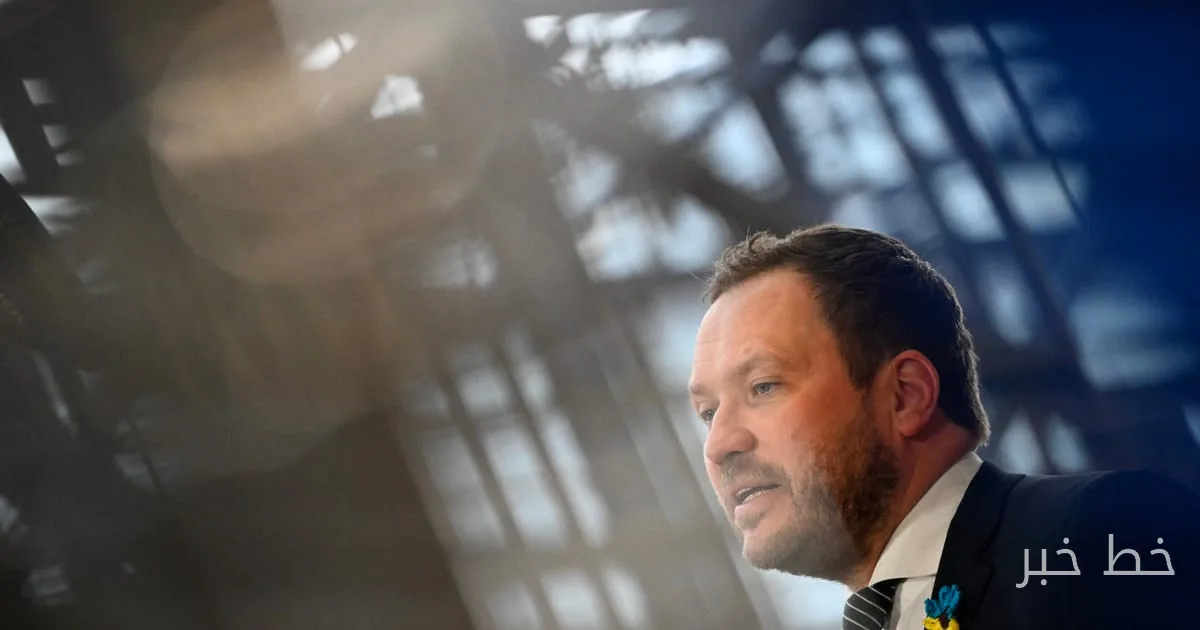
Margus Tsahkna, Estonia's Minister of Foreign Affairs, announced that the country has decided to close its land borders with Russia due to the escalation of hostile activities by Moscow against Europe. This action goes beyond border security issues and aims to enhance security in Europe and limit Russia's opportunities to exploit existing openings.
Increasing Russian Threats in Europe
Tsahkna pointed out that across Europe, there has been an increase in the number of subversive and threatening actions. For example, in Poland, Russian intelligence services are behind the fire that destroyed the Mariuszewska shopping center in Warsaw. Additionally, Polish officials have attributed two cases of sabotage in railway infrastructure to individuals linked to Russian intelligence. In Germany, a drone carrying explosives was discovered at Leipzig/Halle Airport, which the German government has attributed to Russia. Recently, Denmark has also linked an attempt to assassinate an American-Ukrainian citizen to Russian intelligence services.
Read more: Democratic National Committee Plans 12 Presidential Debate Events
Targeting Civilian Infrastructure
These incidents are part of a broader Russian campaign targeting all of Europe, including countries far from Russia's borders. The goal of this campaign is to undermine Europe's security order, intimidate neighbors, and impose its choices on independent countries. Civilian infrastructure, businesses, and facilities related to supporting Ukraine have increasingly been targeted.
The Estonian Foreign Minister emphasized that Russian intelligence services use border movements to gather information, establish connections, and recruit individuals for hostile activities. These operations are often deliberately designed to create fear, distrust, divide communities, and undermine trust in institutions.
Closing the borders does not completely eliminate these threats but limits opportunities for hostile intelligence activities. This action also helps block channels for evading sanctions, which is a critical part of undermining Russia's financial resources for funding its war economy and continuing its hostile actions.
Tsahkna emphasized that a similar logic should guide Europe's overall approach to forcing Russia to abandon its imperial ambitions, which continue to drive its actions. He recalled that before Russia's full-scale invasion of Ukraine, Moscow had issued ultimatums to NATO and the United States, demanding a fundamental revision of Europe's security arrangements.
Five years of war, death, and destruction have not changed the Kremlin's ambitions. Following recent negotiations in Abu Dhabi, Russian representatives once again referred to the ultimatums of 2021 and even called for adding new demands based on their experiences from the war.
These issues indicate that Russia is not seriously moving towards ending its war against Ukraine. Instead, the country is trying to use negotiations to achieve what it has failed to gain on the battlefield. Moscow continues to emphasize its demands, and recent invitations for European leaders to meet in Moscow do not significantly change this situation.
Estonia's decision to close its land borders with Russia is part of broader efforts to increase pressure on Moscow and strengthen Europe's security. Despite the inconveniences caused by this closure, the responsibility lies entirely with the Kremlin. Russia's hostile and aggressive actions are the main reason for the necessity of these measures.
Europe has the necessary tools to force Russia to change course. What is now needed is the political will to use these tools. Russia must face a stronger Ukraine and a more united Europe in this war and understand that any future attempts to threaten our security will come at a higher cost.
Read more: Qatar's Prime Minister and U.S. Vice President Discuss Iran-U.S. Negotiations · Zelensky Reports Sinking of Russian Warship in Libya