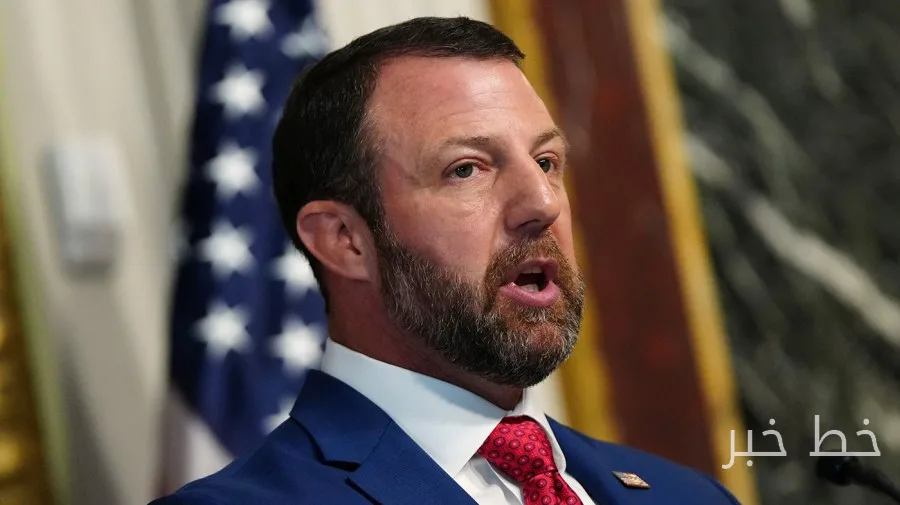
Mark-Win Malin, the U.S. Secretary of Homeland Security, reported on Wednesday about the ongoing evaluation of technologies at the border. These remarks followed the receipt of a military heat ray system from the Pentagon, known as the Active Denial System. This technology is specifically designed for crowd control and prevention of attacks and can be used as a new tool in managing border security.
Details of the Heat Ray System
The Active Denial System is capable of emitting an invisible beam of electromagnetic waves that can harm individuals and deter them from approaching a specific area. This system can be utilized in critical situations, especially at the southern borders of the United States. Malin noted that this technology can act as a non-lethal tool in managing crises and security threats.
Read more: The National Security Agency Warned Organizations About New Vulnerabilities
Implications of Using New Technologies
The use of new systems like heat rays at borders can lead to serious discussions about human rights and crowd management practices. Critics of this technology argue that the use of non-lethal weapons can easily lead to human rights violations. In response to these criticisms, Malin emphasized that the Department of Homeland Security is always seeking effective and legal ways to protect the borders and the security of the country.
According to Malin, the Department of Homeland Security is continuously evaluating new technologies and equipment to improve border security. He also mentioned collaboration with other government agencies to enhance security technologies. This approach reflects the Department of Homeland Security's commitment to utilizing the latest technologies to maintain the country's security.
Future Outlook
The future use of new weapons like the Active Denial System, especially in the context of border security and crisis management, requires careful and responsible examination. The Department of Homeland Security must continuously be aware of the consequences of using these technologies and respect the rule of law and human rights. Given the challenges ahead, new technologies are expected to play a vital role in shaping the future security of the United States.
Read more: Elon Musk Ordered to Reduce Starlink Speed in Ukraine · Border and its New Labor Minister Defended Pension Reforms