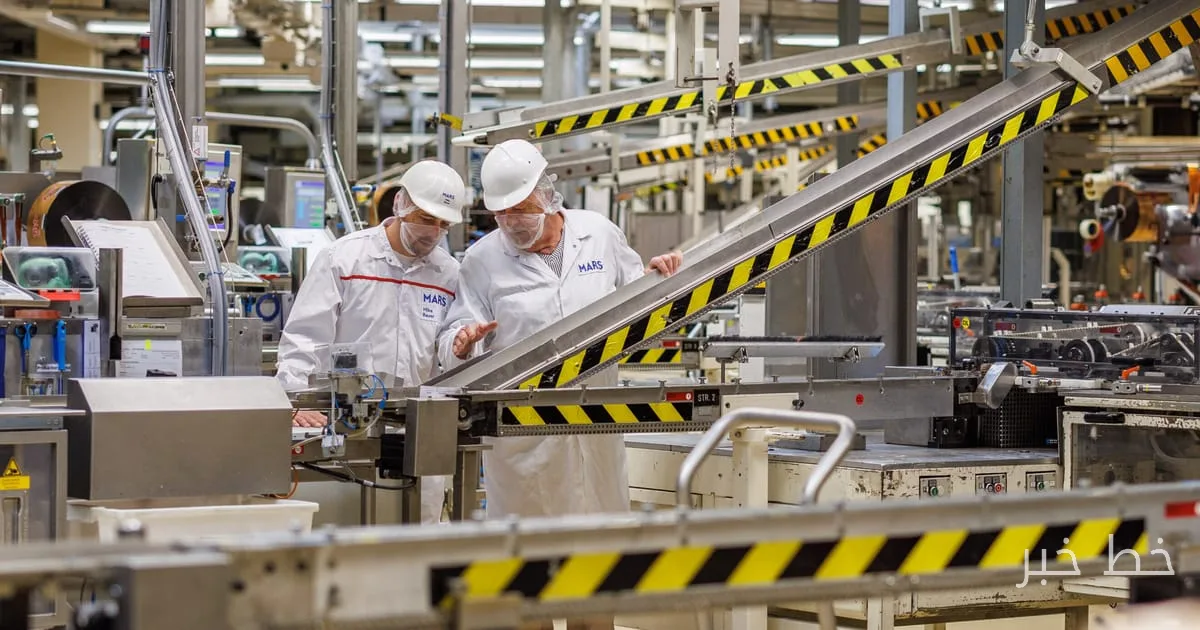
Mars will invest over 235 million euros in its production facilities in Germany between 2021 and 2027. This investment comes at a time when challenges such as energy prices, geopolitical tensions, and labor shortages have impacted Germany's economic competitiveness.
Investment as a Foundation for Growth
Investments play a crucial role in strengthening the economy. They increase production capacities, promote innovation, modernize infrastructure, and preserve jobs. However, to create forward-looking investments, there is a need for companies with a clear understanding of the future and stable political conditions.
Read more: California Rejects Billionaire Wealth Tax Proposal
Focusing on Generations Instead of Short-Term Results
Mars, as a family-owned company, makes its decisions with a focus on generations. The company operates in Germany as an investor and producer and has been present in the country for about 70 years. Germany is not only an important market for the company but also holds significance as a production and innovation hub in Mars's European network.
This ongoing commitment to investment in Germany has been evident in recent years. Of this amount, over 150 million euros have been invested so far, with the remainder planned for future years. These investments are primarily allocated to improving production equipment, new technologies, automation, and sustainable development.
Enhancing Competitiveness and Resilience
Mars's investments are concentrated in two main production sites, namely Viersen and Warden. In Viersen, the production of well-known brands such as Twix and Balisto takes place, while in Warden, pet food brands are produced. These investments not only help improve production processes but also contribute to creating a world-class research center for wet pet food.
Overall, 85 percent of the products sold in Europe are produced within Europe itself. Germany plays a key role in this network and is considered an industrial pillar for production, research, and exports.
Ultimately, having stable conditions for investments is vital. Companies need to ensure access to skilled labor, competitive energy, and regulatory stability for strategic decision-making. These factors help create a strong foundation for attracting investments and maintaining industrial value creation in the country.
Read more: Pressure on the U.S. Government to Resolve Maritime and Economic Crisis · Friedrich Merz to Introduce Ilse Aigner as President of Germany



