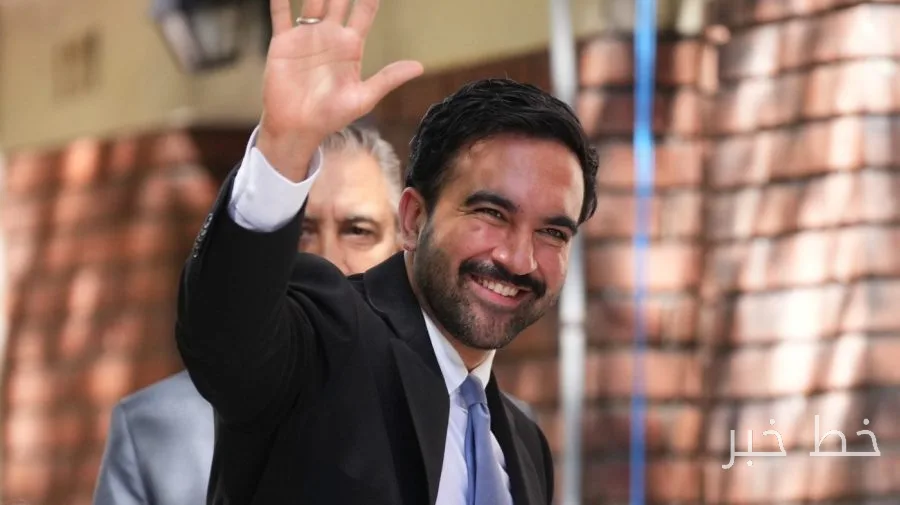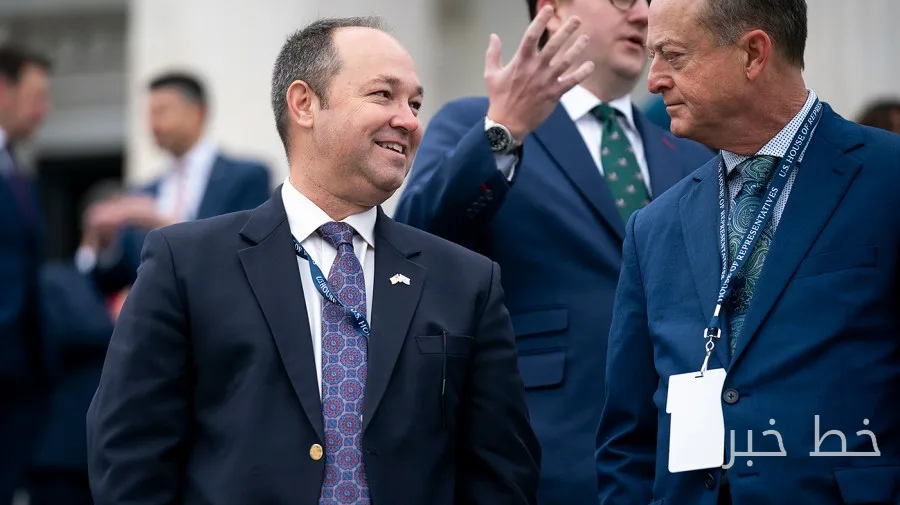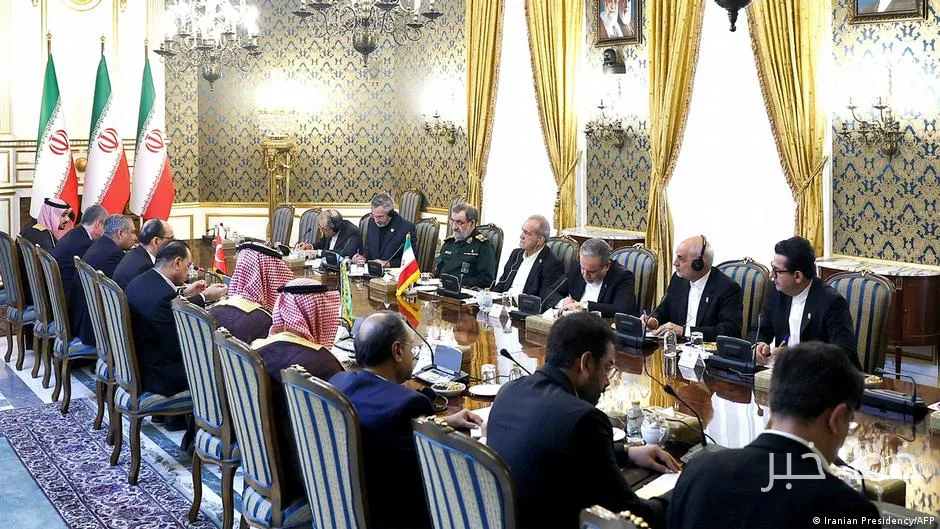
Representatives from Pakistan, Saudi Arabia, and Turkey met in Tehran with Iranian President Ebrahim Raisi and other Iranian officials. This meeting took place on Monday to explore ways to reduce tensions and prevent a return to military escalation. While further details of these negotiations have not been released, the main goal of this visit has been stated as opening channels for negotiation.
Topics of Negotiation
A senior Pakistani official stated that the discussions focused on establishing a regional non-aggression pact. Other topics such as U.S.-Iran negotiations, Houthi attacks on Saudi Arabia, and the situation in the Strait of Hormuz were also on the agenda. The Pakistani representative, Asim Munir, presented a proposal to Iran for resolving disputes, which he claimed would benefit both Washington and Tehran.
Iran has referred to the "very positive" atmosphere surrounding these negotiations, and Mohsen Rezaei, the head of Iran's Supreme National Security Council, stated that he feels a new atmosphere is forming in the region. He also emphasized that regional security must be established by West Asian countries without foreign intervention.
Consequences of the Mecca Agreement
Alongside these developments, the Mecca Agreement, a defense pact between Pakistan, Saudi Arabia, and Turkey, is seen as a show of strength for these allied countries. This agreement allows member countries to consider any attack on one of them as an attack on all. The visit of representatives from these three countries coincides with the Egyptian parliament's decision to provide military assistance to Saudi Arabia, reflecting shared security concerns against Iranian threats.
Saudi Arabia is recognized as Iran's main rival in the region and appears to be using this agreement as a tool to counter Houthi threats and increase its military power. At the same time, analysts believe that this pact is designed more for deterrence than for aggressive warfare, and its members are not seeking war with Iran.
Ali Asghar Shafieian, media advisor to the Iranian president, also emphasized that the representatives of these three countries are not seeking to issue an ultimatum to Tehran but rather want to show greater coordination among themselves and present Iran as part of regional diplomacy. He also added that Iran can continue negotiations while strengthening its military capabilities.