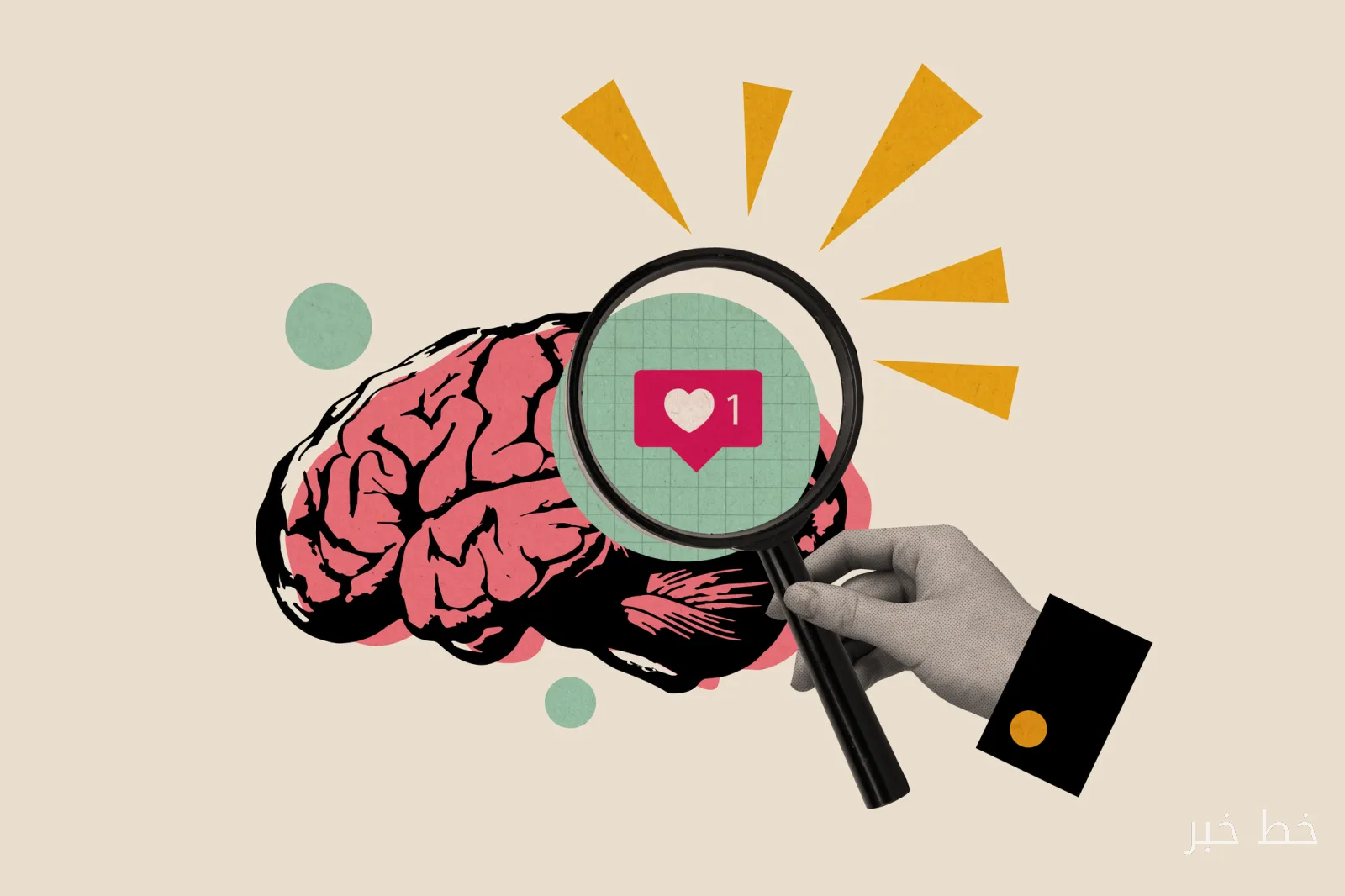
Meta has recently reached an agreement with states that will significantly change Facebook and Instagram for users under 18. One of the major changes is that, by default, users under 18 will no longer be able to see the number of likes and reactions to their posts and those of others. These modifications are designed to support children and teenagers, but their psychological impacts also concern adults.
Social Comparison Process
This action relates to a psychological phenomenon known as "social comparison," where individuals compare themselves to others. Social comparison can lead to positive or negative self-evaluations. The number of likes acts as a form of validation in the digital space that can both empower us and place us in a social ranking. This process shows us that others approve of our posts and displays this approval numerically.
Read more: The U.S. government has passed a new law to prevent the import of prescription drugs
We know how the social validation we receive compares to our expectations, and this social validation is quantified numerically. Social comparison has significantly increased, especially in today's world where communications are digital. In the past, social comparison was limited to specific situations, such as seeing classmates at a reunion that happened only once in a lifetime. However, now, thanks to social media, these comparisons are easily accessible.
Positive and Negative Effects of Social Comparison
From an evolutionary perspective, social comparison may have served an adaptive purpose. Humans have evolved in social groups, and knowing our position relative to others can help us identify appropriate behaviors. However, with technological advancements and social changes, social comparison has drastically changed, and we can now easily access a wealth of information to compare ourselves with others.
Studies have shown that social comparison can have negative effects on mental health. Individuals who frequently engage in upward comparisons often experience a decrease in their self-evaluations and a drop in self-esteem. Additionally, these comparisons can be associated with symptoms of anger, anxiety, and depression.
While hiding the number of likes may not completely eliminate social comparison, it can remove one metric of comparison from the field. Even if we still feel dissatisfaction compared to others, the difference between the question "Where do I stand?" and the number that answers this question is very significant.
Social media is not just a platform for social comparison; it has created an environment for this ancient instinct of ours. Ultimately, a change in our relationship with social comparison requires a change in our values and understanding of ourselves and others.
Read more: Approval of a new treatment for rectal cancer patients named Dostarlimab · Research shows that banning social media cannot protect the mental health of young people