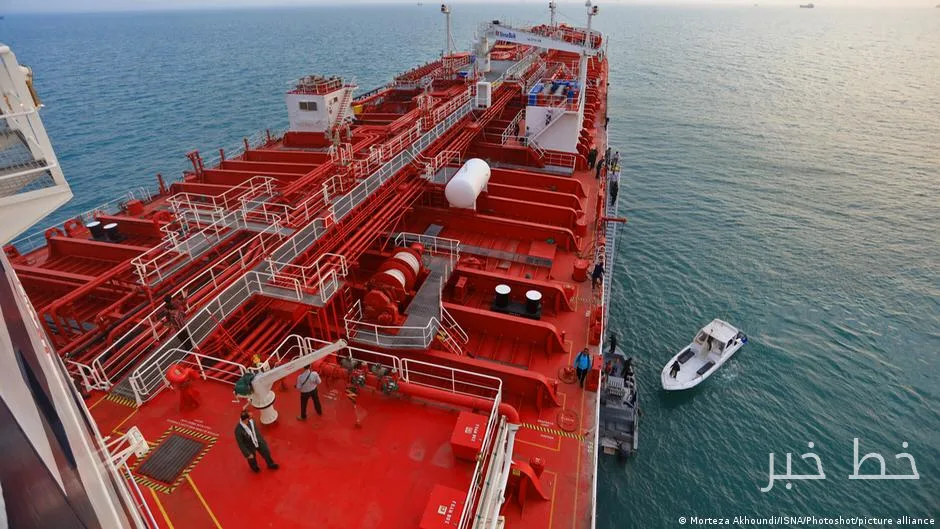
Middle East crude oil exports, excluding Iran, returned to a level higher than the pre-Iran war average by late September. This increase occurred while attacks on ships in the Strait of Hormuz are still ongoing. Data provided by a trade information company shows that exports in four days of the last week of September exceeded the pre-war average by about 18 million barrels per day (bpd), reaching between 19.5 million and 22.5 million barrels per day.
Sharp Decline in Exports Following War Outbreak
After the closure of the Strait of Hormuz following the outbreak of the Iran war, the average non-Iranian crude oil exports from the region dropped by 72% over a span of 10 days. However, the recovery trend in exports depends on the use of alternative routes and ship-to-ship transfers. In September, about 40% of crude oil left the Persian Gulf without passing through the Strait of Hormuz, while this figure was only 17% before the war.
Read more: Mili gave Britain two weeks to halt the Falkland oil project
Increase in Exports from Saudi Arabia and the UAE
According to reports, over 70% of crude oil was transferred from ship to ship off the coast of Oman in August. This is while almost no oil was transferred in this area before the war. Additionally, Saudi Arabia has increased its exports through the Red Sea, and the United Arab Emirates has utilized its pipeline to Fujairah.
Iran remains the largest exception in this regard, as the country's exports are still significantly lower than the pre-war average, primarily due to U.S. policies. Meanwhile, attacks on ships around the Strait of Hormuz continue, with at least seven incidents reported in recent weeks.
On October 1, a tanker named Kazima III was reportedly affected by an unknown project, and all crew members were safely evacuated.
Read more: African leaders unveiled Dangote's $16 billion oil refinery in Kenya · Trump rejected Iran's proposal to halt military operations