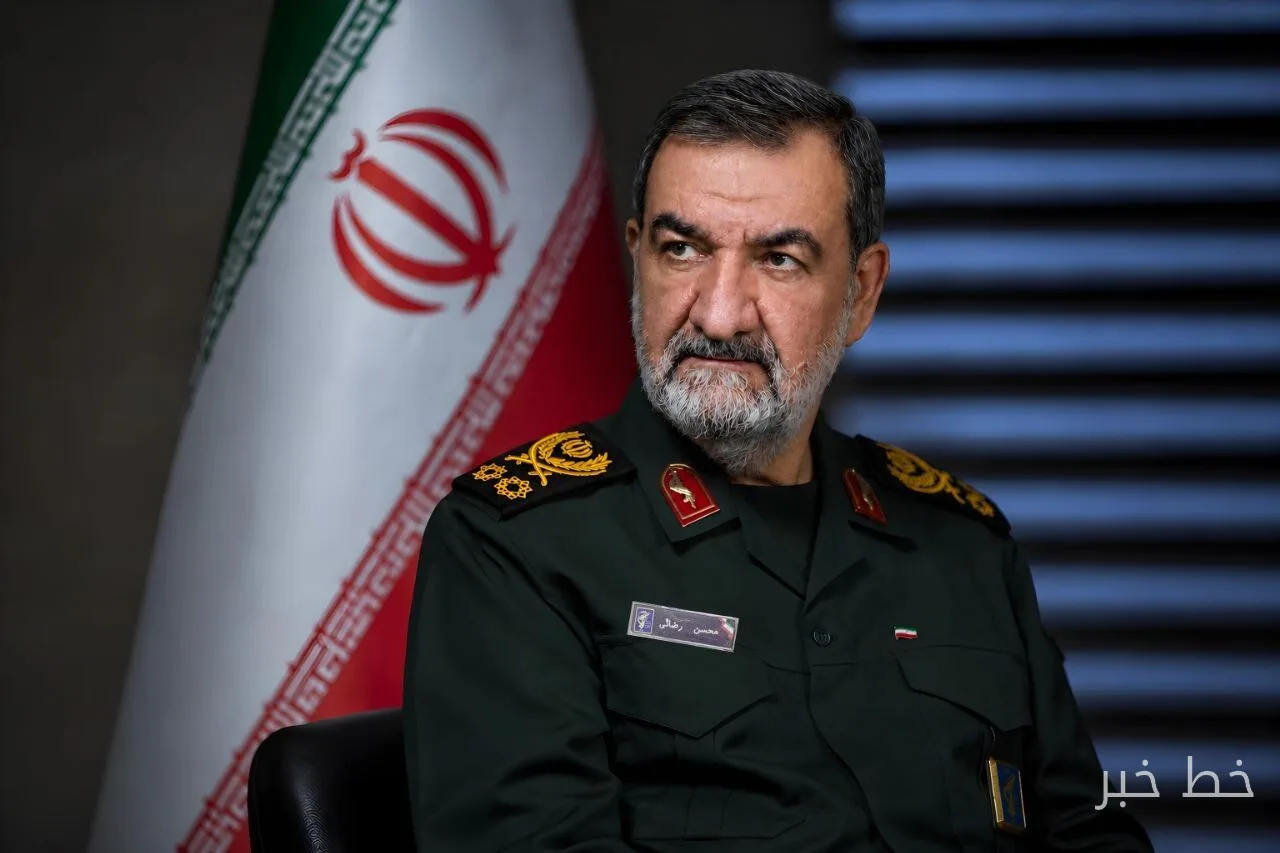
Mohsen Rezaei, Secretary of the Supreme National Security Council, stated that everyone should know that actions against Iran have costs, emphasizing that if diplomacy has managed to create such conditions, Iran prefers diplomacy. He also added that Iran has the necessary tools to continue responding to threats.
Management of the Strait of Hormuz and Regional Security
Rezaei, in an interview with the Drop site, stated that the management of the Strait of Hormuz is a national asset for Iran, and it is not just about collecting tolls, but the main issue is security. He mentioned that compensation can be received for security costs, insurance, and the environment, but the importance of managing the strait goes beyond the income derived from it. Iran will continue this management to maintain peace and security in the region.
Read more: Midterm Elections: Voters Decide on Education for Children
Iran's New Conditions for Diplomacy
He further stated that Iran will not return to past diplomacy, but will not abandon diplomacy either. Rezaei announced that Iran has presented seven new conditions through intermediaries for reopening the Strait of Hormuz, and as long as these conditions are not met, Iran will neither reopen the strait nor return to negotiations.
He added that the first memorandum failed due to mistakes in the order of commitment execution, and this time Iran will incorporate guarantees into the structure of the agreement. Rezaei emphasized that if Washington fulfills its commitments, a path will be created for reopening the Strait of Hormuz and continuing diplomacy.
Dialogue with Gulf Cooperation Council Countries
In response to a question about security arrangements with Gulf Cooperation Council countries, Rezaei stated that the security of the Persian Gulf cannot be completely entrusted to external powers. He emphasized that Iran and the GCC countries must discuss new security arrangements to prevent the Persian Gulf from becoming a scene of confrontation.
He also commented on Iran's role in the Ansar Allah operations in Yemen, stating that Ansar Allah is not an Iranian military unit, and decision-making regarding Yemen pertains to the Yemenis themselves. Rezaei emphasized that Iran is responsible for its decisions in the Strait of Hormuz, and Ansar Allah is responsible for its decisions in Bab al-Mandab.
In conclusion, Rezaei referred to Iran's ability to continue missile and drone operations, stating that this capability has never been concentrated in one location, and Iran has invested for years to create redundancy in this capability.
Read more: Hubertus Heil to be Introduced as the New SPD Leader · Shooting in the Suburbs of Paris Leaves One Dead