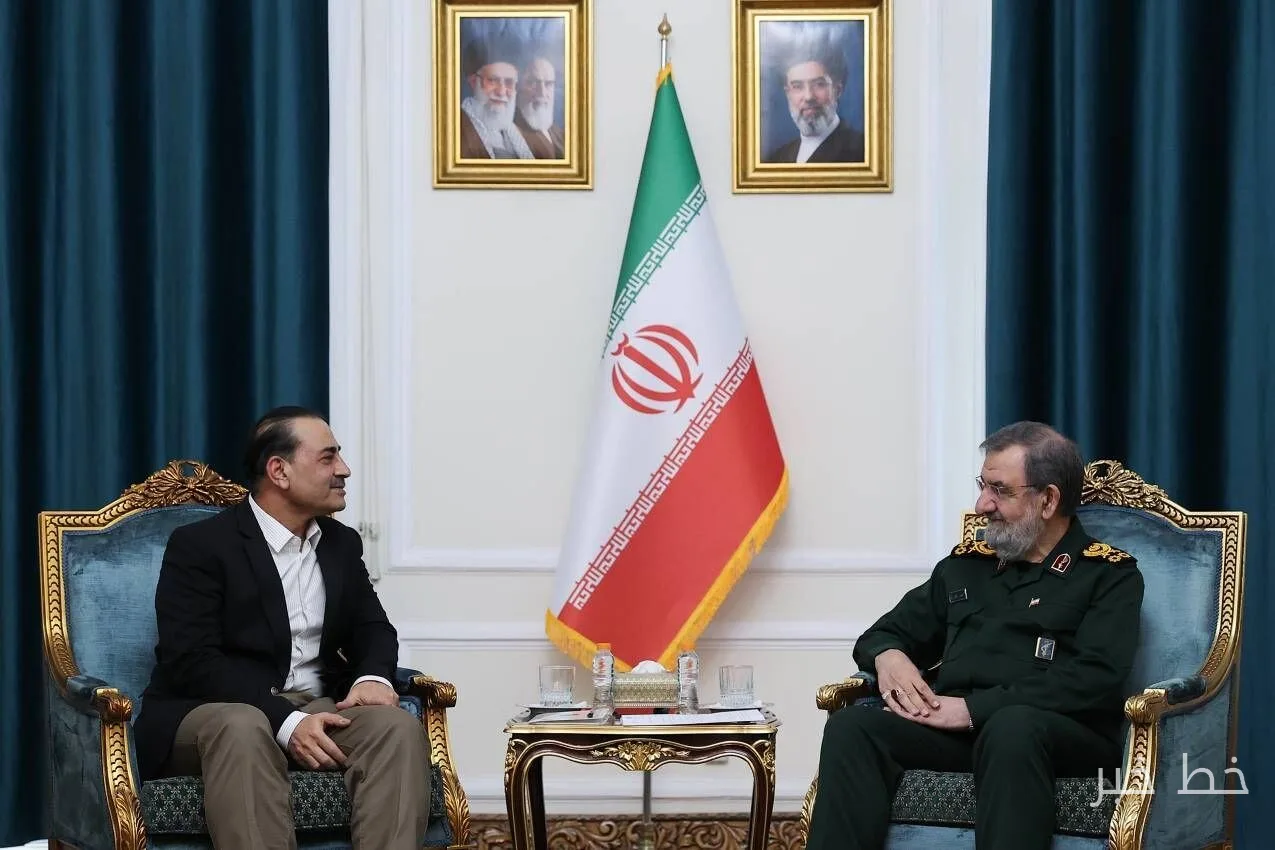
Mohsen Rezaei, Secretary of the Supreme National Security Council, recently warned about the costs of any military adventure against Iran. He emphasized that the Islamic Republic of Iran is prepared for various scenarios and does not see the path of diplomacy as closed.
Costs of Military Action and Iran's Readiness
Rezaei mentioned in an interview that "everyone should know that actions against Iran have costs." This stance sends a clear message about the security calculations of the Islamic Republic of Iran. He emphasized that if diplomacy can create conditions that eliminate threats, Iran prefers diplomacy. However, in the event of continued war, it has the necessary tools to respond.
Read more: Governors have the opportunity to improve civic education
The Secretary of the Supreme National Security Council also referred to the valuable assets of the United States in the region and stated that the vulnerability of the infrastructure and strategic interests of the opposing side should be taken into account. These statements are assessed as a warning about the costs of a new conflict.
The Line Between Diplomacy and Confidence-Building
Rezaei emphasized that "we will not return to past diplomacy, but we will not abandon diplomacy either." This statement reflects the line between the principle of negotiation and the previous form of confidence-building. He stresses that any agreement must be structured in a way that the commitments of the parties are clear and measurable.
Past experiences show that diplomacy is effective when it is not limited to merely signing a document. Therefore, verification mechanisms and enforcement guarantees must be considered to reduce the gap between agreement on paper and practical commitment.
Deterrence and Defensive Readiness
To better understand Rezaei's statements, a distinction must be made between defensive readiness and effective deterrence. Defensive readiness means the ability to counter threats and reduce vulnerability, while deterrence means that the opposing side seriously assesses the costs and consequences before taking military action.
Rezaei emphasized that any military calculation against Iran cannot merely be an estimate of initial damages and must consider all dimensions, including the likelihood of escalation and economic and security costs. Therefore, defensive power must influence the calculations of decision-makers on the opposing side.
Read more: Hubertus Heil is introduced as the new SPD leader · Negotiations between Iran and the United States are underway with the mediation of regional countries