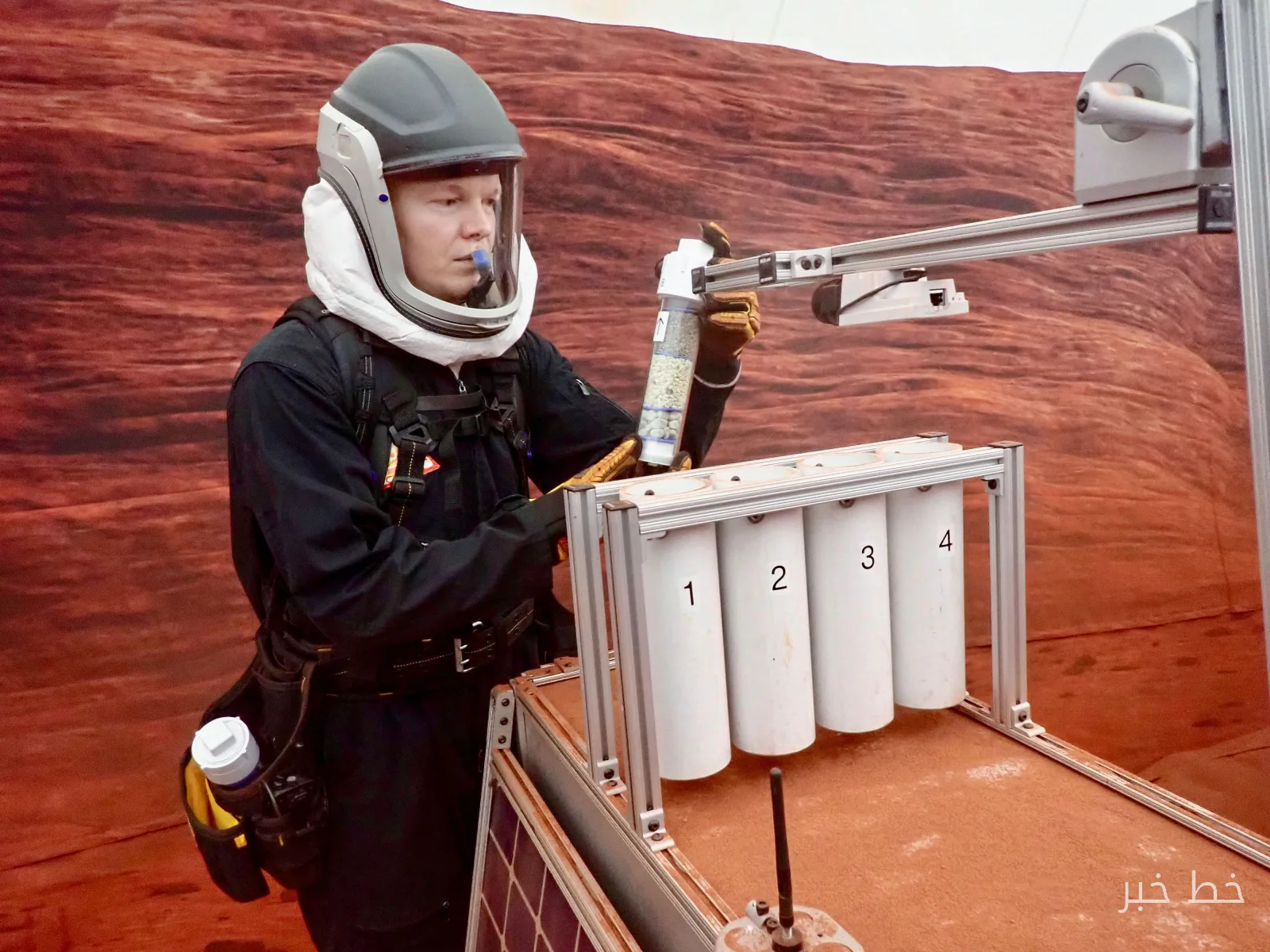
NASA has completed a 378-day simulation of life in a Martian habitat at the Johnson Space Center in Houston. This experiment, titled CHAPEA (Crew Health and Performance Exploration Analog), kept four astronauts in a 1,700 square foot space for a year under conditions similar to living on Mars.
Living Conditions in the Martian Habitat
The astronauts faced challenges such as communication delays during this simulation. Communications with Earth can range from 34 million to 250 million miles away, and sending a message can take up to 23 minutes. According to Ross Elder, the commander of this simulation, sending an emoji could add another four minutes to the transmission time.
Read more: Republicans' Doubts About Technology Failures in America
The astronauts lived in this habitat with four private bedrooms, two bathrooms, a scientific testing area, and a corner for exercise. The goal of this program was to best simulate the conditions of a trip to Mars, including workload and travel duration. In the future, astronauts will spend six months traveling to the Red Planet and then one month on its surface.
Experiments and Activities
During the simulation, the astronauts conducted physical and psychological tests, studied water conservation protocols, and analyzed the DNA of microbial communities. They also participated in simulated outdoor activities and practiced walking on Mars using virtual reality headsets.
Life in this habitat was not limited to hardships. The astronauts could enjoy puzzles and a collection of their favorite movies. Elder mentioned his interest in films, saying, "I brought a large collection of movies with me."
While the astronauts lived together in a small space during this simulation, Elder referred to a program that was held to boost group morale and interpersonal skills. This program helped them get to know each other and build better relationships.
Read more: Bob Inglis Calls on the United States to Lead Global Electrification · NASA Telescope Returns to Earth's Atmosphere