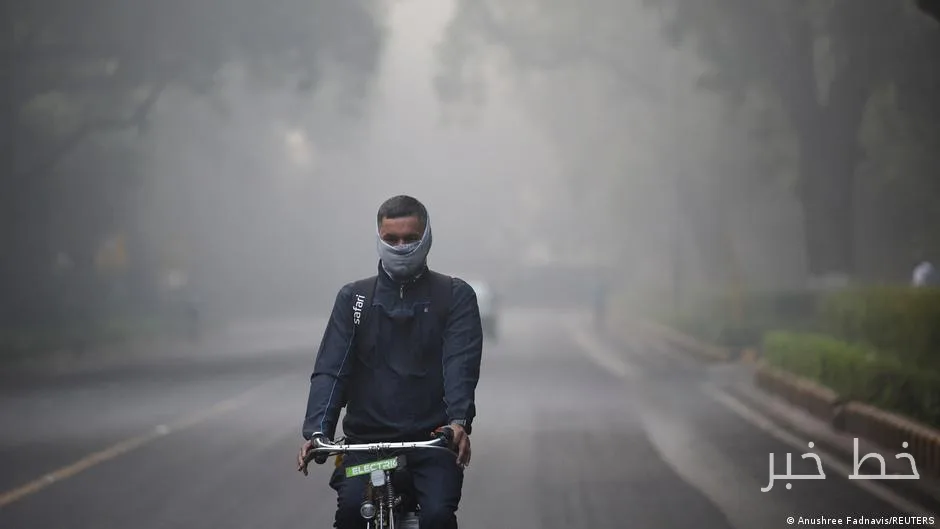
Nepal, as the first country, has received $21.6 million from the United Nations' loss and damage fund to compensate for damages caused by climate change. This financial aid will help Nepal escape the disastrous consequences of floods and climate changes that increasingly threaten the lives of the people in this country.
Impacts of Climate Change in the Himalayas
The people of the Himalayas have adapted to climate changes for centuries and have utilized traditional methods for managing water resources. However, due to rapid global warming and the melting of glaciers, many of these communities have been severely affected. According to statistics, the Himalayas are losing their ice mass 65 percent faster than a decade ago, and it is predicted that by 2100, 80 percent of the ice mass in this region will be gone.
Strategies to Address the Water Crisis
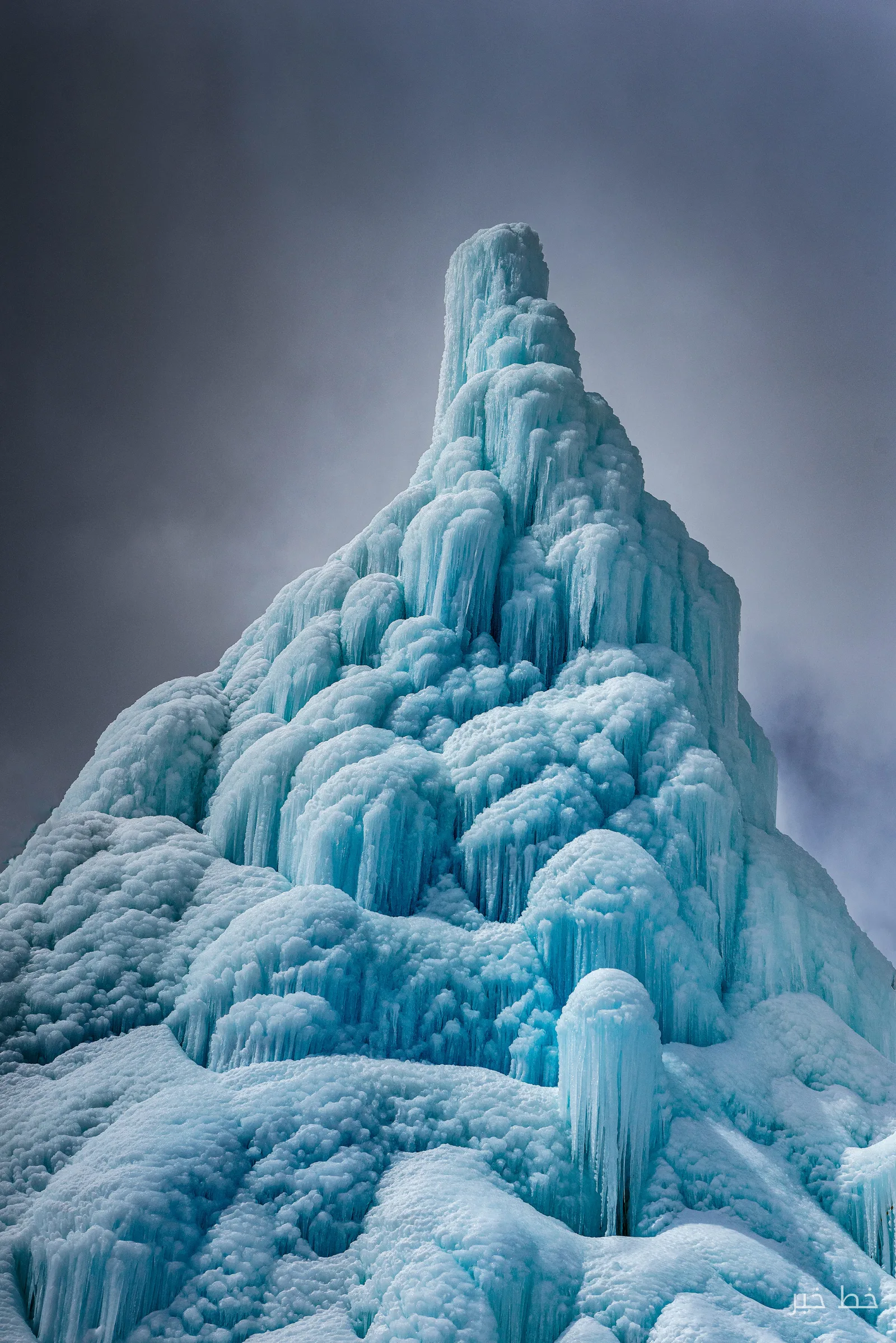
In response to this crisis, Himalayan communities have turned to reviving old water systems and constructing artificial glaciers. They use traditional underground networks to direct water to stone springs so that it can be utilized during the dry season. These measures help preserve water resources and make communities more resilient to climate fluctuations.
The director of the Nepal Water Conservation Foundation, Nirmal Dahal, emphasizes that "climate change has caused Himalayan communities to become disconnected from nature, which is by no means their fault." He points to local efforts to revive water infrastructure and create new agreements for water use.
For example, in the Limy Valley of Nepal, families are facing new challenges. Storms and floods have severely impacted their lives, and many of their livelihoods, including livestock, have been lost. In these conditions, communities are striving to better manage water resources using traditional knowledge and modern technologies to prevent future crises.
Read more: Catching a Caiman in Oklahoma After Months of Wandering