In 2014, a film about a selfish and arrogant inventor trying to create "a device to solve every problem" was released. This film addresses the creation of a powerful technology that allows a group of military leaders to unilaterally determine the life and death of thousands.
From the perspective of 2026, this story seems disturbingly relevant. However, "The Imitation Game" actually refers to the pivotal role of Alan Turing in decrypting German intelligence messages on the path to victory in World War II. This film won an Oscar and gained significant popularity at the box office, serving as an example of Obama's technology-focused films that address resilient individuals and their efforts to create forward-thinking technologies.
Changing Approach of New Films
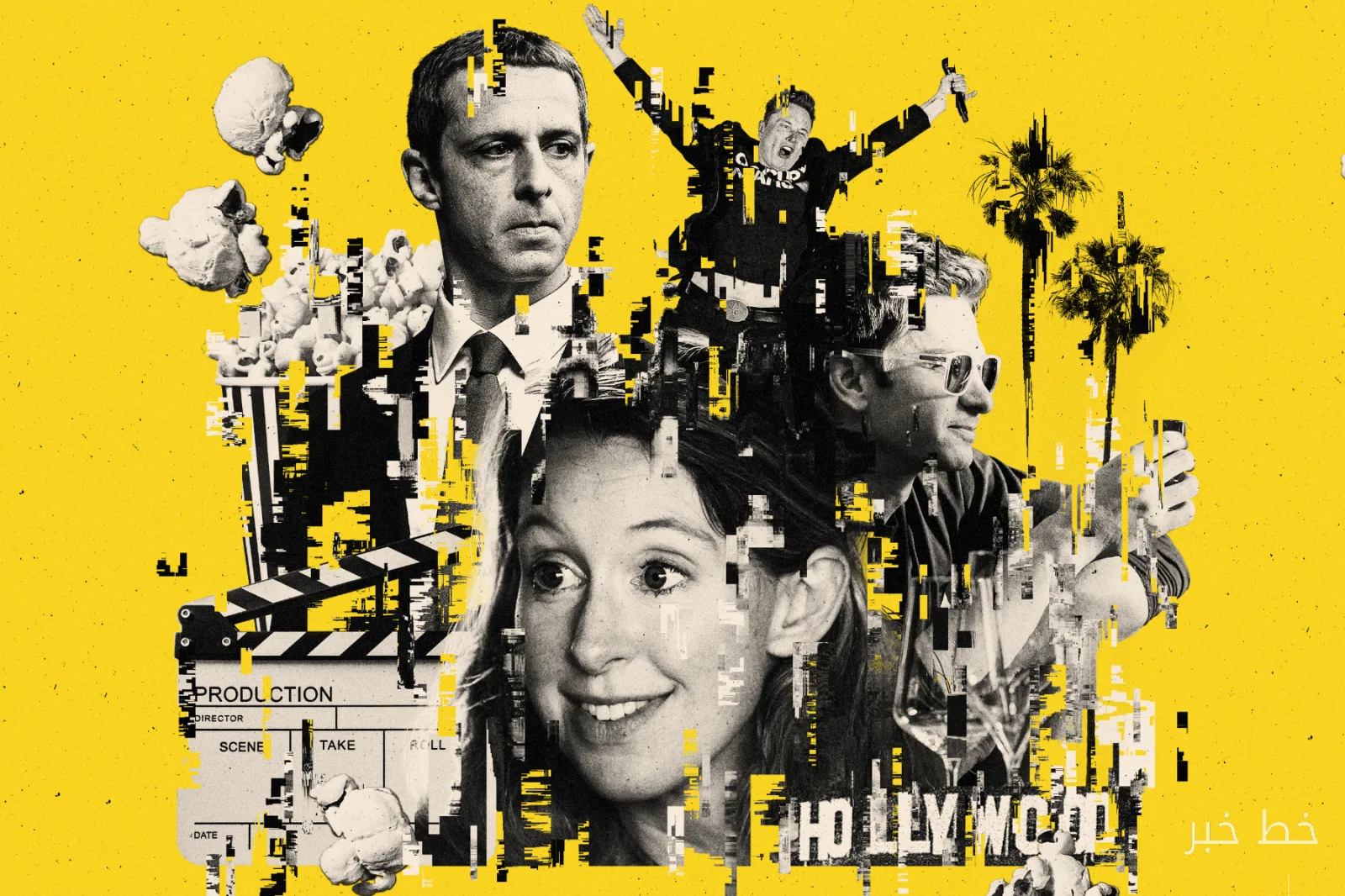
But now the situation has changed. This fall, a new set of films will be released that clearly reject that theory and judge the past decade in technology. In the eyes of these films, technology giants have used their power to exacerbate violent extremism (Mark Zuckerberg in "The Social Dilemma"), undermine democratic norms (Elon Musk in "Musk"), deceive the public (Elizabeth Holmes in "You Can See Everything"), and toy with the future of humanity (Sam Altman in "Artificial").
In some cases, these films take a step towards social activism. In "The Social Dilemma," the heroes trying to hold Zuckerberg accountable claim that the only way to change the behavior of powerful individuals is to "create pain." Hollywood can indeed create pain: technology companies have invested billions to make artificial intelligence one of the cornerstones of society, and they will face a financial crisis if their tools are rejected by the public.
Diverse and Critical Narratives
However, the critical tone of these films may lead to self-harm, as Hollywood is largely controlled by a few billionaires who have heavily invested in artificial intelligence and are building AI tools that could replace artists. They have also begun to push back against these films. Musk threatened to sue the director of "Musk," Alex Gibney, for defamation, and in June, Amazon's film division suddenly removed "Artificial" from its list; the company has invested $50 billion in Altman's "OpenAI." Time will tell whether these films can strike a blow against technology giants or represent the last resistance of a creative class indebted to their masters.
These films are all significantly different in their storytelling approach. Gibney's documentary "Musk" systematically and over four hours addresses the corporate issues of the Tesla founder; while the drama "The Social Dilemma" focuses on the increasing personal despair of Frances Haugen (played by Mikey Madison), who ultimately becomes a whistleblower for Facebook. "You Can See Everything" somewhat resembles a psychological chess match between Elizabeth Holmes and filmmakers Nathan Fielder and Lance Oppenheim, who hope to challenge her contradictions.
All these films revolve around a central question: why are these flawed giants the way they are? In 1941, Orson Welles' "Citizen Kane" established the Hollywood character archetype. In this film, Susan's ambition as an anti-hero returns to her moments of emotional pain. "The Imitation Game" and "The Social Network," two prominent technology films of the 2010s, follow this tradition and portray Turing and Zuckerberg as characters with painful pasts. These frames somewhat justify their harmful behaviors, as if to say that technological geniuses are also hurt and then react like the rest of us.
However, this new set of films generally reaches the opposite conclusion: these technology giants have charted a misguided path for humanity due to how differently and insensitively they think. In the 2000s, Peter Thiel and other members of what is known as the "PayPal Mafia" concluded that the path to success in Silicon Valley requires pursuing limitless speed and scale. This guide advises founders to put all their capital into a corporate vision and sell it to the public even if part of it is wrong.
This approach has created some of the largest companies in the world. But these films claim that it has also institutionalized failure, deception, and collateral damage in the process. Instead of striving to heroically solve issues, like combating the Nazis, the main goal of these technology heroes seems to be to attract and monetize users at any cost.
These new films grapple with this psychological shift, and Zuckerberg's image in "The Social Network" (2010) has changed to that of Zuckerberg in "The Social Dilemma." This time, Zuckerberg is portrayed as a robotic and ruthless individual who makes decisions based on cold analysis and financial calculations. In "Artificial," Andrew Garfield plays Sam Altman, depicted as a serial liar willing to say anything to advance his mission. These individuals are no longer seen as anti-heroes but as villains with self-serving worldviews that may not align with democracy.
These worldviews carry greater risks as they shift their focus from social media to artificial intelligence. A film that directly addresses the current harms of artificial intelligence is the documentary "NASA," filmed in Tel Aviv by two Oscar-winning Israeli directors. In this film, anonymous Israeli officers describe how AI tools have aided in mass surveillance and bombing in Gaza, allowing them to envision war as a video game.
Read more: Nvidia CEO should have done better