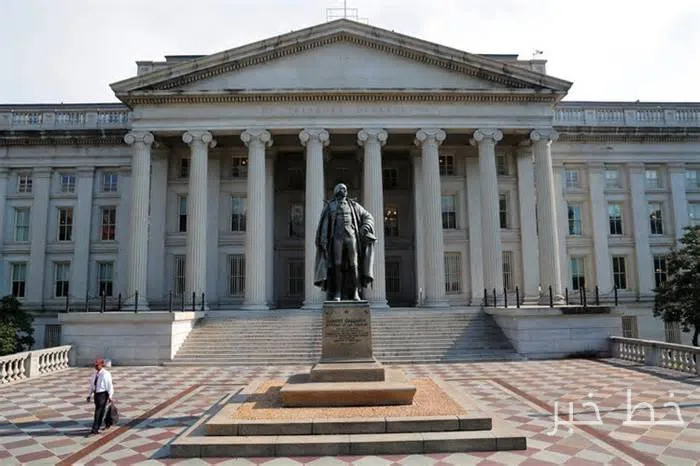
The U.S. Department of the Treasury announced on Monday evening that it has imposed new sanctions against Iran. These sanctions target dozens of individuals and entities and appear to be aimed at exerting pressure on Tehran in various economic and political areas.
Scope of the Sanctions
The new sanctions specifically seek to target individuals and entities involved in Iran's economic and military activities. This action comes as tensions between Iran and the United States continue due to the nuclear program and other regional issues.
The U.S. Department of the Treasury emphasized in a statement that the goal of these sanctions is to prevent the financing of activities related to global security threats. These sanctions may particularly impact companies related to Iran's oil and gas sector, subsequently putting more pressure on the country's oil exports.
Economic Consequences
The new U.S. sanctions could have serious repercussions for Iran's economy. These sanctions will specifically affect financial and trade transactions and may lead to a further decline in the value of the rial. Additionally, pressure on foreign companies cooperating with Iran will increase, resulting in a decrease in foreign investments in the country.
These sanctions are being imposed while negotiations over Iran's nuclear program with the 1+5 group are still ongoing, and the likelihood of a final agreement remains uncertain. Meanwhile, Iran is also seeking new ways to circumvent the sanctions and increase its oil exports.
Overall, the new U.S. sanctions against Iran reflect Washington's continued hardline policies towards Tehran and could lead to increased tensions in the region. The future of Iran-U.S. relations will be significantly influenced by these sanctions, potentially paving the way for major changes in the two countries' overarching policies.



