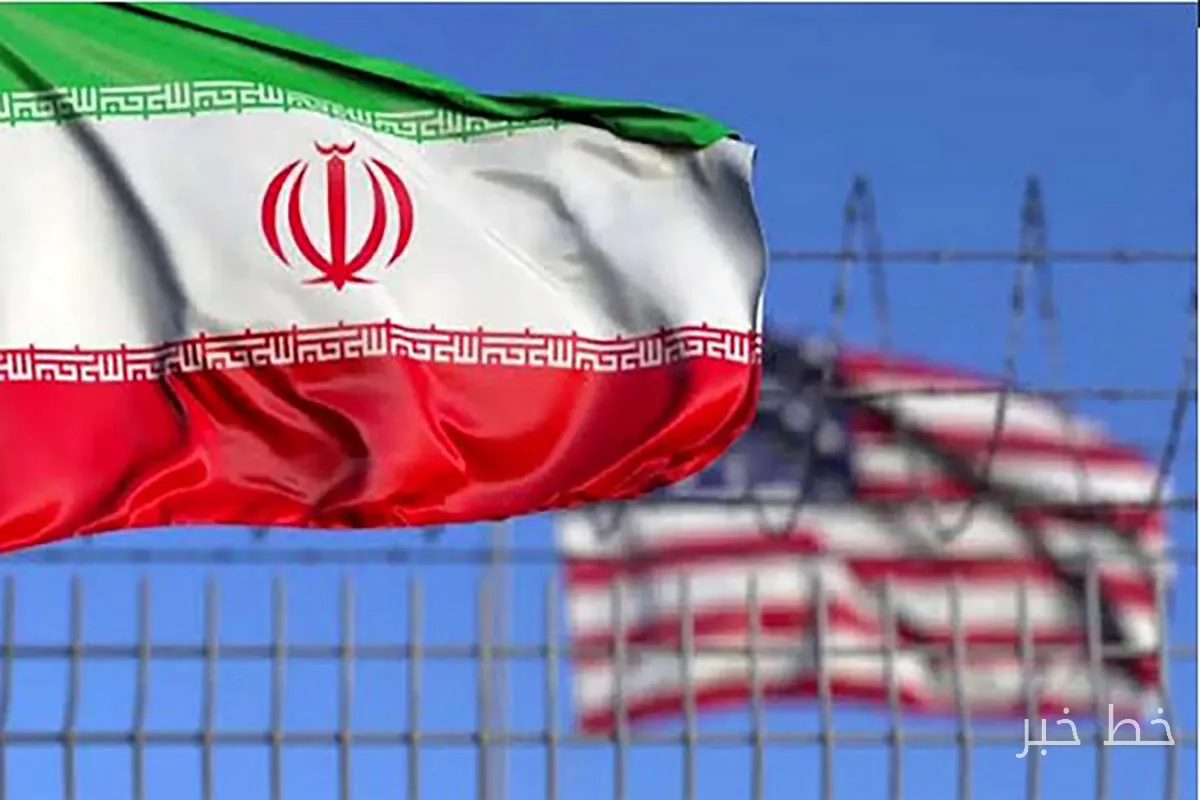
In recent years, Iran's economy has created a complex and costly network of financial and trade relations to survive under sanctions. When direct connections between Iranian banks and the international financial system were severed, currency exchanges, intermediary companies, and a range of economic actors based in other countries took on some of the banking network's responsibilities. Although this network increased the costs of Iran's economic transactions, it enabled the sale of oil, the export of industrial products, and the import of essential goods for the country.
Impact of Sanctions on Iran's Economy
It now seems that the U.S. government is seeking to limit this very mechanism. The latest round of U.S. sanctions is significant in that it targets Iran's foreign trade financial infrastructure more than ever before. While previous periods focused on limiting oil exports, there is now a more serious pursuit of restricting access to export revenues. In other words, even if Iran's economy can still sell goods and oil, access to the revenues from those sales may become more difficult than before.
Read more: Bulgaria Faces a 23 Million Euro Fine from the European Union
Increased Transaction Costs and Pressure on the Currency Market
On Monday, November 23, 2026, the U.S. Treasury Department targeted a number of individuals and entities linked to Iran's financial network with sanctions. Among the sanctioned entities are the Iran Currency and Gold Exchange Center, Mellat Exchange, and several trading companies and financial intermediaries operating inside and outside the country. This action is part of a campaign that the U.S. Treasury Department refers to as "economic ostracism." As a result, even if the volume of the country's foreign trade remains stable, net export revenues decrease, and the cost of imports increases.
The sanctioning of the Iran Currency and Gold Exchange Center is particularly significant. This center is considered one of the components of the mechanism for regulating the currency market and allocating foreign currency resources to importers. However, the potential effects of simultaneously sanctioning exchanges and foreign intermediaries on access to foreign currency resources cannot be overlooked. The first potential effect of the new sanctions is an increase in transaction costs. Iranian businesses have already incurred higher costs for conducting foreign transactions compared to their regional competitors.
The second effect of the sanctions is increased pressure on the currency market. The currency market does not merely react to the current supply and demand but also reflects a picture of future supply and demand in current prices. This, in turn, can lead to an increase in exchange rates and intensify inflationary pressures. In such circumstances, policymakers will face greater difficulties in controlling inflation.
Read more: Greg Stanton Discussed the Economic Situation of Ukraine in Berlin · New Statistics Show Remote Workers are Surviving



