Nigeria is recognized as a drug production hub, and this issue brings serious concerns about the increase in drug production and consumption in Africa. In the past, the African continent was mostly seen as a transit point for international drug trafficking networks, but now the situation is rapidly changing.
Increase in Drug Production in Africa
The discovery of methamphetamine laboratories in Nigeria, South Africa, Kenya, and Mozambique shows that illegal drugs are not only passing through these countries but are increasingly being produced there. According to the United Nations Office on Drugs and Crime (UNODC), the production of synthetic drugs increasingly involves transnational crime networks and clandestine laboratories capable of meeting local needs and international markets.
Read more: Andy Burnham is working to prevent the slavery compensation crisis
Discussion on this topic intensified this year with the discovery of the largest methamphetamine laboratory in Nigeria. The National Drug Law Enforcement Agency (NDLEA) arrested 10 suspects during an operation in Ogun State, three of whom were Mexican nationals who had entered the country to assist in methamphetamine production.
Social and Health Consequences of Drug Production
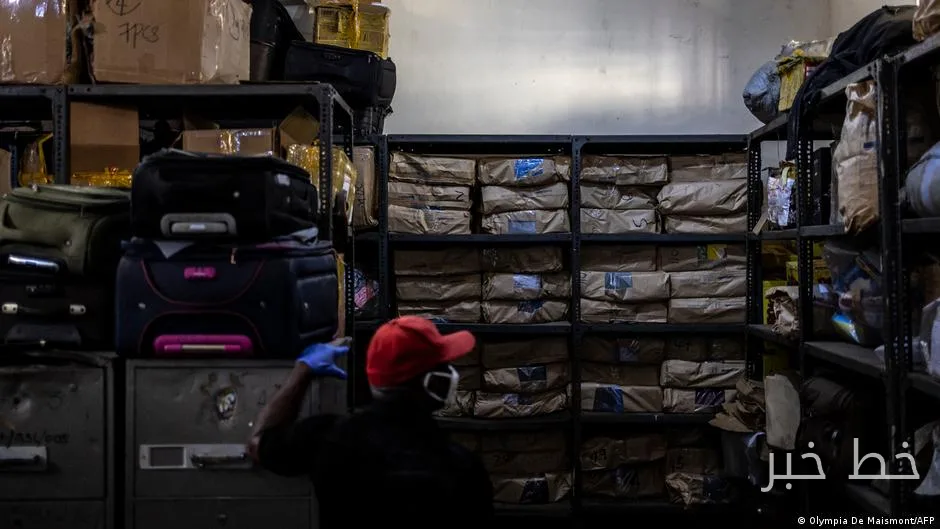
NDLEA Chairman, Muhammad Buba Marwa, announced that agents seized over 2.4 tons of methamphetamine and precursor chemicals valued at approximately $363 million. The scale of this operation has garnered widespread attention in Nigeria. Elisa Chukwuma, a DW reporter, stated, "This is no longer something you only see in movies. The discovery of this laboratory raises serious questions about the level of local consumption in Nigeria."
Dakun Adediji, co-founder of the Caring Initiative, noted that the drug landscape in Nigeria has significantly changed over the past decade. He explained, "We used to think we were just a transit country. Then we became a consuming country. Now we have realized that we are also a producing country." He added that officials have discovered dozens of smaller laboratories producing methamphetamine in several states in recent years.
According to UNODC, the increase in local drug consumption and the expansion of illegal markets have coincided with the growth of synthetic drug production in West Africa. Adediji pointed to the destructive effects of drug laboratories, stating that substance abuse leads to school dropouts, family breakdowns, mental health challenges, and increased criminal activities. Many families are seeking help due to social stigma and fear of public judgment.
Statistics show that young people are increasingly affected by substance use disorders, with 34% of those receiving treatment for these disorders in Africa being under 25 years old. In addition to traditional drugs like cannabis, users are increasingly turning to synthetic substances like methamphetamine, known on the streets as "ice."
The National Drug Law Enforcement Agency of Nigeria has increased its efforts to combat this crisis in recent years, leading to significant discoveries and arrests. Non-governmental organizations have also been active in this area, conducting awareness campaigns especially in universities.
Chukwuma emphasized that there are still no coordinated and overarching policies, and most awareness efforts are carried out by civil society groups. Adediji also pointed out that punitive-based policies often drive users underground, making it more difficult for authorities and healthcare providers to identify and support those struggling with addiction.
UNODC and civil society groups are seeking a broader response that goes beyond law enforcement. Among the proposed recommendations are strengthening national policies on substance abuse, expanding rehabilitation services, implementing addiction prevention programs in workplace settings, and increasing regional cooperation in West Africa.
Read more: Experts report technical issues in elections in North Carolina, Massachusetts, and New York · Taiwan and its allies discuss geopolitical questions in Asia