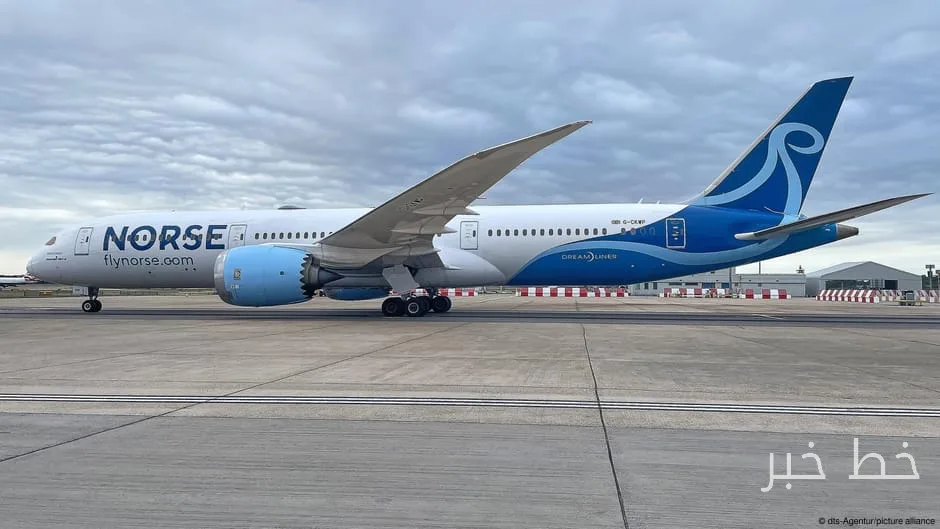
Norse Atlantic Airlines, a Norwegian low-cost carrier, announced on Friday that its operating unit has been declared bankrupt. This decision was made after the company described its financial situation as "critical" on Wednesday and suspended all flights the following day, stating it was seeking emergency funding to avoid bankruptcy.
Reasons for Bankruptcy and Economic Pressure
Like many commercial airlines, Norse Atlantic has been severely affected by the high jet fuel prices in 2026, primarily linked to the war in Iran and the resulting tensions in the Middle East. The company announced early on Friday that its lessors had canceled lease agreements for all 12 aircraft in its fleet and demanded their return. Initially, Norse stated it intended to challenge this claim, but quickly thereafter announced a plan for bankruptcy.
Read more: German Parliament Votes on €556 Billion Budget for 2027
Management Decisions and Efforts to Continue Operations
Eyvind Reald, CEO of Norse Atlantic, stated in a statement: "The board of Norse Atlantic Airlines AS has made the difficult decision to declare bankruptcy, despite extensive efforts by the company and the group to find a solution." Other affiliated companies in the group, such as the parent company Norse Atlantic ASA, which is publicly listed, and the Norse Atlantic branch in the UK, are not part of this bankruptcy declaration and continue to seek to operate.
Reald added: "The board, management, and advisors of the publicly listed Norse Atlantic ASA and the UK branch are working to find a solution for the remaining business so they can continue their operations." The company announced on Thursday that if funding could not be secured, it intended to file for bankruptcy and warned: "There is no guarantee that a viable solution will be found."
Norse Atlantic, which was established only five years ago and is based in Arendal, Norway, had a fleet of 12 aircraft and served 14 different destinations. The company recorded a net loss of $61.9 million (€56.5 million) in 2025, even before the economic pressure from the war in Iran added to it.
Small and low-cost airlines are particularly struggling, but the airline industry as a whole is facing severe issues due to pressure on global fuel delivery caused by conflicts in the Gulf. In early 2026, with the onset of U.S. attacks on Iran and reduced traffic through the Strait of Hormuz, jet fuel prices surged rapidly, more than doubling at their peak. This increase was even greater than during the aftermath of Russia's full-scale invasion of Ukraine in 2022. Although prices fell in mid-summer due to hopes for conflict resolution, they rose again, creating a deadlock.
This situation marks the worst crisis for the airline industry since the sharp decline in air traffic in 2020 due to the COVID-19 pandemic, a situation many companies are still struggling to recover from.
Read more: Tensions in Coalition Due to Pension Reforms · Final Review of the 2027 Budget in the German Bundestag



