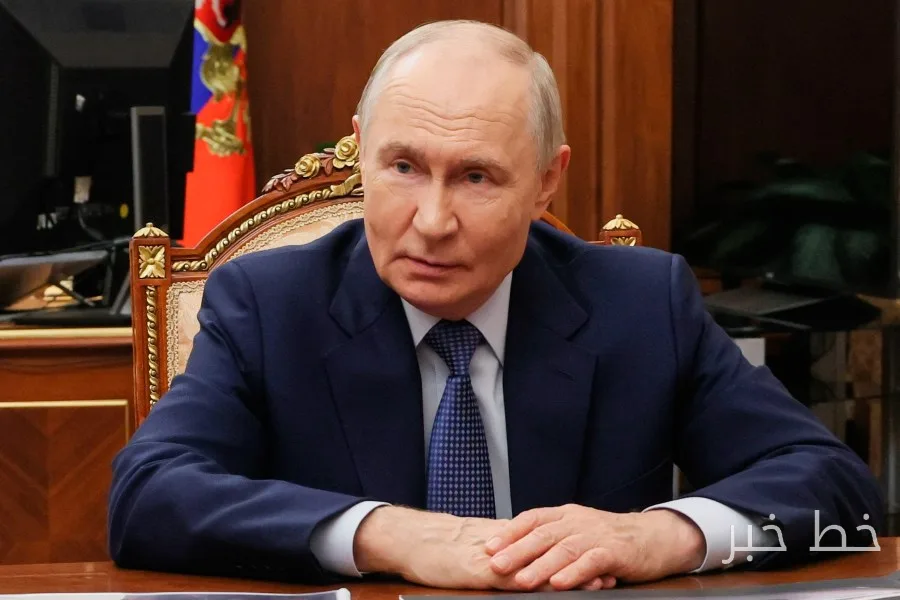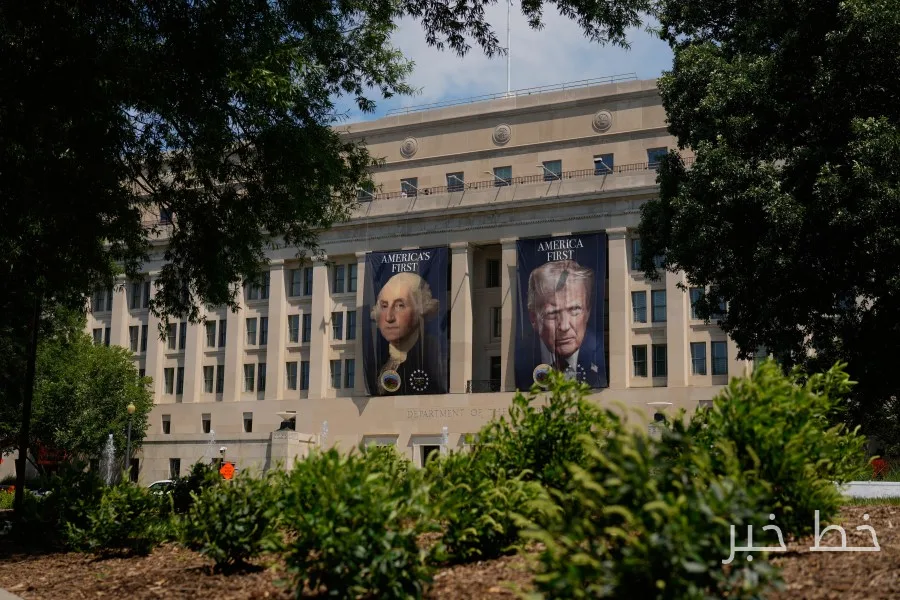
Oil prices in global markets rose above $108 per barrel due to escalating tensions between the United States and Iran. The more than 4% increase in oil prices reflects concerns about the possibility of renewed hostilities between the two countries. These changes in the oil market come after Donald Trump, the U.S. President, rejected Iran's proposal to initiate peace talks and reopen the Strait of Hormuz.
Economic War and Its Impact on Oil Prices
Tensions between the United States and Iran have existed for a long time and have led to significant impacts on the oil market. The Strait of Hormuz, which is one of the vital routes for oil transportation in the world, may be closed in the event of military conflict. This could lead to rising oil prices and instability in global markets. Higher oil prices due to concerns over severe market fluctuations could have serious repercussions for the global economy and also for countries that depend on oil imports.
Read more: Oil and Gas in the Fire of Middle Eastern Tensions
Market Response to Trump's Policies
The oil market reacts quickly to political news, and Trump's decisions regarding Iran have profound effects on prices. The increase in oil prices indicates investors' reactions to political and economic uncertainties. This price increase may be profitable for oil producers, but it can create challenges for consumers and oil-importing countries.
Currently, experts believe that continued tensions could impact oil prices. Additionally, given the current state of the global market and the need for energy supply, any increase in oil prices may lead to further fluctuations in the global economy. In this context, monitoring and analyzing the economic and political situation closely can help better understand the oil market's status.
Read more: Harold Oil Company Also Reached an Agreement for Drilling in Venezuela · Increase in Diesel Prices in America and Its Impact on the Global Economy