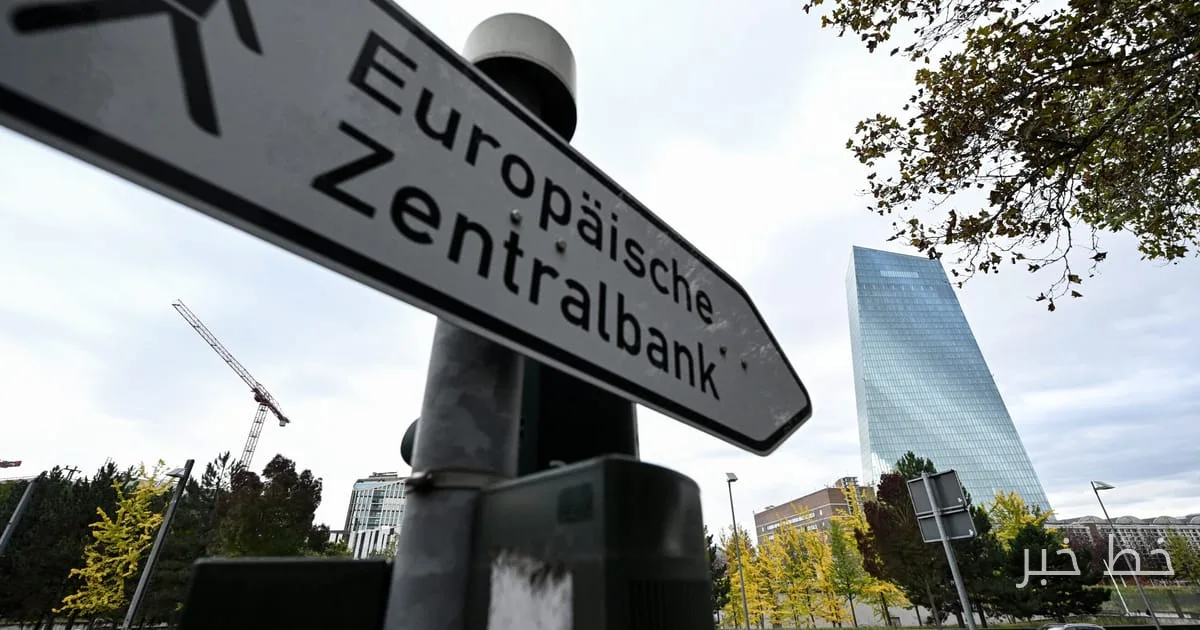
Pablo Hernández de Cos and Klaas Knot are the two main candidates to succeed Christine Lagarde at the European Central Bank (ECB). Lagarde recently announced that she will step down from her position in February next year, intensifying the competition for her succession.
Candidates' Profiles and Backgrounds
Pablo Hernández de Cos, a Spanish economist known for being an influential and calm figure, currently serves as the Governor of the Bank of Spain. In a recent Bloomberg poll, he has taken the lead with 12 votes compared to Klaas Knot, who received 9 votes. On the other hand, Klaas Knot, a Dutch economist with a distinguished background at the Dutch Central Bank and the International Monetary Fund, is known as a tough official. He is famous for his criticisms of the European Central Bank's easing measures during Mario Draghi's presidency.
Read more: The Javier Milei government has launched a voluntary buyout program for public employees
Challenges and Opportunities for Hernández de Cos
Hernández de Cos is recognized as a “dovish” figure and has worked as a senior economist at the Bank of Spain during the Eurozone economic crisis. Given the financial pressures France is currently facing, his experience could serve as an advantage in garnering support from countries in the European Union. However, some officials may wish to avoid selecting a candidate from high-debt countries, which could work against him.
Klaas Knot's Background and Its Impact on Decision-Making
Klaas Knot, with a PhD in Economics from the University of Groningen, has held various senior positions in the Dutch Ministry of Finance and the Dutch Central Bank. He is also known as the Chairman of the Financial Stability Board G20. During Lagarde's presidency, Knot's relations with the leadership of the European Central Bank have improved, and he has supported crisis response programs during the pandemic. Knot's supporters believe that choosing a tough president could help support the southern European economies during the debt crisis.
Political Influences on the Final Selection
Political factors may also influence the final selection. For example, France is seeking to secure the position of Chief Economist at the European Central Bank, which will become vacant in May 2027. These issues may lead some officials to prefer not to select a candidate from high-debt countries. Ultimately, the final decision regarding the selection of the President of the European Central Bank will be made at the end of this year during a meeting that Eurozone ministers will hold in December.
Given the current circumstances and the history of each candidate, the final selection will depend on a desirable combination of policies and political calculations that European Union leaders will consider.
Read more: Qatar is helping Lebanon solve its electricity crisis · Meloni asked von der Leyen to allow member states more freedom in spending