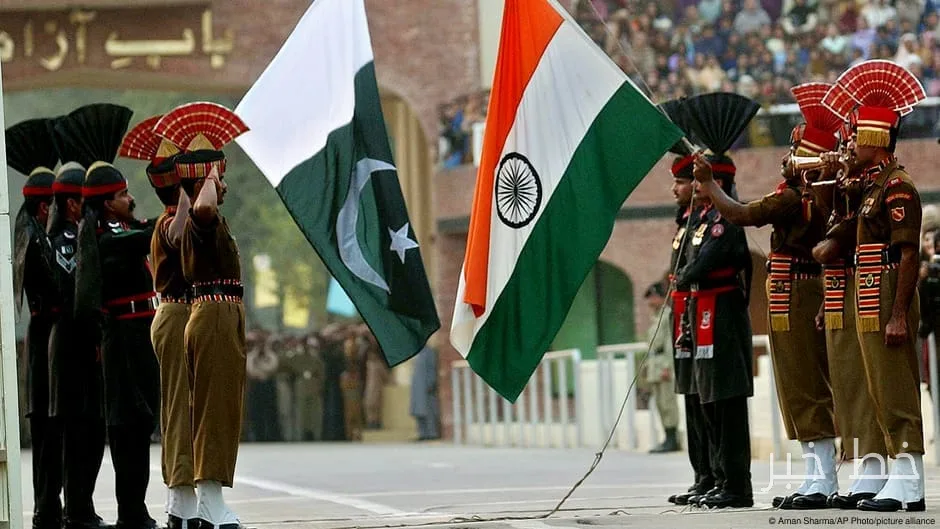
Pakistan's Climate Change Minister, Masood Malik, will travel to India from November 20 to 22 to participate in the Dialogue of Civilizations hosted by the Shanghai Cooperation Organization (SCO) in New Delhi. This trip is the first visit by a Pakistani federal minister to India since the four-day war that occurred last year between the two nuclear countries.
Details of the Trip and Historical Context
The recent military conflict began after an armed attack on tourists, predominantly Hindus, in Indian-administered Kashmir in April 2025. India accused Pakistan of supporting this attack, which Pakistan denied. Since this conflict, diplomatic tensions between the two countries have significantly escalated, and the official space for interactions has diminished.
Read more: China Expels Bloomberg Journalist for Questioning Trump
The Dialogue of Civilizations was proposed by Indian Prime Minister Narendra Modi at the SCO summit in Tianjin in September 2025. As the host, India has invited all member countries to participate in this event. The Shanghai Cooperation Organization is a political, economic, and security alliance established in 2001, with current members including Belarus, China, India, Iran, Kazakhstan, Kyrgyzstan, Pakistan, Russia, Tajikistan, and Uzbekistan.
Experts' Opinions on the Trip
Ajai Bisaria, former Indian ambassador to Pakistan, sees the importance of this trip in that neither side has attempted to avoid this interaction. He stated, "The key point is that the relationship is not so broken that India cannot invite Pakistan or Pakistan cannot come. This in itself is a good sign." However, he also warns that one should not assume that this invitation signifies a diplomatic breakthrough.
The main idea behind this trip, according to experts, is to maintain Pakistan's position in the Shanghai Cooperation Organization. Pakistan wants to preserve its influence in this organization and therefore considers sending a senior minister to India an important step. Ayesha Siddiqa, a military and security expert from King's College London, says, "Pakistan is keen to maintain its position and influence in the SCO and does not want to relinquish its role in this organization."
While the trip of Pakistan's Climate Change Minister to India is seen as a positive step, Bisaria notes that this trip does not signify progress in bilateral relations. He states, "This is a small step forward, not a major breakthrough. The future of this trip depends on Pakistan's behavior."
On the other hand, India has emphasized that terrorism and dialogue cannot coexist simultaneously following the April 2025 attack. Randeep Jaiswal, spokesperson for the Indian Ministry of External Affairs, stated at the end of October, "After the Pahalgam attack, we have a policy towards Pakistan, and this policy is still in effect. It has not changed."
Currently, Pakistan continues to raise the issues of Kashmir and the Indus Waters Treaty, which India has suspended following the attack. Malik, the Climate Change Minister, has been a vocal advocate in Pakistan's campaign regarding water rights and warned last June: "We will defend ourselves... If anyone touches our share of water, we will cut off their hand."
Read more: Nick Begich Secures Second Term in Alaska · Australia Proposes Immediate Exit from Fossil Fuels at Climate Conference