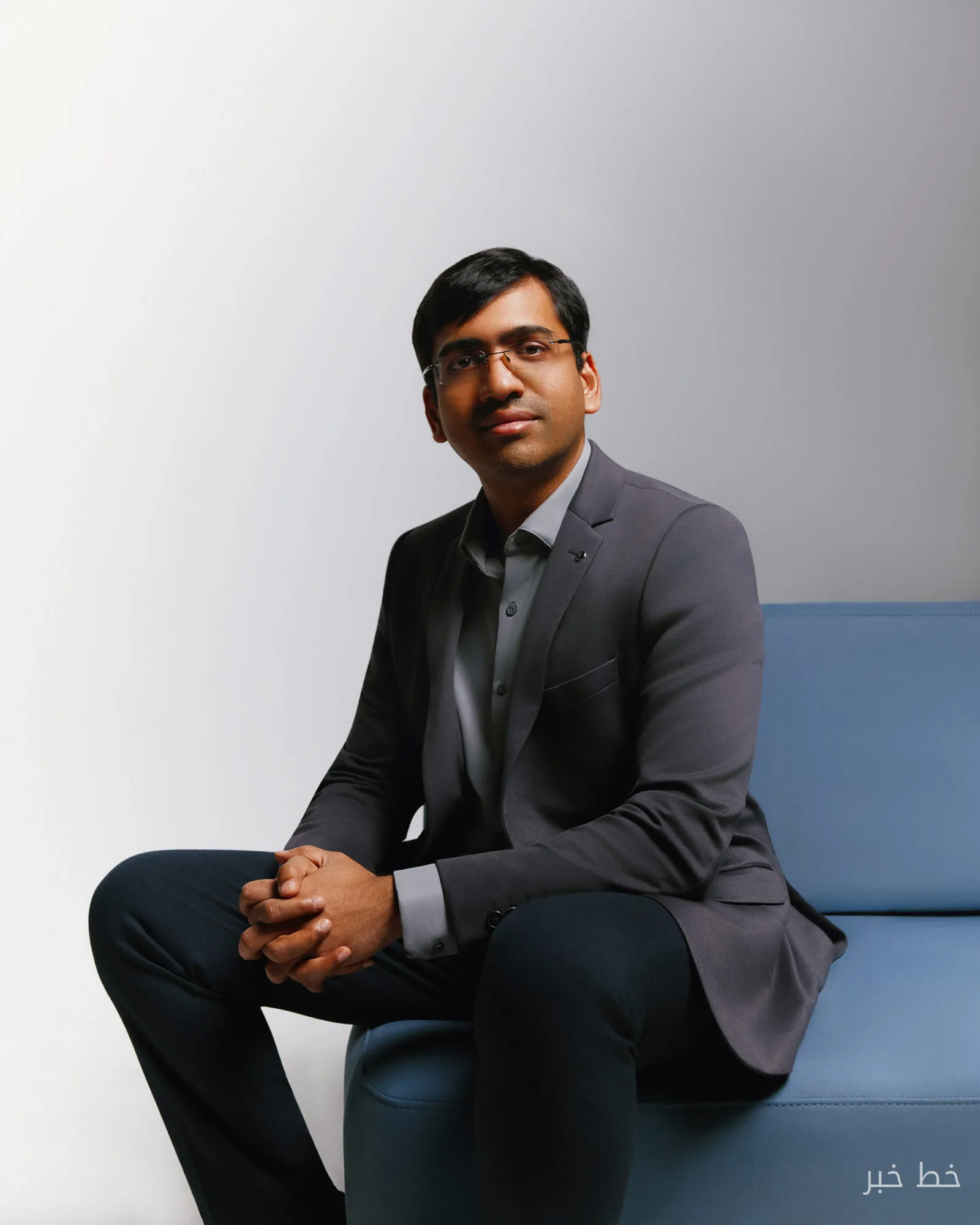
Pawan Kumar Chandana made India the first country to send a payload into orbit with a private rocket by launching Vikram-1 on July 18, 2026. This rocket, which stands 22 meters tall, was sent into space from a launch pad in Andhra Pradesh and delivered six small satellites into low Earth orbit.
A Milestone in India's Space Journey
Narendra Modi, the Prime Minister of India, referred to this launch as a defining moment in India's space journey, adding that the growing participation of the private sector in this industry opens new horizons for the country. Jitendra Singh, the Minister of State for Science and Technology, also emphasized the significance of this event, stating that this launch represents a major transformation in India's space industry.
Read more: Apple reports service issues due to internal update
Developments in India's Private Space Industry
Chandana, who has six years of experience as a rocket engineer at the Indian Space Research Organisation (ISRO), founded Skyroot Aerospace in 2018. The company currently has 1,000 employees and is valued at $1.1 billion. Vikram-1 can send over 350 kilograms of payload into space, and Chandana aims to build larger rockets for carrying more payloads in the future.
Chandana mentioned plans to launch Vikram-2 by next year, stating that this rocket will have a greater payload capacity than Vikram-1. He also announced goals for developing reusable rockets that could reduce the costs of space travel.
The private space industry in India is looking to increase its share in the $500 billion global market. Currently, this industry's share of India's GDP is only 0.2%, but it is expected to reach $45 billion over the next decade.
Chandana expressed optimism for the future of India's space industry, referring to his plans to achieve a launch rate of once a month and eventually one launch per day. He believes that with the development of this industry, India can become a major player in the global space market.
Read more: National Security Agency faces temporary disruption in its systems