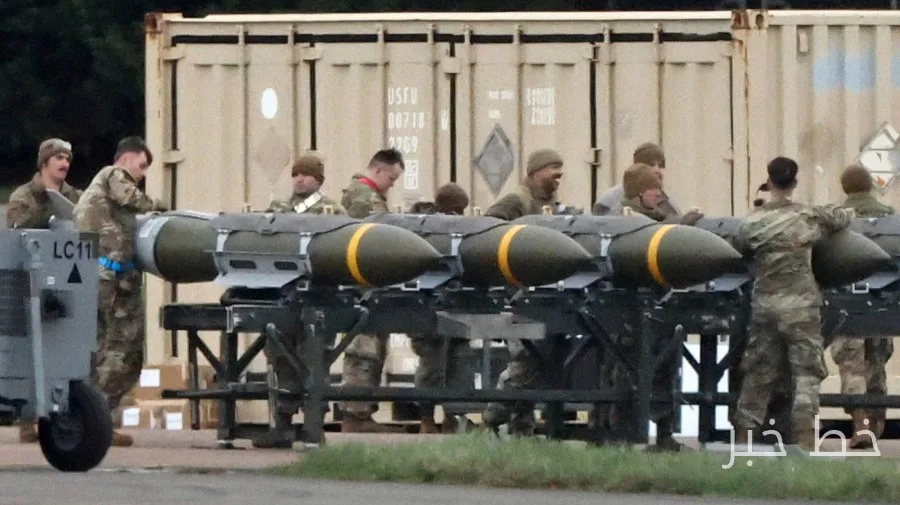
While facing an ammunition shortage, the Pentagon has no comprehensive and nationwide plan to solve this problem. This issue has been highlighted in a new report from a federal regulatory body that emphasizes the existing deficiencies within the Department of Defense.
Ammunition Shortage and Its Causes
The regulatory body’s report, released on Thursday, points out that the ammunition shortage at the Pentagon has been significantly impacted by the previous U.S. government's war in Iran. This war not only led to a reduction in ammunition stockpiles but also had negative effects on the supply chain and production.
Read more: Mark Kelly criticizes Hong Kao's remarks on food shortages on ships
Actions by the Department of Defense
The U.S. Department of Defense is trying to increase its ammunition stockpile and has taken some actions in this regard. However, these actions have not been sufficient, and the regulatory body emphasizes that the Pentagon needs a coherent and long-term plan to address this issue. According to this body, without a comprehensive strategy, the ability to continue supplying ammunition for military forces in the near future is not feasible.
These shortages can have serious implications for U.S. military readiness, and if this trend continues, the country's military capabilities may be affected. The regulatory body has pointed out that there is a need for a comprehensive approach to resource management and ammunition supply. This approach should include careful planning and forecasting of future needs.
Possible Consequences
The ammunition shortage not only affects military operations but can also lead to an inability to respond to global threats. As global crises are on the rise, ensuring sufficient ammunition for military forces has become a priority. According to this report, the Department of Defense must act quickly to prevent more serious problems from arising.
Ultimately, the regulatory body emphasizes that without fundamental changes and effective planning, the Pentagon may face serious challenges in the future. This could lead to an inability to carry out key missions, and therefore, the need for a strategic and long-term approach is felt more than ever.
Read more: Markwin Mullin and Christopher Raya testify in Congress about national security threats · Senate Democrats seek December funding deadline to end the war in Iran