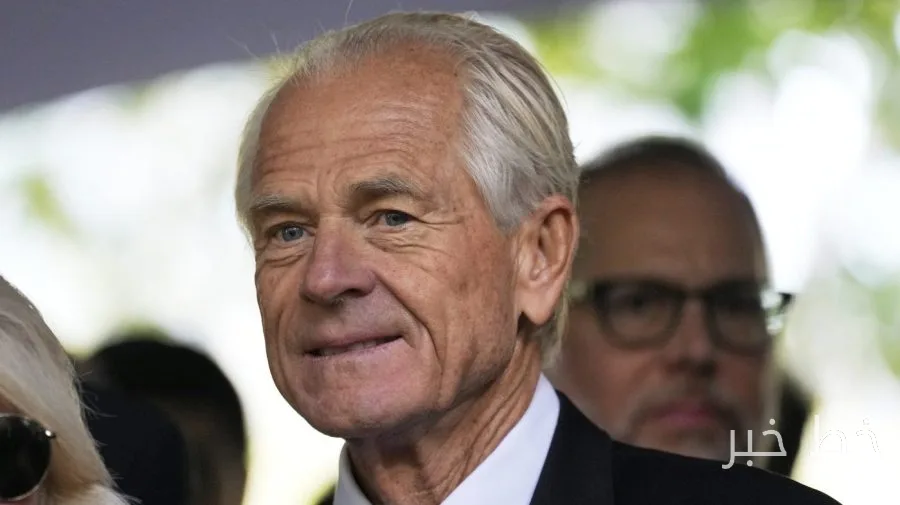
Peter Navarro, White House advisor, has recently made sharp criticisms regarding the Federal Reserve's decision to raise interest rates over the past few years. He described this decision as 'bad' and elaborated on his reasons for these criticisms. The interest rate increase, approved by the Federal Open Market Committee (FOMC) led by Kevin Warsh, was unanimously passed and now the interest rate stands in the range of 3.75% to 4%.
Details of the Interest Rate Increase
The Federal Open Market Committee, which includes key members of the Federal Reserve, recently concluded that raising interest rates could help control inflation and strengthen the economy. This decision was made at a time when the U.S. economy is facing multiple challenges, including rising costs and market volatility. Peter Navarro believes that this action could cause serious harm to the economy instead of helping it.
Read more: The Impact of Climate Change on Rising Household Costs and Declining Incomes
Reactions to the Federal Reserve's Decision
Continuing his criticisms, Navarro pointed out that this decision could put more pressure on businesses and families. He believes that raising interest rates could lead to a decrease in investment and consumption, which would directly negatively impact economic growth. He also noted that many economic experts are examining the consequences of this decision, and the results may not be favorable for the U.S. economy.
Navarro's criticisms come at a time when the Federal Reserve has always sought to balance controlling inflation and supporting economic growth. Raising interest rates is seen as a tool to curb inflation, but Navarro and other critics believe that this action could lead to increased unemployment and a decline in people's living standards.
Given these criticisms and concerns, it remains to be seen whether the Federal Reserve will change its decisions in the future. This issue could have widespread effects on the U.S. economy as well as global markets.
Read more: The Cost of War with Iran for the Pentagon has been $38 Billion · The Yield of 10-Year U.S. Bonds Reached 5 Percent