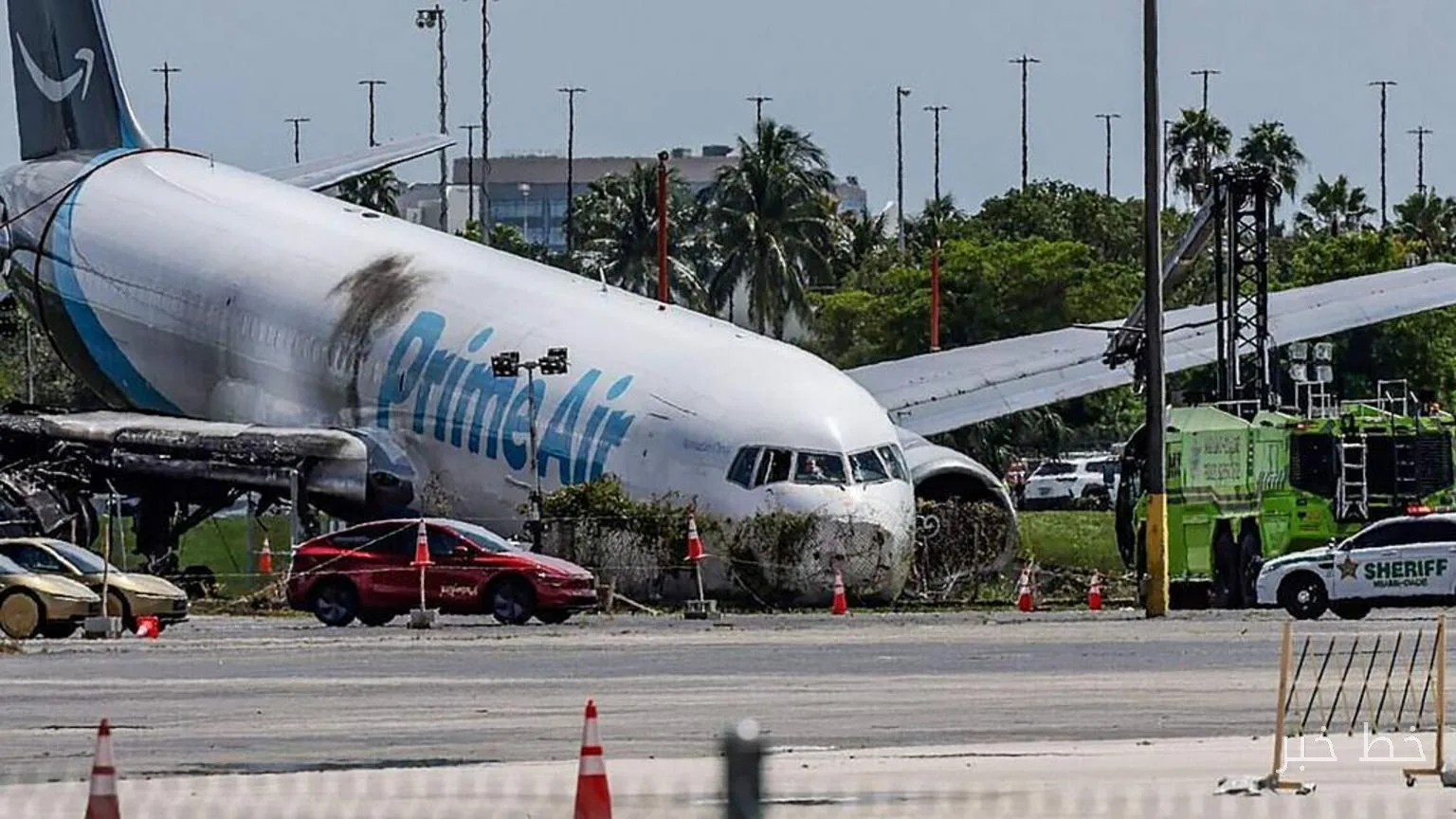
The tragic incident of an Amazon cargo plane crash has once again challenged public opinion. According to obtained data, one of the pilots warned his colleague about the "excessive speed" of the plane during flight. However, surprisingly, this warning was not taken seriously and received an inappropriate response from the other pilot.
Why was the warning ignored?
This incident not only claimed the lives of several people but also raised many questions about flight safety standards and pilot accountability. While alarms were sounding, it seems that a lack of coordination and effective communication between the pilots played a significant role in this disaster. Ignoring warnings and failing to respond appropriately can be seen as a serious red flag for the aviation industry.
Consequences of this incident
This incident could have severe consequences for Amazon and the air transport industry. Despite technological advancements in flight safety, this incident shows that there is still a need for improvement in pilot training and awareness. Should the aviation industry reconsider its training methods? Or is this incident merely an exceptional case that will soon be forgotten?
Ultimately, what must be remembered is that flight safety depends not only on advanced technologies but also on human interactions and responsiveness to warnings. In a world where human lives are at risk, ignoring warnings can have irreparable consequences.