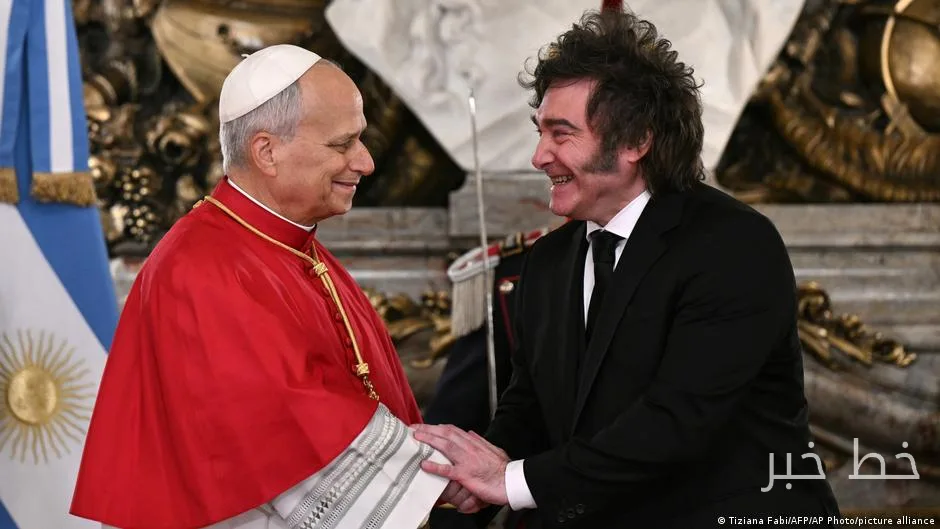
Pope Leo XIV, as the first pope in history, voted in a public election in the United States. This historic event is recognized as a milestone in the history of the church and politics and may have profound effects on the relationship between the church and the government in the future.
Historical significance of the pope's voting
The pope's voting in this election occurs at a time when political and social issues in the United States are heavily influenced by religion and faith. Many analysts believe that this action could contribute to changes in public attitudes towards the church and its role in politics. Pope Leo XIV's action may also be seen as a symbol of greater convergence between religion and politics.
Read more: J.D. Vance proposed direct negotiations to Mohsen Rezaei
Potential consequences for church and state relations
The pope's voting could have significant impacts on the relationship between the church and the government in the United States. This action may lead to increased attention to social and political issues and, as a result, could influence political decision-making. With this action, Pope Leo XIV has demonstrated that the church can be more active in social and political matters and express its views in these areas.
Considering that Pope Leo XIV has previously addressed issues such as poverty, social justice, and human rights, his vote in this election may reflect his priorities in U.S. domestic policies. This action could also strengthen international communications between the church and other religious and political institutions.
Ultimately, this action by Pope Leo XIV is seen as a symbol of changes in religion and politics in the twenty-first century. Given the widespread implications of this event, it is expected that the topic of the pope's voting will lead to further discussions about the role of the church in politics and society in the future.
Read more: Mike Pence supported Ken Paxton in Texas · Pope Leo XIV's good recovery after lung surgery