Pope Leo XIV has participated in the U.S. general election as the first pope in history by casting his vote by mail. The Vatican confirmed on Friday that this 71-year-old pope, born as Robert Francis Provost in Chicago, Illinois, took action for mail-in voting on October 3.
Pope Leo XIV's Right to Vote
The Vatican press office stated in a statement that the pope "exercised his right to vote as an American citizen" and has consistently fulfilled this right during voting eligibility periods. According to records from the Illinois State Board of Elections, Robert Provost has voted in every general election since 2000, except for the 2020 and 2022 elections, which include five primary elections.
Dual Citizenship and Political Positions
Pope Leo XIV, during his tenure as bishop in Peru, also holds Peruvian citizenship, and the Vatican has stated that he has voted in that country whenever eligible. A Vatican spokesperson stated that "the Holy Father expresses his belief in the right and duty of citizens to participate in democratic processes."
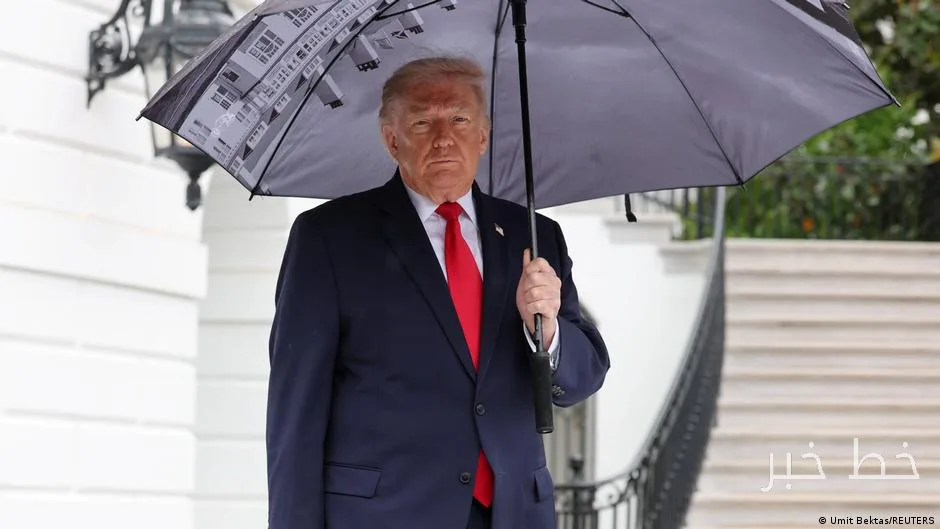
In the U.S. midterm elections taking place on Tuesday, all House of Representatives seats and about one-third of the Senate will be up for voting. Republicans led by Donald Trump are trying to maintain their slim majorities in both chambers, while Democrats are posing a strong challenge.
In Illinois, voters are deciding whether to re-elect Governor J.B. Pritzker for a third term and are also filling a vacant Senate seat following the retirement of longtime Democratic Catholic Dick Durbin. It is still unclear which candidate Pope Leo XIV voted for, but he has had repeated conflicts with President Trump and his administration since the beginning of his papacy.
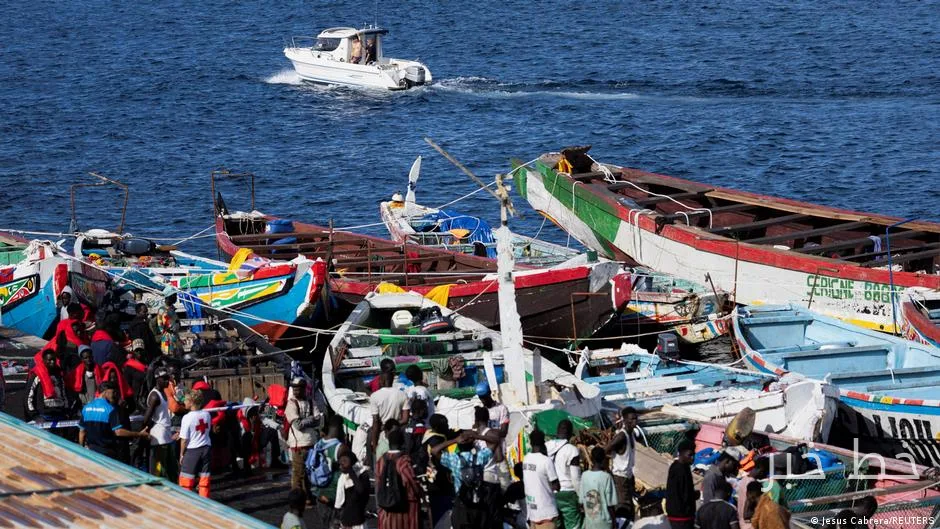
Pope Leo XIV has criticized various issues including the Iran war, immigration, and press freedom, and he rejected an invitation to the 250th anniversary celebrations of the United States earlier this year. Although the two have yet to meet in person, Trump has repeatedly attacked the pope personally, calling him "weak" and under the control of "radical left."
In response to Trump's criticisms during a trip to Algeria in April, the pope said, "I am not afraid of the Trump administration or of the clear expression of the Gospel message that our Church strives for. I will continue to speak out strongly against war and seek to promote peace, dialogue, and multilateralism among governments to find solutions to problems."