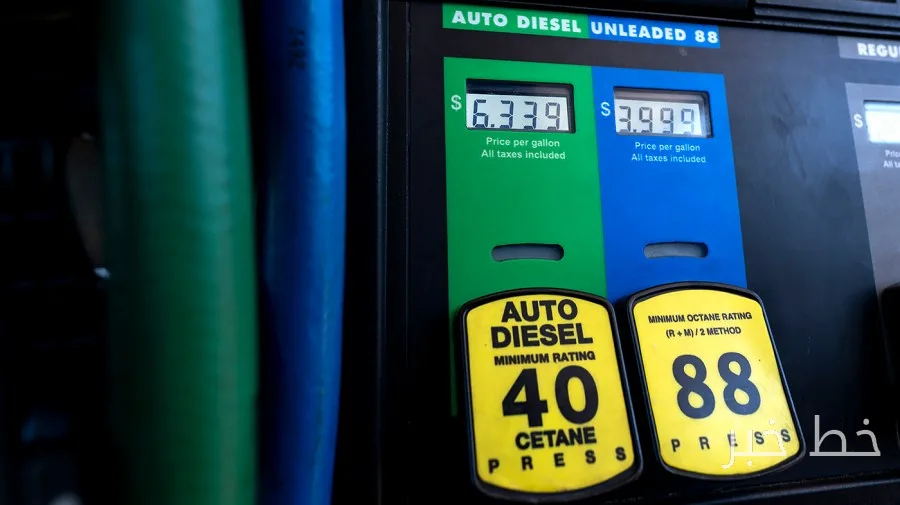
People in the United States, especially as the midterm elections approach, are facing the challenge of rising prices. This economic situation not only affects their daily lives but also influences political and electoral decisions. Given the significant increase in prices in recent years, this issue is expected to be one of the key factors in determining the fate of the elections.
The Impact of Rising Prices on Voter Behavior
Voters usually pay attention to economic and social issues related to their daily lives. In this election cycle, issues such as the cost of living, food prices, and services are particularly in focus. Considering that people in the United States are grappling with high inflation rates, this issue could have a substantial impact on their electoral behavior.
Economic Challenges and Political Responses
Past experiences have shown that economic challenges can influence election outcomes. In previous elections, rising prices led voters to lean towards parties and candidates who promised to improve the economic situation. Therefore, in the upcoming elections, political parties are also expected to strive to attract voters by presenting appealing economic programs.
Especially now, as concerns about people's purchasing power and their ability to meet basic needs have increased, candidates must carefully address these issues. In this context, economic promises and specific plans to control inflation and improve economic conditions could be a winning card for candidates.
Ultimately, given the current economic conditions and their impact on daily life, it is expected that economic issues will be one of the main topics of electoral debates. Therefore, voters in this cycle should listen carefully to candidates' programs and make their choices based on accurate and transparent information.