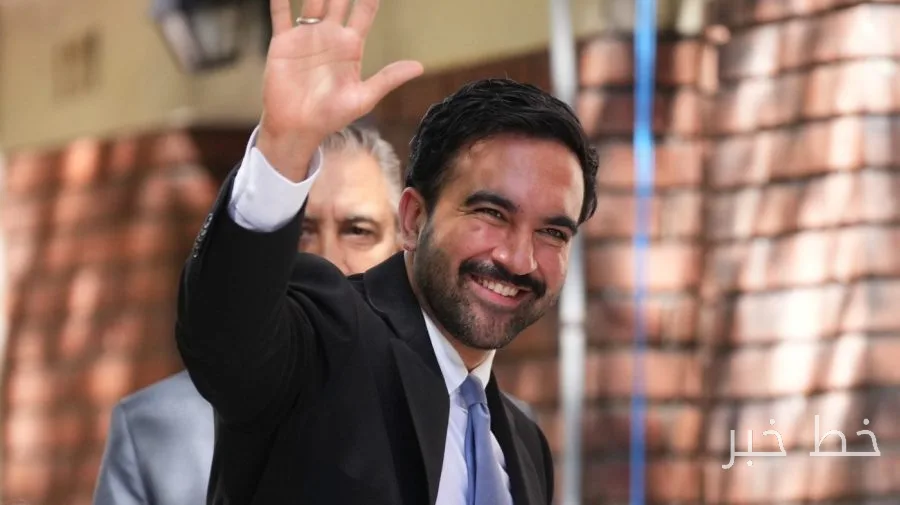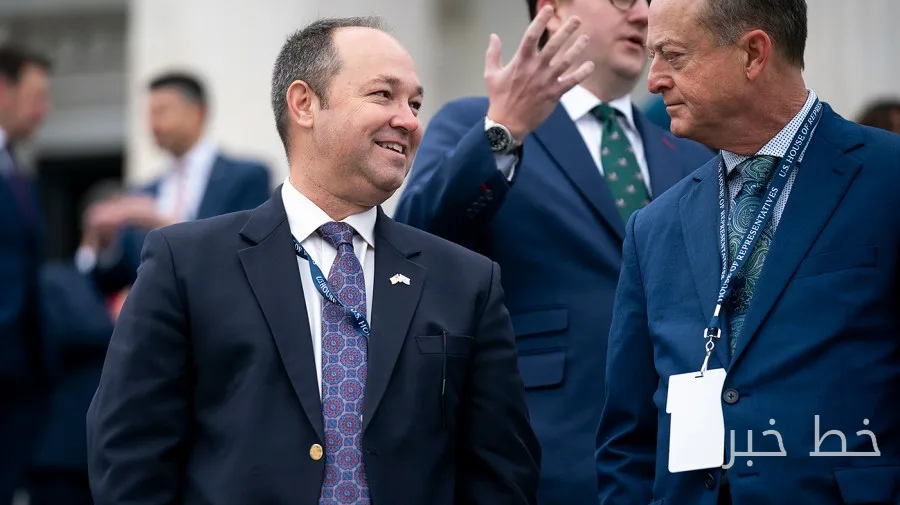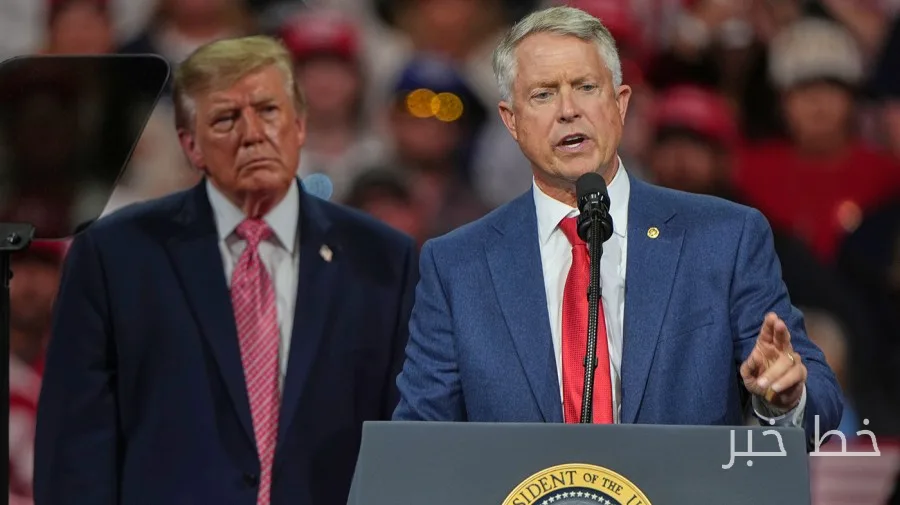
Roger Marshall, the Republican senator from Kansas, reacted to former President Donald Trump's decision to cancel his campaign rally in the state by providing explanations. Marshall stated that Trump can achieve victory in the upcoming elections without the need to attend this rally.
Reason for Canceling the Rally
In an interview with reporters on Thursday, Marshall pointed to polling results, stating: "I think I am performing well in the polls, and therefore Trump can probably spend his time in better places." These remarks are interpreted as support for Trump's decision not to attend the Kansas rally.
Read more: Democratic Senate Campaign Committee Spent $500,000 in Mississippi
Political Implications
Trump's decision to cancel the rally in Kansas could have significant political implications. Many analysts believe that this action may be a sign of Trump's high confidence in the election process. Additionally, this could impact Republican intra-party competitions in other key states.
While some of Trump's supporters may be disappointed by the cancellation of this rally, Marshall hopes that, given the positive polling results, he can leverage this opportunity to his advantage. He also emphasized that Trump's support for him in other meetings and at appropriate times could help strengthen his campaign.
Marshall's Position in the Polls
Roger Marshall is recognized as one of the successful Republican senators in Kansas, and polls indicate that he is in a good position for reelection. This could boost his and other Republicans' confidence in garnering voter support.
Overall, Trump's cancellation of the rally in Kansas and Marshall's defense of this decision highlight the complexities of electoral politics in the United States and the impact of polling on political decisions. This event could lead to strengthening or weakening the political positions of various individuals in the near future.
Read more: Greg Stanton Predicted Trump Will Resume Attacks on Iran After the Midterm Elections · 2026 Midterm Elections Became the Most Expensive Election Cycle in History