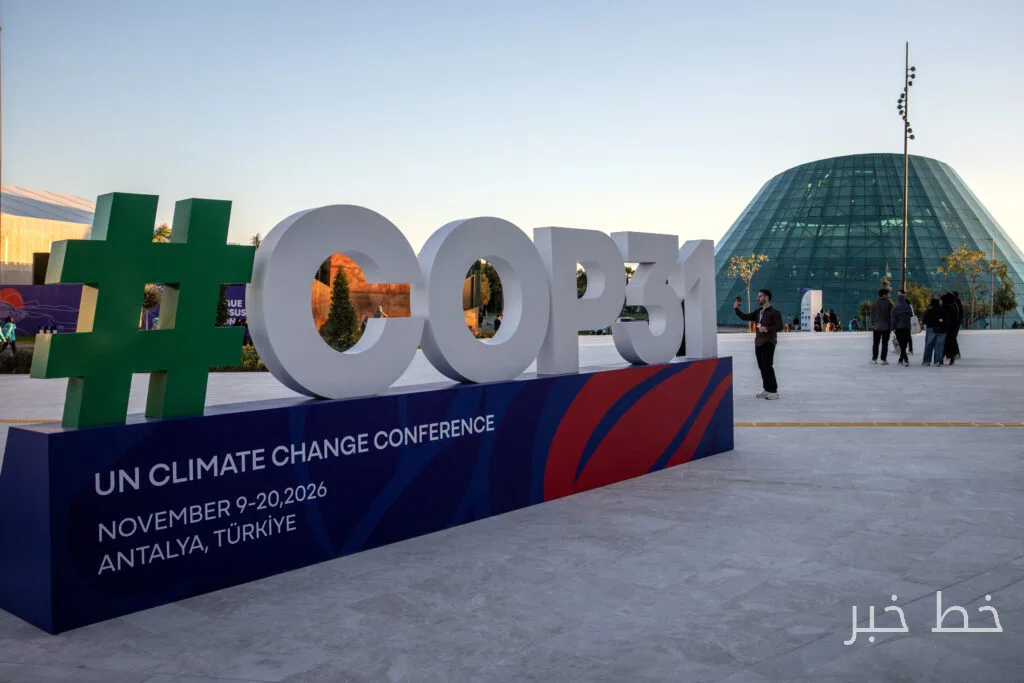
The Vatican and Russia have opposed references to gender in climate negotiations at the COP31 conference in Antalya, Turkey. Four diplomats present at the negotiations stated that these two entities reject most references to the term "gender."
Opposition to LGBTQ+ Rights
Diplomats believe that this action is due to opposition to LGBTQ+ rights. The changes they described limit definitions in the texts of COP31 in a way that excludes transgender individuals. One diplomat said, "It seems to be part of a broader reaction against gender."
Read more: America's Deteriorating Air Travel Infrastructure is Not Ready to Face Climate Change
Impact of Climate Change on Women
Gender is a significant topic in climate change discussions, as research has shown that the impacts of global warming disproportionately affect women and girls. These impacts include increased gender-based violence and health risks during pregnancy. Marginalized groups are often more vulnerable to climate impacts.
The European Union has urged opposing countries to set aside their objections and adhere to previously agreed language. The Paris Agreement, adopted ten years ago, emphasizes the need for "gender-responsive" policies, which refer to policies that consider the impacts of climate change on individuals of different genders.
An EU official in Antalya stated, "We are witnessing a coordinated and growing backlash from some countries against the fundamental principles of effective and inclusive climate action."
The Vatican and Russia have allied on this issue, although they are at odds on other global matters. This comes as Pope Leo XIV has previously expressed public sympathies for the victims of Vladimir Putin's attacks in Ukraine.
Disputes over references to gender have impacted discussions at the conference regarding human rights and ensuring a "just transition." Consensus among all countries is essential for any agreement during the negotiations.
Diplomats are concerned that these disputes may disrupt negotiations for an action plan on climate empowerment. This plan could determine whether governments allow civil society to participate in policymaking.
Read more: George Merkel Seeks Chairmanship of the Senate Environment and Public Works Committee · Greg Stanton Criticizes Ukraine for Long-Range Attacks on Russia



