The Russia sanctions law may put pressure on India-U.S. relations. This law allows President Donald Trump to impose tariffs of up to 100% on countries that purchase Russian oil and gas. India, as one of the main consumers of Russian energy, will be impacted by this law.
Details of the Sanctions Law
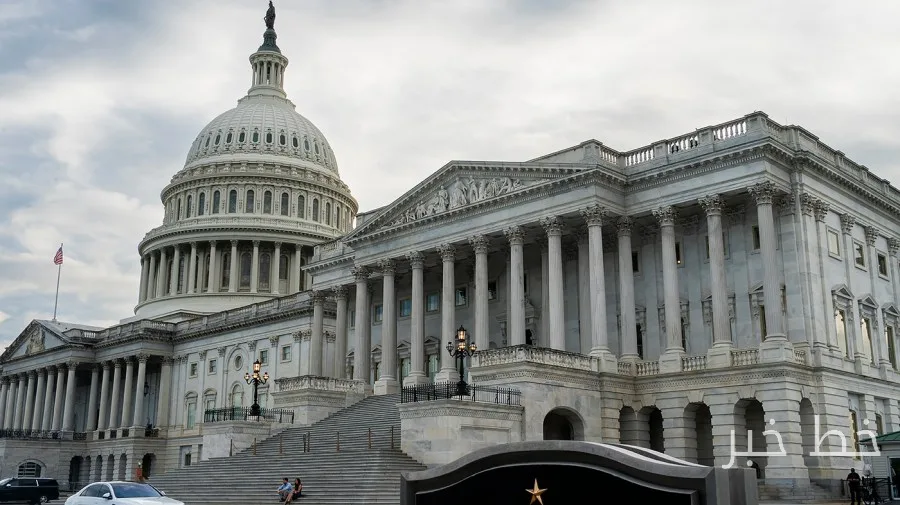
The Russia and Iran sanctions law, known as Lindsey O. Graham, passed a key stage in the U.S. House of Representatives on Tuesday with a vote of 214 to 211. The House is expected to give its final vote on this law on Wednesday. This law addresses sanctions on leadership, energy, and defense industries in Russia, as well as its "shadow fleet" accused of helping Moscow evade sanctions. This law had previously been passed in the U.S. Senate last month.
Economic Consequences for India
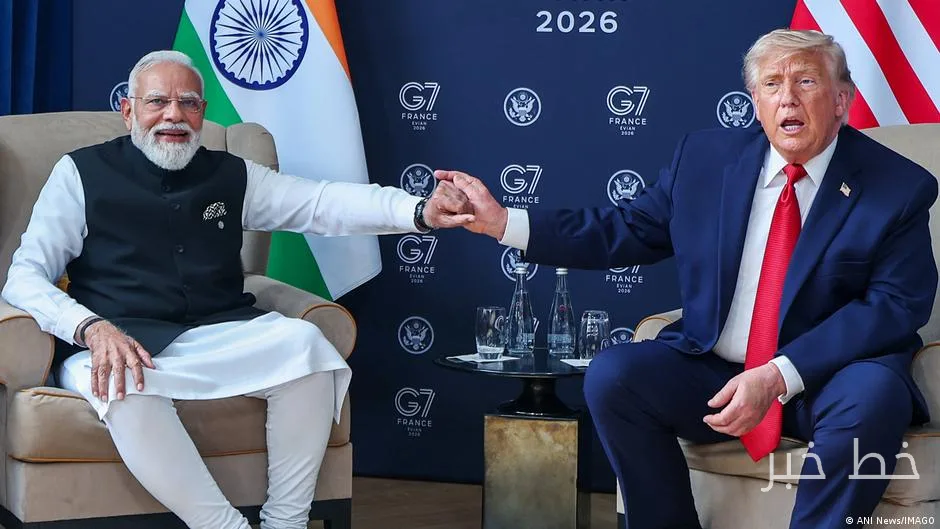
If this law is passed, it will be sent to Trump for his signature. The proposed tariffs aim to increase economic pressure on Moscow by targeting countries that continue to purchase Russian energy. While India-Russia relations have strengthened since the onset of the war in Ukraine, particularly due to Russian oil exports, India-U.S. relations under Narendra Modi have faced tensions. Last year, India was affected by additional tariffs imposed by Trump, which were 25% on Indian imports due to Russian oil purchases.
These tariffs were in addition to a 25% reciprocal tariff. However, the additional tariff related to Russia was removed in February 2026, and the reciprocal tariff was reduced to 18% as part of a trade framework between India and the United States. Nevertheless, a historic bilateral trade agreement between the two countries remains in limbo, with no significant progress made in this regard.