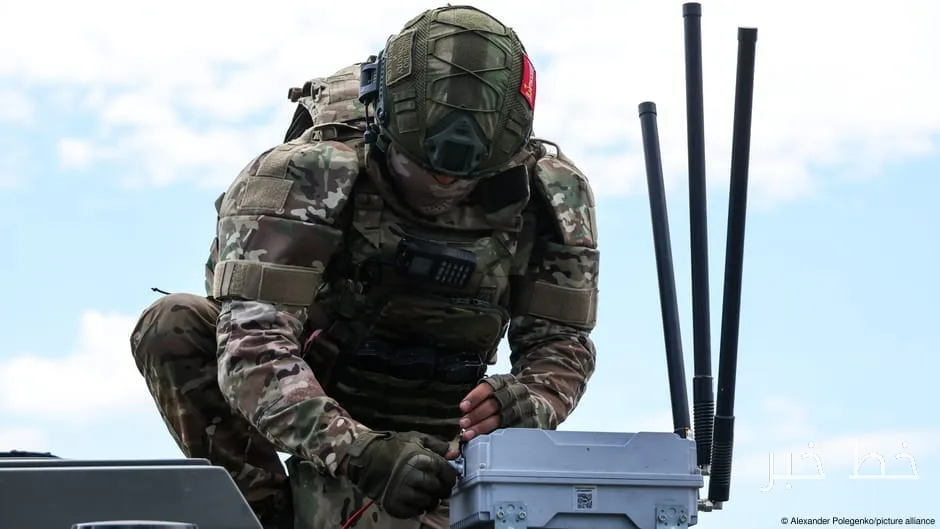
The satellite communication network Rasoot (Dawn), known as the 'Russian Starlink', has recently been employed in the Ukraine war. This system, developed by the Russian space company Buro 1440, operates in low Earth orbit and appears to have seen increased use after the loss of access to Starlink terminals for the Russian military.
Increased Interest in Rasoot
The use of Rasoot to enhance military communications and attacks in Ukraine has begun, helping the Russian army to improve the accuracy of strikes and expand reconnaissance drone capabilities. Information released by the Ukrainian Military Intelligence (HUR) indicates that this system allows the Russian army to maintain greater control over Ukrainian areas.
In early 2026, SpaceX, in coordination with the Ukrainian Ministry of Defense, introduced a licensing list for devices authorized to use the Starlink network. This action led to the deactivation of terminals used by Russian forces, revealing serious communication problems at the front lines of the war.
Challenges and Strengths of Rasoot
Despite being designed as an alternative to Starlink, there are issues regarding the supply of equipment and technology. Experts believe that Buro 1440 faces serious challenges in producing the necessary equipment and kits for ground use. According to Gregory Trishkin, a rocket analyst, no one can currently compete with SpaceX's technological superiority in this field.
Rasoot is expected to become a 'sovereign' system for the Russian army by the end of 2027, but economic and technological challenges will continue to hinder this goal. Additionally, Ukrainian military experts warn that this system could help the Russian army gain greater control over drones in Ukrainian territories.
Meanwhile, the restrictions placed on Starlink services in Ukraine have drawn more attention to the Rasoot issue. Volodymyr Zelensky, the President of Ukraine, has reported serious disruptions in Starshield operations, which could impact the military situation on the battlefield.