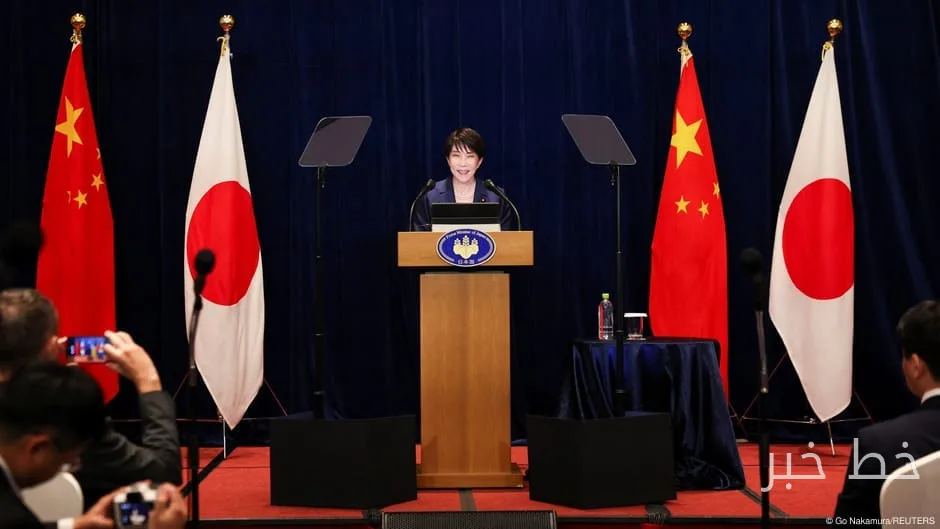
Sanae Takayichi, the Prime Minister of Japan, encountered a cold reception from China during the Asia-Pacific Economic Cooperation (APEC) meeting held on November 18 and 19 in Shenzhen. Upon arrival at the meeting, the mobile staircase for her exit from the plane was inappropriately short, and she had to lean against the aircraft door frame to descend the stairs.
Unenthusiastic Welcome for the Japanese Prime Minister
After the plane landed, the official welcome for Takayichi was noticeably lackluster. Unlike the enthusiastic welcomes for other APEC leaders, there was no music, cheerful crowd, or traditional dances for her. The Yomiuri Shimbun reported that Xi Jinping's reaction during the dinner meeting with Takayichi was "cold," and while many other leaders managed to establish face-to-face contact with her, the Japanese delegation had no access to him.
Read more: The Impeachment of Pete Hegseth in Congress May Be a Trap for Democrats
Tense History of China-Japan Relations
China-Japan relations have always been influenced by the tumultuous history between the two countries. Japan's occupation of China in the 1930s and bitter events such as the Nanjing Massacre have created a deep historical understanding of the existing tensions. While Japan claims that its repeated apologies after the war and economic assistance to China are overlooked, diplomatic relations between the two countries were normalized in 1972.
Recently, Takayichi expressed in response to parliamentary questions about Taiwan that any "incident" in Taiwan could harm Japan's national security. These statements provoked a strong reaction from China and led to trade sanctions against Japan. China has also demanded a retraction of these statements.
Experts believe that China still holds more power than in the past due to Japan's dependence on rare earth resources and its increasing military presence around Japan. At the same time, this pressure may motivate Japan to increase its defense spending and draw closer to its other partners.
Takayichi, known as a conservative, is trying to balance between reducing tensions with China and maintaining her image among her hardline supporters. This situation poses a significant challenge for her leadership and may impact the future of relations between the two countries.
Read more: Hakeem Jeffries Faces New Challenges as the Large Democratic Majority · Mark Carney Looks to Strengthen Relations with China as Leverage in Trade Talks with the U.S.