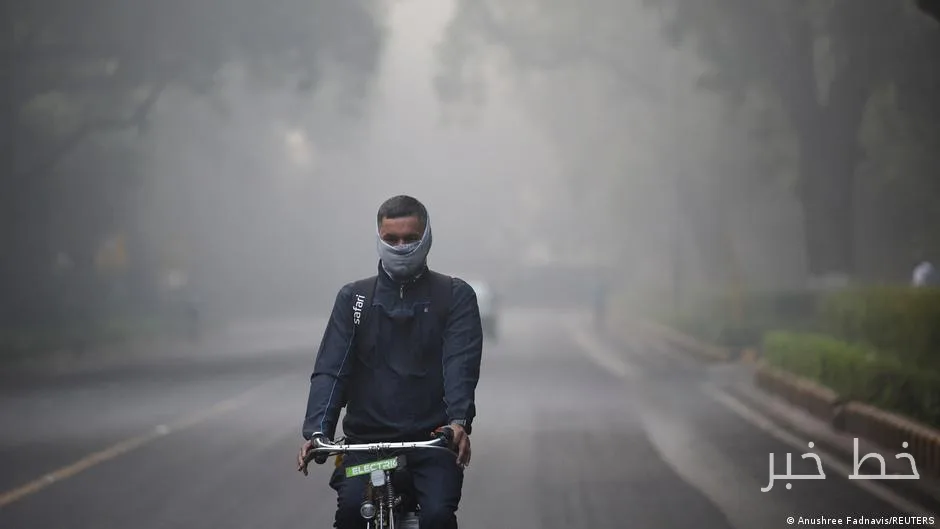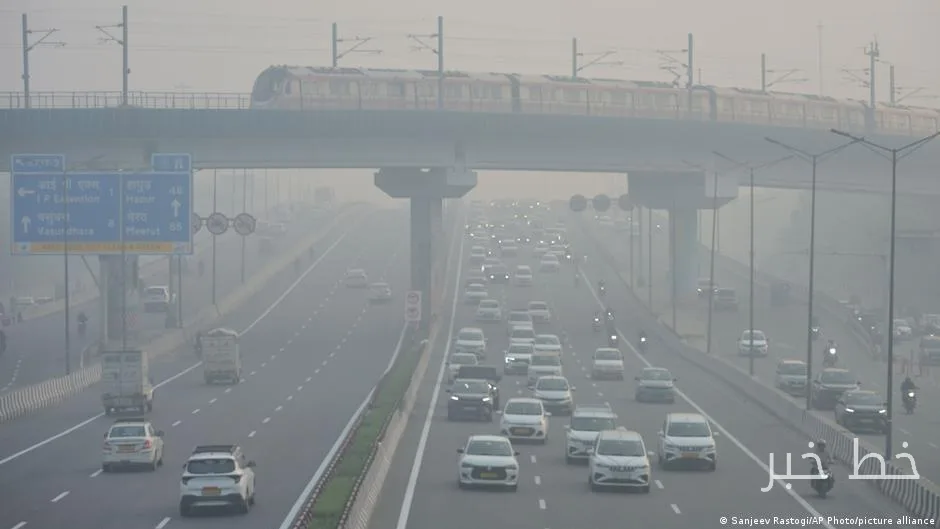
Scientists have declared climate change a "global emergency" for health. This request was made by nearly 150 researchers from over 30 countries to draw attention to the increasing harms caused by climate change.
Increase in Heat-Related Deaths and Food Crisis
Climate change in 2023 was responsible for over half a million heat-related deaths, and since 2016, the number of deaths has reached nearly 3 million. Additionally, areas affected by severe droughts threatening food and water supply have expanded more than 700% faster than in the past decade. According to the annual Lancet Countdown report on health and climate change, the costs associated with heat alone last year reached nearly $1.07 trillion in lost potential income.
Read more: Chiricahua Introduced as the Latest National Park in America
Economic and Social Impacts of Climate Change
Alan Dangour, Director of Health and Climate Change at Wellcome Trust, commented on this situation, stating: "We must change course and place the health and well-being of people at the heart of our responses to climate change. We should measure success not through greenhouse gas emission targets or degrees Celsius, but by saving lives and improving health outcomes."
Rising temperatures specifically affect workers, leading to a loss of 573 billion work hours by 2025, with agricultural workers being the most affected. Additionally, vulnerable economies in Africa and Southeast Asia are facing a 5% reduction in GDP.
Satellite data shows that since 2003, 43% of the world's land is becoming consistently drier, while 37% is becoming wetter. These changes are affecting over 80% of the land overall and pose a threat to crops, food supply, and public health.
In 2024, heatwaves and droughts have pushed nearly 128 million people into food insecurity, a significant increase compared to the average from 1981 to 2010.
To save lives and maintain human health, experts have called for the World Health Organization (WHO) to create a new tool that allows countries to share information, coordinate responses, and monitor threats.
Rominalo, Executive Director of Lancet Countdown, stated: "We have enough evidence to show that such actions help improve health outcomes. Early warning systems can mitigate the negative impacts of these extreme weather events."
However, progress has generally been very slow, and fossil fuels still provide over 80% of global energy. Costs related to fossil fuels have doubled since 2016, reaching $6.2 trillion, while some countries in 2024 have spent more on these subsidies than on their entire health systems.
Read more: Judge Extends Ban on Tree Cutting in East Potomac Park · 40% of Americans Report Deteriorating Personal Financial Situation