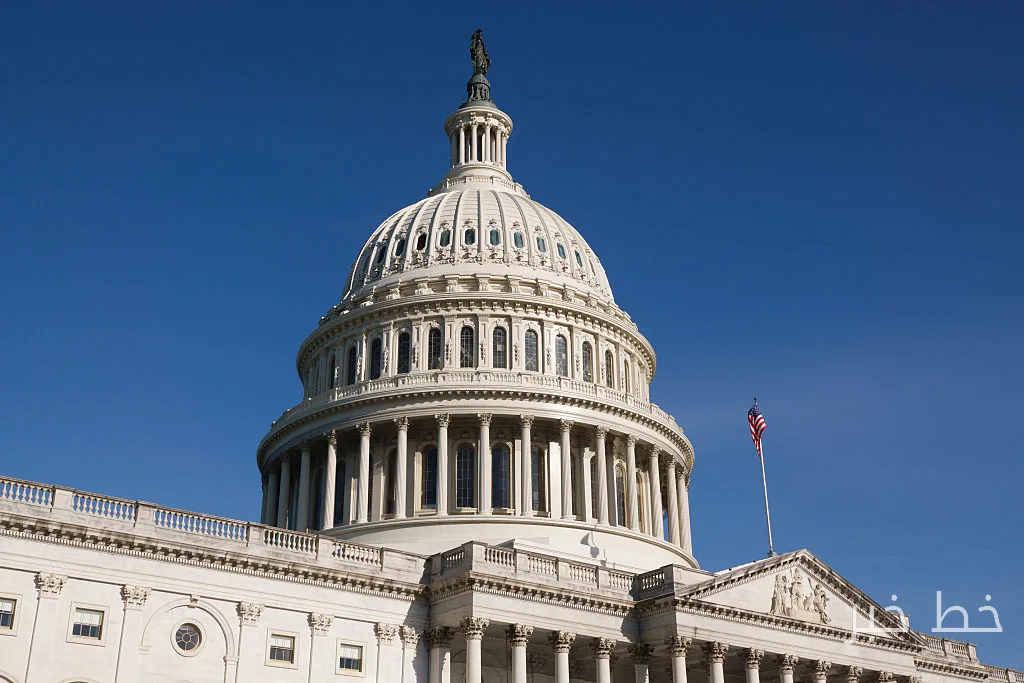
On November 18, the Senate voted to advance the bipartisan permit reform bill (BAAJA). This bill, aimed at accelerating the country's ability to build infrastructure and energy, has faced varied criticism and support from clean energy advocates and environmental activists.
Benefits and Challenges of BAAJA
The goal of BAAJA, according to some clean energy supporters, is to streamline the permitting process to increase energy supply and reduce costs for consumers. Over 300 solar and energy storage companies have supported this bill. According to Jack Anderson Kavana, director of carbon management programs at Columbia University's Center on Global Energy Policy, the bill will ease administrative burdens, putting downward pressure on rising prices. However, its impact will not be felt quickly, and the Rhodium Group predicts that by 2040, households will save between $50 and $78 per year.
Environmental Concerns
In contrast, opponents of the bill, including the Sierra Club and Earthjustice, are concerned that BAAJA could lead to reduced public participation and limit judicial power to halt illegal projects. They also emphasize that while this bill facilitates clean energy construction, it does the same for fossil fuels. One provision of the bill allows developers to sue the government if they feel their project has been unfairly denied.
Despite bipartisan support for strengthening power transmission lines, this bill weakens some environmental safeguards to expedite the establishment of energy projects. Jeffrey Henderson, a professor at the University of Michigan, warns that these issues could delay achieving clean energy goals. Additionally, other provisions in the bill make it nearly impossible to revoke permits once issued.
How this law is interpreted depends on those in power and may affect U.S. energy infrastructure for decades. BAAJA is expected to contribute to reducing gas emissions in any scenario considered, but provisions related to ensuring permits are not included in this analysis.



