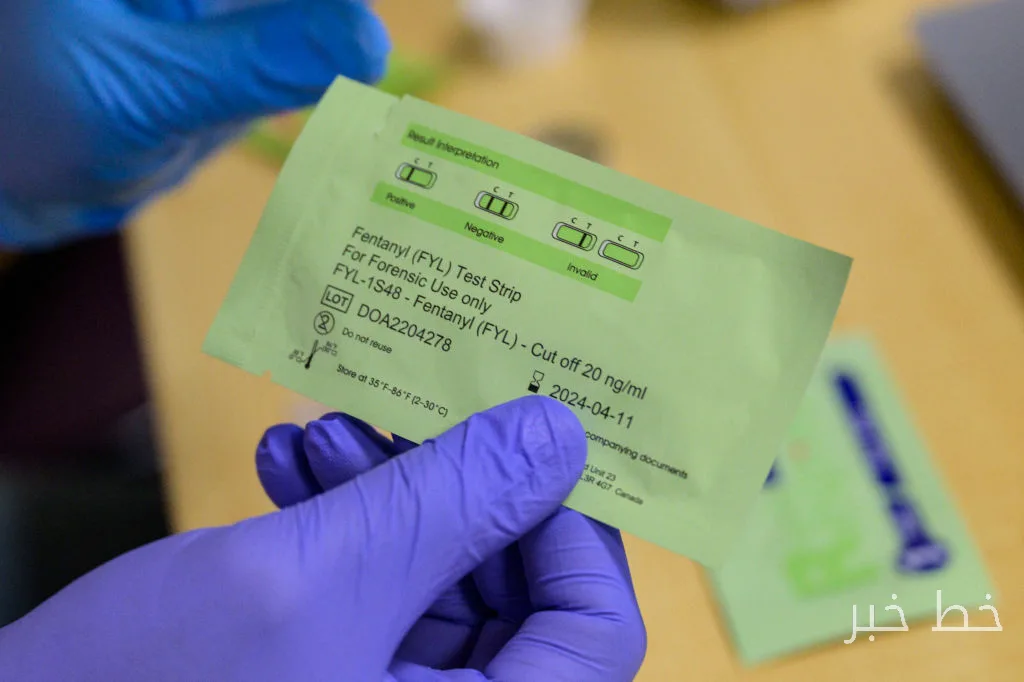
The supply of illegal drugs has changed rapidly in recent months. New substances such as nitazenes, medetomidine, and cyclopropylfentanyl have frequently entered the market. Meanwhile, rapid tests for identifying these substances are being developed and released at a remarkable pace. These tests can provide results within minutes, but treating physicians for overdoses do not have access to them.
Conflict Between Regulations and Medical Needs
This is a significant contradiction: while tests can be used to expel individuals or support criminal cases, physicians present in emergency rooms who are trying to save patients' lives do not have access to these tests. This situation is due to existing regulations that deem many tests for new substances as permissible only for legal uses, and clinical tests for living patients require approval from the U.S. Food and Drug Administration (FDA) as diagnostic tools.
Tests used in patient care must meet FDA requirements for clinical diagnosis. Additionally, tests conducted on-site in hospitals also require further approval to be recognized as simple and low-risk tests. This legal distinction has logical reasons, as tests used for medical decision-making must be accurate and reliable.
New Challenges in Treating Patients
Fentanyl shows how crucial speed is. In early 2023, rapid fentanyl tests existed, but hospitals relied on expensive tests that could take an hour or more. With the rapid changes in the illegal drug market, time is critical for saving patients' lives.
Since 2020, xylazine has expanded in the supply of fentanyl, creating new problems. Naloxone can reverse the effects of opioid substances, but it has no effect on xylazine. Patients can still be in dangerous situations even after receiving naloxone. Xylazine is also associated with necrotic skin wounds that increase the risk of infection.
Medetomidine is also quickly replacing xylazine and is associated with similar effects. This substance cannot be reversed with naloxone and can cause deep sedation and cardiovascular instability. This information could significantly alter patients' treatment plans.
With the lack of rapid tests for these drugs, physicians are forced to rely on indirect information from legal seizures, public health warnings, and outdated mortality data. This data is simply not readily available, and combining it is challenging.
The result is that the existing system can identify new substances in seized samples and autopsies, but it cannot identify them in living patients before physicians do. This needs improvement.
The FDA should create an expedited pathway for clinical testing targeting emerging drug threats. This pathway could be activated in response to the identification of a new substance by organizations such as the Centers for Disease Control and Prevention (CDC). This approach could enhance information in hospitals and act as an early warning system.