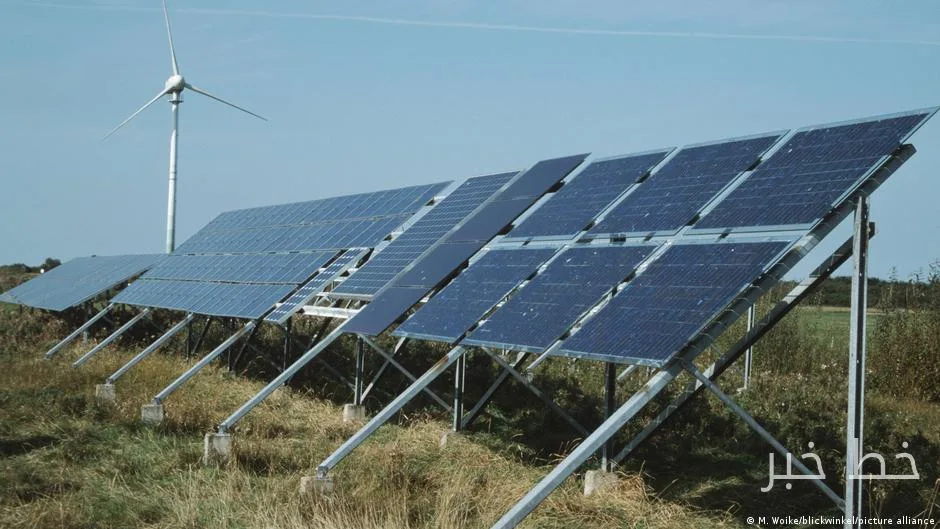
Solar energy production in Germany is nearing a record due to increased sunshine hours and the growth in the number of photovoltaic installations. According to the German Solar Association, as of September 27, 2026, solar energy production has reached 90.2 terawatt-hours, which is more than the total production for the entire year of 2025.
Record Solar Energy Production
Solar energy production in Germany is expected to exceed 100 terawatt-hours in 2026, which is nearly equivalent to 10 times the amount of electricity consumed by a large city like Hamburg in a year. This amount is also close to 50 times more than the 2.2 terawatt-hours produced 20 years ago.
Read more: Donald Trump in the Spotlight at COP31
Benefits of Solar Energy
Karsten KERNIG, CEO of the German Solar Association (BSW-Solar), considers this record a significant milestone and emphasizes that this progress aligns with global efforts to reduce the use of fossil fuels and combat climate change. He stated: "Photovoltaics have become an essential component of our electricity supply. Society as a whole benefits from these advantages: through cheaper electricity, reduced energy imports, and a significant decrease in climate change-related damages."
This year, nearly one-fifth of Germany's electricity has been supplied through photovoltaics, helping it become the third most important source of energy production in the country, after wind energy, which is the highest source of domestically produced energy, and coal.
While sunny days may become less frequent in the winter season, this year has been very good for solar energy production. Many economic experts, alongside this positive news, warn that Germany may face significant budgetary challenges as debt levels are rising.
According to Ansgar HOLLING, President of the Federal Court of Auditors, the government needs to make more efforts to consolidate the budget. He pointed out that every third euro spent by the government is financed through loans, indicating that the government has exceeded its financial capacity.
Considering economic activities and demographic changes, experts predict that if the current situation continues, taxes will soon increase. Meanwhile, the successes in the solar energy sector are seen as a strength for Germany in the field of sustainable energy.
Read more: Funding for TFFF to Protect Rainforests is at Risk · Germany's 2027 Budget Approved with Heavy Debt



