South Korea, which has always had a tense relationship with North Korea, has found itself in a particularly difficult situation in recent weeks. Last month, Seoul accused North Korea of planting mines on the southern side of the heavily fortified border. The mine exploded, injuring three South Korean soldiers. North Korea has refused to apologize and insists that this was a mishap aimed at damaging the country's reputation.
Since then, the North Korean regime has conducted several weapons tests, held an exhibition of military drones attended by Kim Jong Un, and moved its artillery units to the border. They have also begun preparing loudspeaker systems intended to broadcast propaganda towards South Korea.
Read more: U.S. State Department Imposes Visa Restrictions on Migrant Caravan Organizers
Weapons Tests and Escalating Tensions
On Thursday, North Korea fired about 10 short-range ballistic missiles towards the Sea of Japan, just before the scheduled visit of German Chancellor Friedrich Merz to South Korea. Alongside South Korea's issues with its main rival, many in Seoul are also concerned about their main ally, the United States. South Korean politicians worry that the U.S. may overlook South Korea's security or even put it at risk due to North Korea's nuclear ambitions in pursuit of a diplomatic breakthrough.
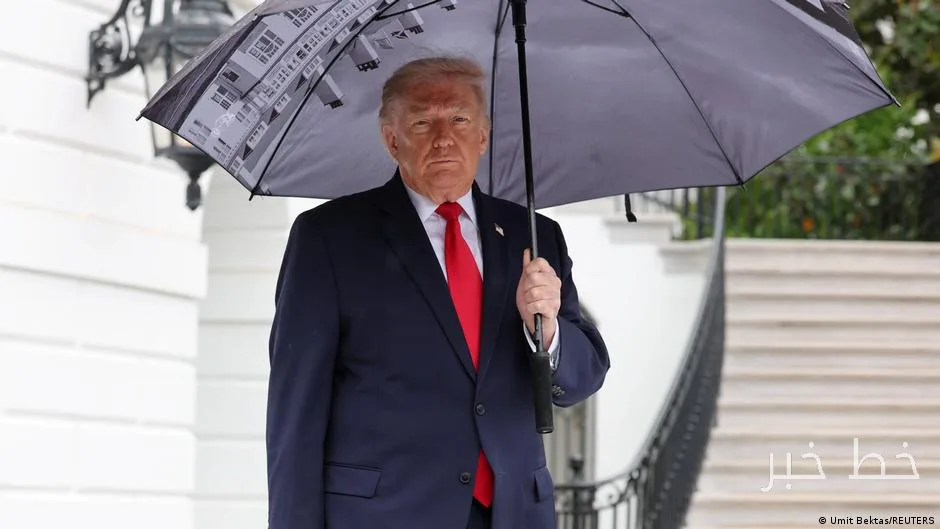
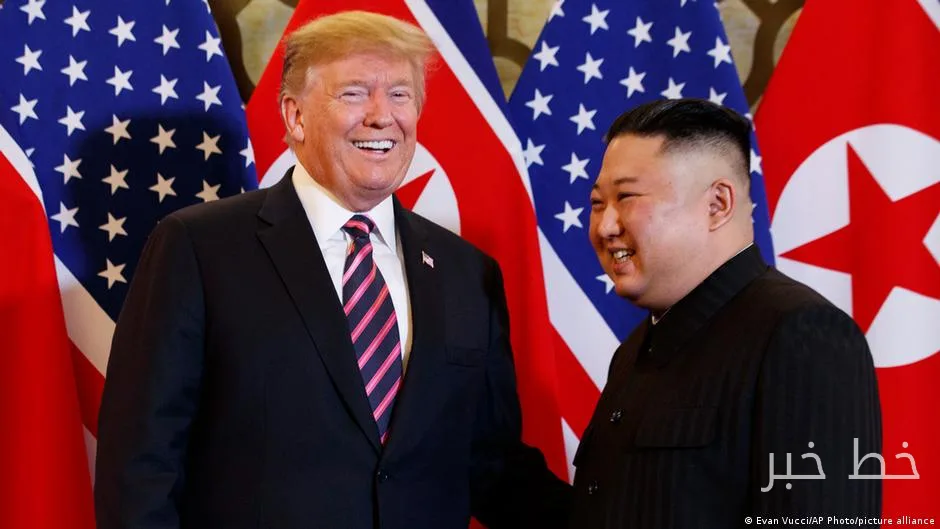
The Trump administration in the United States had publicly stated that he and Kim Jong Un "fell in love." Recently, Trump has shown a willingness to resume negotiations. Some have suggested that a meeting may take place on November 18 in Shenzhen, China, where Trump is expected to attend the Asia-Pacific Economic Cooperation summit.
South Korea's Concerns Over U.S. Policies
North Korea has not officially responded to Washington's statements, although South Korea's National Intelligence Service informed the Seoul Intelligence Committee in a closed session that Kim Jong Un discussed the possibility of meeting Trump during a meeting with senior Chinese officials in Dandong.
Seoul's concerns have also been heightened by the U.S. proposal for trilateral talks with Russia and China regarding the future of Ukraine, without inviting a representative from Kyiv. There is a fear in Seoul that President Trump may undertake a similar maneuver on the Korean Peninsula.
Kim Sang-woo, a former South Korean politician and board member of the Kim Dae-jung Peace Foundation, said: "Currently, there is a trust problem between the two governments."
A security and trade relationship that was previously considered secure has now been damaged by tariffs, trade restrictions, and Washington's demands for increased costs of maintaining U.S. forces stationed in South Korea. Additionally, President Lee's diplomats have lost access to key decision-makers in this White House.
Kim added: "This U.S. administration does not seem to think long-term about its relationship with South Korea. They do not see South Korea as part of their broader national security network and I don’t think they listen to experts about the importance of allies in this region."
As tensions continue between Seoul and Pyongyang, South Korean President Lee is seeking to improve communications with North Korea. These efforts have angered South Korea's European allies, who are concerned about North Korea's deployment of soldiers and provision of ammunition and missiles to Russia in the Ukraine war.
Read more: Bodies of Two Colorado College Students Missing After Hiking Found · Riyadh Asks Washington to Give Diplomacy a Chance