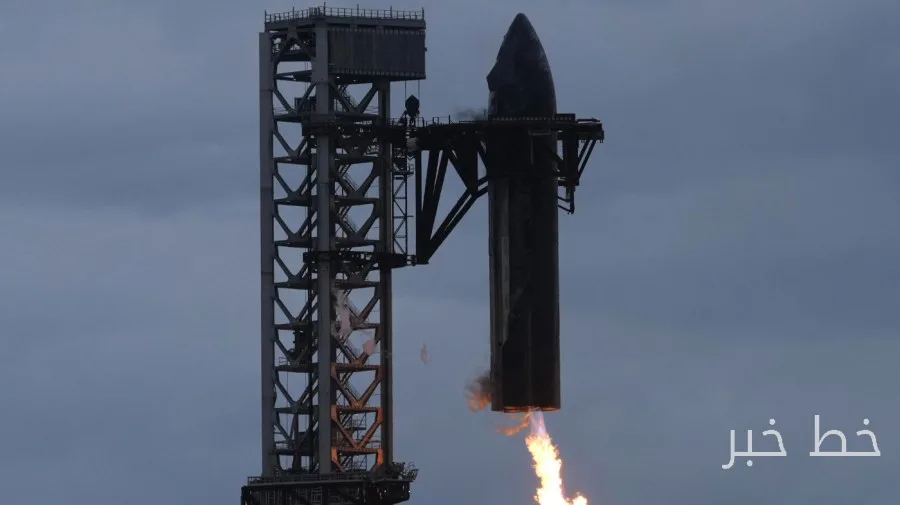
SpaceX's Starship Flight Test 15 is considered a significant milestone in humanity's efforts to explore the Moon. This flight has recently taken place and is recognized as one of the biggest space stories in 2026, directly competing with the Artemis crew mission.
Details of Flight Test 15
SpaceX's Starship Flight Test 15 was conducted to evaluate the spacecraft's capabilities for traveling to the Moon and beyond. This flight included a series of tests and various scenarios, with the main goal of examining Starship's performance in different space conditions and ensuring its safety and efficiency.
Read more: The White House Changes Cybersecurity Chief After Technology Outages
Competition with the Artemis Mission
This test not only aids SpaceX's technological advancements but also serves as a serious competitor to the Artemis crew mission. While Artemis is designed as a government program for returning humans to the Moon, SpaceX aims to facilitate space travel and deeper exploration beyond Earth using its innovative technologies.
Given Starship's previous successes, it is expected that this spacecraft will soon be recognized as a primary vehicle for traveling to the Moon and other space destinations. Such advancements could lead to a fundamental transformation in the space industry and interplanetary exploration.
Future Implications
The success of Flight Test 15 not only enhances SpaceX's credibility but could also lead to increased investments in the space industry. This could encourage other countries and private companies to enter the space arena and pursue further explorations.
Ultimately, SpaceX's Starship Flight Test 15 is another step toward realizing humanity's dream of traveling to space and exploring other planets. This flight is not only regarded as a significant scientific and technological achievement but could also inspire future generations in the field of astronautics and space exploration.
Read more: Widespread Service Disruptions at Microsoft, FAA, and Chase Bank Pose Greater Risks than Cyberattacks · NASA Reports Voyager 1's Space Journey to a Distance of One Light Day from Earth