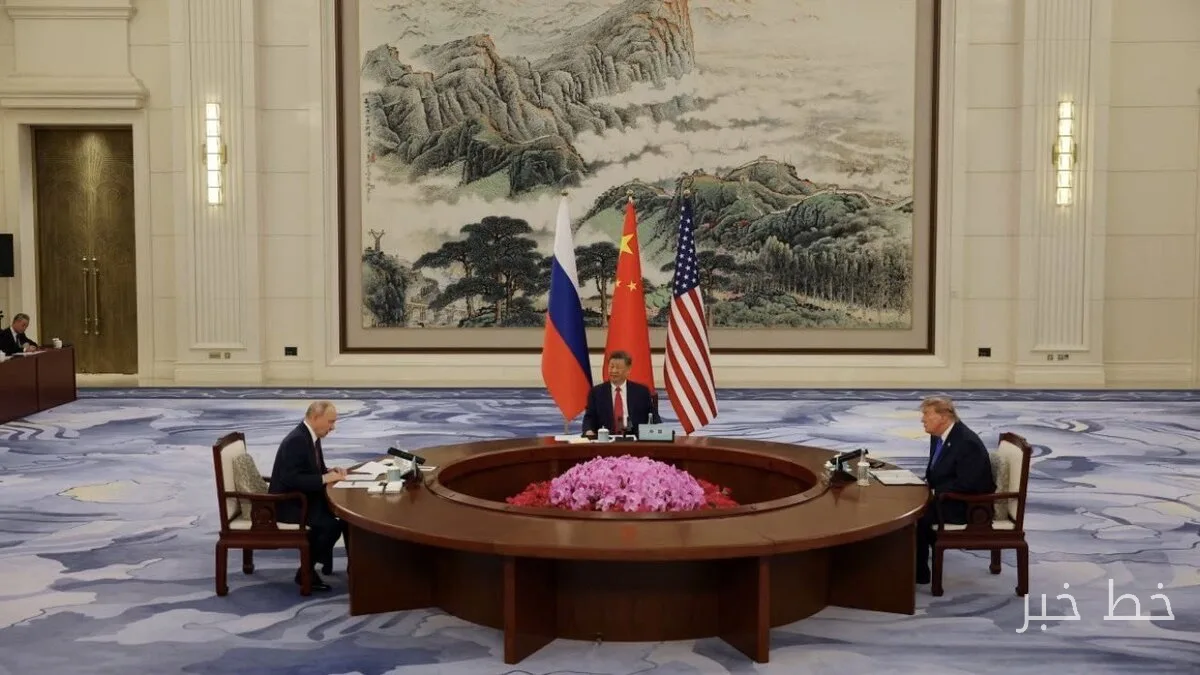
The four-point statement from the summit of leaders of China, Russia, and the United States, although seemingly focused on major international issues, has two clauses—energy flow stability and prevention of nuclear war—that could indirectly relate to the Iran issue and the ongoing tensions surrounding it.
Importance of Energy Stability
In a region where any military conflict could impact the energy market, the security of oil transit routes, and nuclear equations, such an agreement takes on more significance than a mere ceremonial text. The second clause of the statement, emphasizing the increase of production and supply of petroleum products and the necessity of maintaining stable energy flow, carries a message beyond economic cooperation. Iran, due to its geopolitical position, energy capacity, and role in the Gulf equations, is considered one of the influential players in global energy security.
Consequences of Nuclear War
In the event of escalating tensions or the expansion of war, not only the supply of oil and its products but also the security of shipping, transportation costs, and global markets would be at risk of shock. In such circumstances, the agreement of the three major powers on the necessity of energy stability could be a sign of a shared desire to prevent costly regional scenarios; scenarios whose consequences would not be limited to Tehran, Washington, or Tel Aviv and would also involve the major economies of the world.
The fourth clause, however, is the most sensitive part of this statement concerning Iran. The reiterated emphasis by the three presidents that "nuclear war cannot be won and should not be started," alongside discussions about reducing nuclear risks and preventing proliferation, could be seen as a framework for moving towards the containment of nuclear crises, including the Iran issue.
The simultaneous presence of China, Russia, and the United States in such a framework potentially allows for the formation of a larger understanding. The disagreements among these three powers remain in many global issues, but preventing a war that could escalate to a regional or even nuclear level could be a point of common interest.
Now the gap between the text and action in this statement will become clear. If this statement leads to practical actions and changes in the behavior of the actors, it could be seen as a sign of movement towards crisis containment; however, if no changes occur in the field, political positions, and negotiation paths, we will likely face a general agreement to prevent the escalation of the crisis.