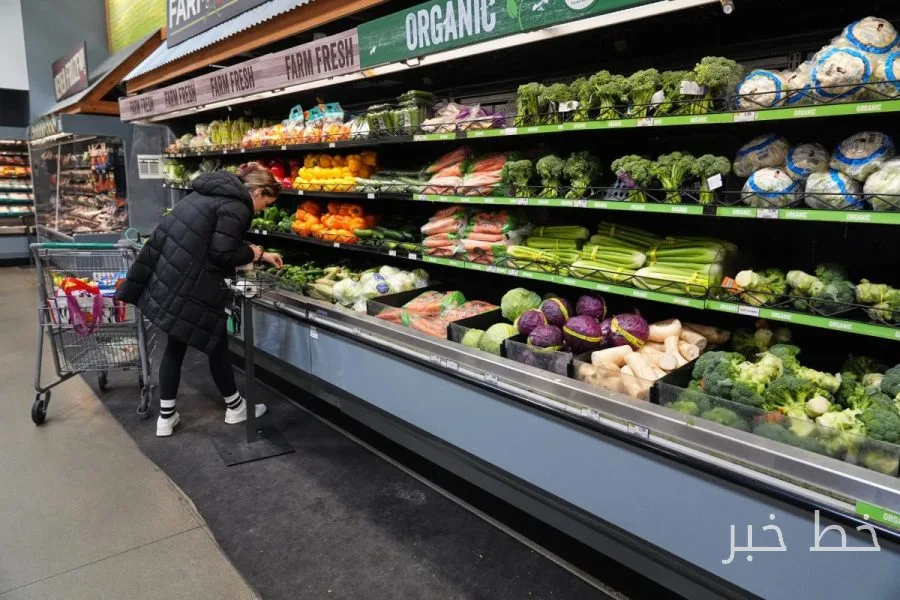
States are currently facing challenges and pressures that could lead to cuts in federal funding for the Supplemental Nutrition Assistance Program (SNAP). To maintain these financial resources, states must minimize their error rates. Otherwise, there is a risk of losing a significant amount of this funding.
Challenges Facing States
SNAP is recognized as one of the vital programs for supporting low-income families in the United States. This program helps millions meet their nutritional needs, but states must improve their performance to benefit from federal funding. If the error rate in processing food assistance applications exceeds the allowable limit, states may face reductions in their funding levels.
Read more: John Healy Faces Serious Budgeting Challenges
Consequences of SNAP Budget Cuts
Reductions in SNAP funding can have serious repercussions for low-income families. This may lead to increased poverty rates and social inequality. Additionally, reduced financial resources can exacerbate social and economic tensions in local communities. Therefore, it is essential for states to take necessary actions to reduce error rates and preserve federal funding.
Overall, states need to pay more attention to improving their processes and reducing error rates to prevent potential negative impacts. In the current situation, time is passing quickly, and states must act as soon as possible.
Read more: France and Italy Face Serious Problems in Cheese Production · State Elections and the Possibility of a Tri-Fecta for States in November