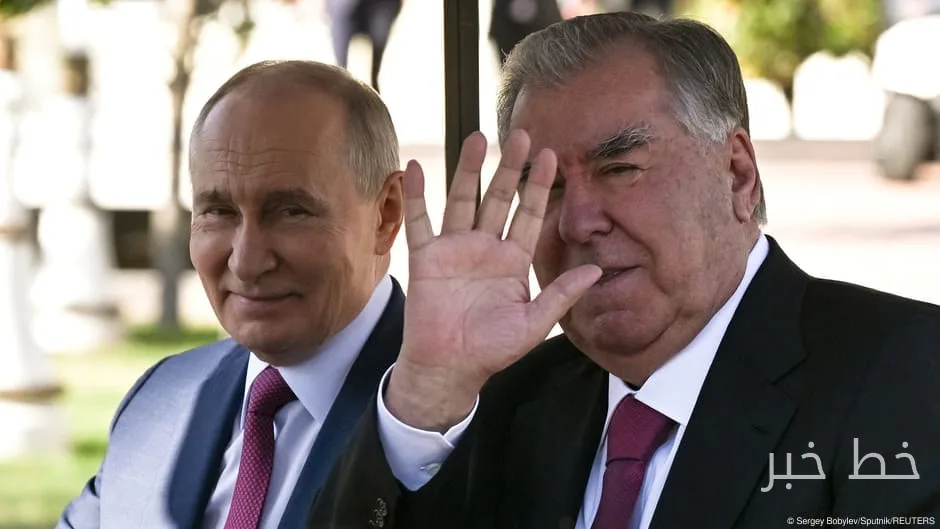
Tajikistan has announced its decision to begin a one-year withdrawal process from the International Criminal Court (ICC). This decision was made on Friday, coinciding with a brief stop by Vladimir Putin, the President of Russia, after a trilateral meeting with Donald Trump and Xi Jinping. Trump's criticisms of the ICC as a tool for abusing its jurisdiction, particularly regarding warmongering and war crimes, have clearly influenced this decision.
Trump's Criticisms of the ICC
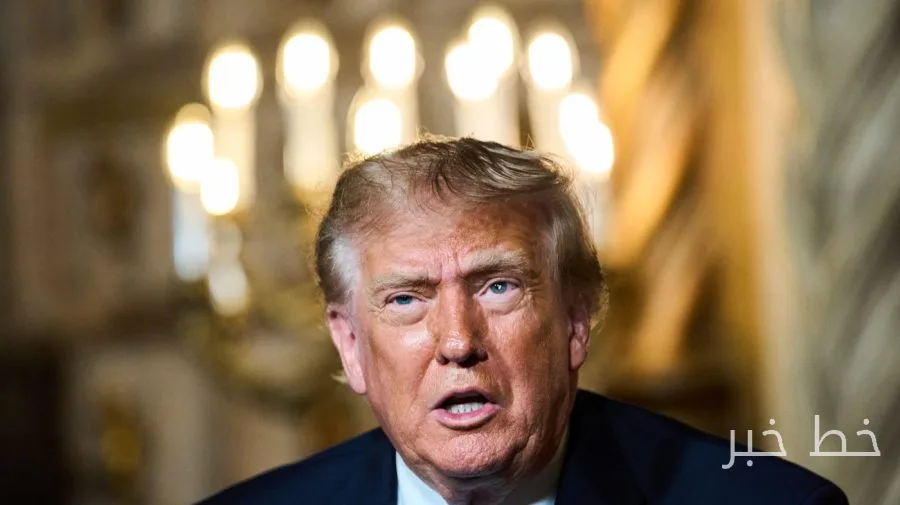
Donald Trump, the President of the United States, and Marco Rubio, the Secretary of State, have strongly attacked the International Criminal Court, accusing it of abusing its powers. In one of his speeches at a trilateral meeting with Putin and Xi, Trump openly criticized this institution. These criticisms sparked a wave of international reactions, and Putin reacted to Trump's remarks with a meaningful smile during this meeting.
Consequences of Tajikistan's Withdrawal
In response to Tajikistan's decision, the International Criminal Court expressed regret and deemed this action as undermining global efforts to end impunity and achieve justice. The ICC stated that "the Court is at the center of the international accountability system and its effectiveness depends on sustained and decisive support from the global community." Tajikistan has been a member of this institution since 1998 as one of the signatories of the Rome Statute that established the ICC, having ratified it in 2000.
Prior to Tajikistan, Burkina Faso, Mali, and Niger also announced their withdrawal from the International Criminal Court, criticizing the institution as a tool for "neocolonial repression." These developments could have profound impacts on the international justice and accountability system, as more countries may consider withdrawing from the ICC.