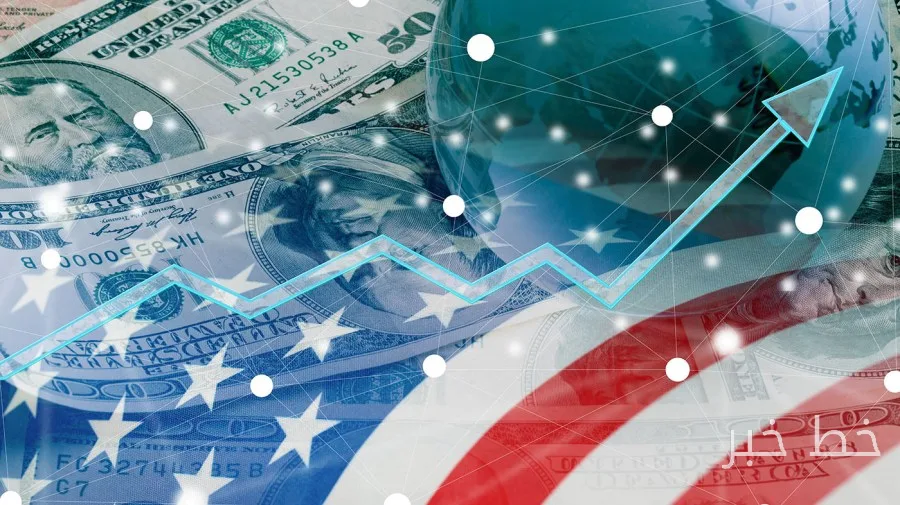
The cost of election advertising for the 2026 midterm elections is projected to be $11.9 billion. This figure is significantly higher than the $2.9 billion that the Environmental Protection Agency (EPA) announced to assist states in replacing lead pipes. The high cost of election advertising has raised criticisms and concerns about its impact on electoral processes and democracy.
Record Election Spending
According to forecasts, the cost of election advertising in this cycle will reach a new record. This is notable as midterm elections typically have lower costs compared to presidential elections. The increase in costs reflects intense competition among candidates and political parties and could have profound effects on policymaking and public decision-making.
Read more: The European Commission is drafting a simplified legal framework for 2027
Potential Consequences of Rising Costs
The increase in election costs may lead to repercussions that affect the democratic process and public participation. Many analysts believe that these costs could benefit specific groups and large financial interests, sidelining the voices of ordinary voters. This situation could lead to a decrease in public trust in officials and electoral processes.
While election advertising helps raise public awareness in some respects, the staggering costs and their implications for the health of democracy remain contentious. In this context, the need for reforms in election finance laws and transparency in advertising expenditures is increasingly felt.
Read more: Democratic lawmakers questioned the IRS chief about delays in estimating back taxes · Patricia Moore and Gab Firmant advance to the second round of the Louisiana Fifth House election