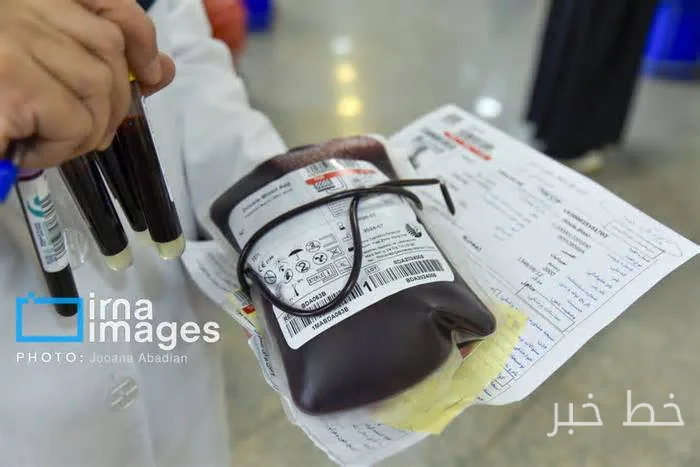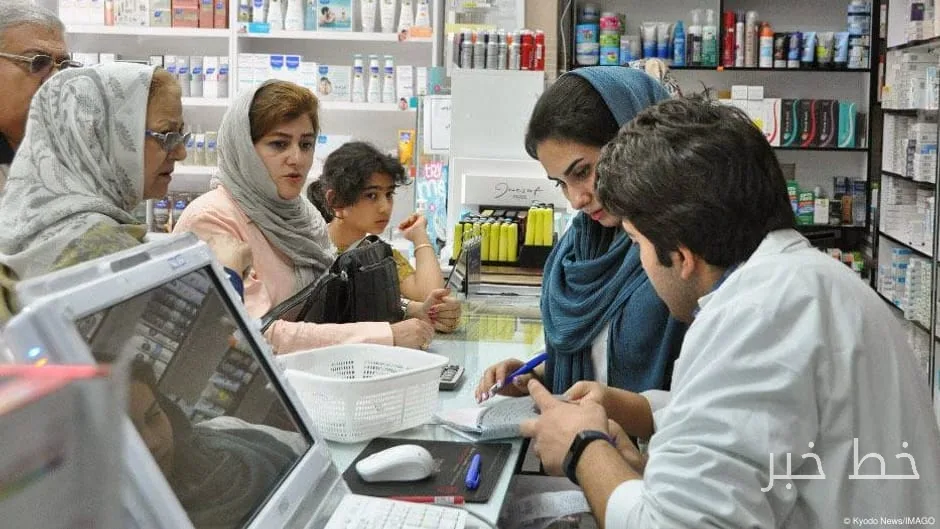
The drug shortage in Iran has turned into a serious crisis. Ahmad, 67, visited nearly 20 pharmacies in Tehran to find the antipsychotic drug chlorpromazine but returned empty-handed. He said, "When a patient has to go to so many pharmacies to find an essential medication, one really has to ask who is responsible for drug supply?"
Access Issues to Medication
Mitra, 37, who has diabetes, has spent days searching for insulin. She stated, "These are not medications that I can postpone or simply do without. My life depends on regular access to this insulin."
Read more: Greg Stanton explains the spread of the Ebola epidemic
These problems are not limited to Tehran, and the crisis has spread throughout Iran's healthcare system. An official at the Iranian Food and Drug Administration (IFDA) stated that the decline in the national currency's value and price controls have reduced drug manufacturers' profits, and hospital debts have delayed drug deliveries.
Factors Contributing to the Crisis
The official added, "With heavy hospital debts added to the distributors, one can see why distribution has been suspended and companies no longer supply drugs to hospitals." He also warned that as long as the Organization of Planning and Budget does not normalize currency allocations to pharmacists, this crisis will continue.
IFDA spokesperson Mohammad Hashemi stated on November 9 that less than 40 essential drugs out of about 700 are facing supply issues. However, pharmacists have reported difficulties in supplying medications on pharmacy shelves.
A pharmacy manager in Tehran said that insurance payments are usually delayed by several months, and drug prices continue to rise. Additionally, one pharmacist in the Mahabad area stated that distributors are asking for cash for rare items.
Insurance delays and changing regulations have forced some pharmacies to cancel contracts or refuse to provide expensive insured medications. A pharmacist in Mahabad, who prefers to be known as "Lili," said that pharmacies may lack about 40 items, and larger pharmacies that supply chemotherapy and complex treatments may lack more than 100 items, including antipsychotic medications and insulin.
Lili warned that many drugs are no longer available in the official supply chain, and some families are forced to turn to street markets that lack cold chain controls and sell counterfeit drugs or drugs with altered expiration dates.
Another manager named "Khodio" said that rare drugs are sold for up to 10 times the official prices. He added, "Under the current conditions, U.S. sanctions and border disruptions increase import costs."
While Iranian officials deny these claims, Health Minister Mohammadreza Zafarghandi called American officials' statements about exemptions "a big lie" earlier this summer, stating that banking, insurance, flight, and transportation sanctions hinder imports.
Some patients, like Ahmad and Mitra, are facing serious problems in accessing essential medications due to this crisis, and the gap between official assurances and what is available on pharmacy shelves is widening every day.
Read more: Washington State fines Nepon Dino for safety violations $10 million · Former Pakistani Foreign Minister sees a diplomatic solution between Iran and the U.S. as beneficial for the whole world