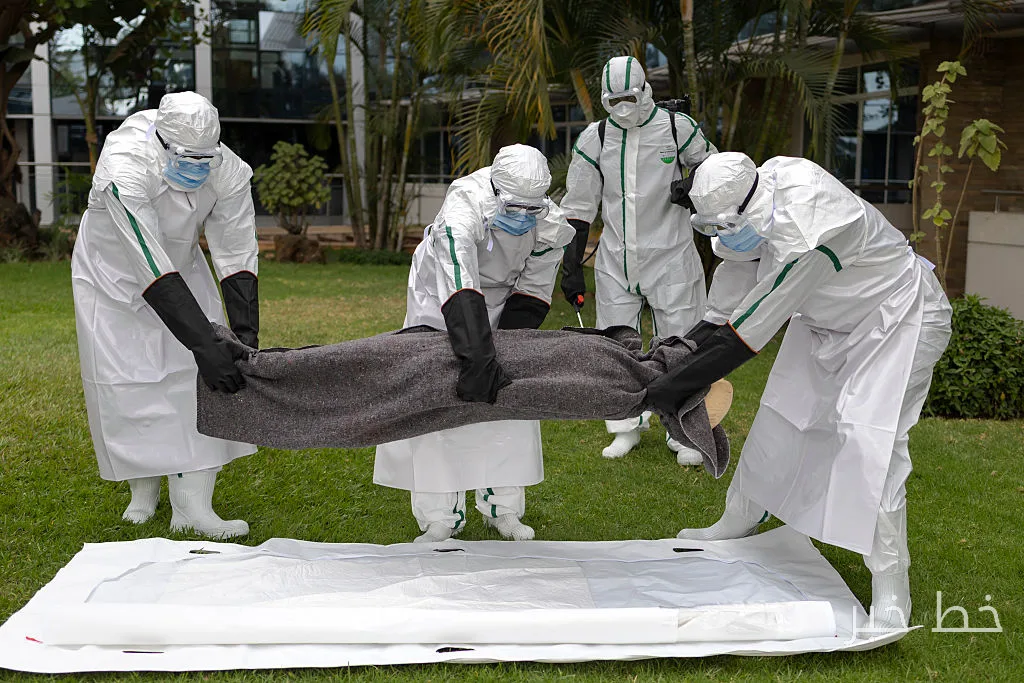
The Ebola outbreak that started in the Democratic Republic of Congo has resulted in over 11,700 confirmed cases and 5,700 deaths as of November 19. This crisis is recognized as the largest and deadliest Ebola outbreak in the history of the country and the second deadliest outbreak globally.
Reasons for the Rapid Spread of the Ebola Outbreak
Katy Thomas-Canfeld, the Ebola response manager for the International Rescue Committee, announced in Bunia, Congo, that this outbreak has spread rapidly due to multiple factors. She stated, "This situation is described as a perfect storm, and specific factors at this point in time have contributed to this rapid evolution."
Read more: Democrats Seek to Expand Medicare Coverage
This outbreak reached over 10,000 cases in 163 days, which is 51 days earlier than the Ebola epidemic in West Africa from 2014 to 2016. This crisis indicates a lack of containment, as cases beyond Congo have also been reported. Uganda has reported 20 confirmed cases and two deaths, Kenya has reported nine cases and two deaths, and Nigeria has reported one case. In France, a doctor who returned from Congo contracted Ebola in June.
Challenges from Resource Shortages and Distrust
Experts believe that late identification, the specific strain of the virus, and the distrust of affected communities towards healthcare providers have limited the response to this crisis. Dr. Abdu Saboushish, a senior health advisor at the international medical NGO, stated that late diagnosis is one of the main reasons for the rapid spread of this outbreak. He explained that there was a significant gap between the start of the outbreak and its discovery.
According to estimates from the U.S. Centers for Disease Control and Prevention, this outbreak began from mid to late February, two to three months before the World Health Organization identified and declared a state of emergency in mid-May. Saboushish said, "This is serious because we currently do not have access to all first contacts. All these individuals have gone to different places, and with limited access, we cannot reach all contacts."
A reduction in human resources, especially in 2025, has exacerbated this crisis. Thomas-Canfeld stated that the decrease in global humanitarian aid has led to a reduced capacity for identifying and responding to new medical threats. She emphasized that "the reduction in aid across various countries has collectively weakened our global capacity."
Many countries have increased their budgets to address this crisis given the severity of the current outbreak, but this cannot compensate for the shortage of healthcare workers that was insufficient in the early months to stop the epidemic.
Containing the outbreak is particularly challenging due to the Bundibugyo virus, which is a rare variant and has no approved antiviral treatment or vaccine. This type of virus produces different symptoms that are not always identified as Ebola, and therefore, it is mistaken for other diseases in the early stages.
Given the high population mobility in the country and the lack of adequate surveillance, healthcare workers are facing moving targets across the country. Thomas-Canfeld noted that the number of health zones affected has increased from 60 to at least 68.
Read more: New York Asks ICE About Winter Safety at Women's Detention Center · Heidi Overton Resigns as FDA Commissioner