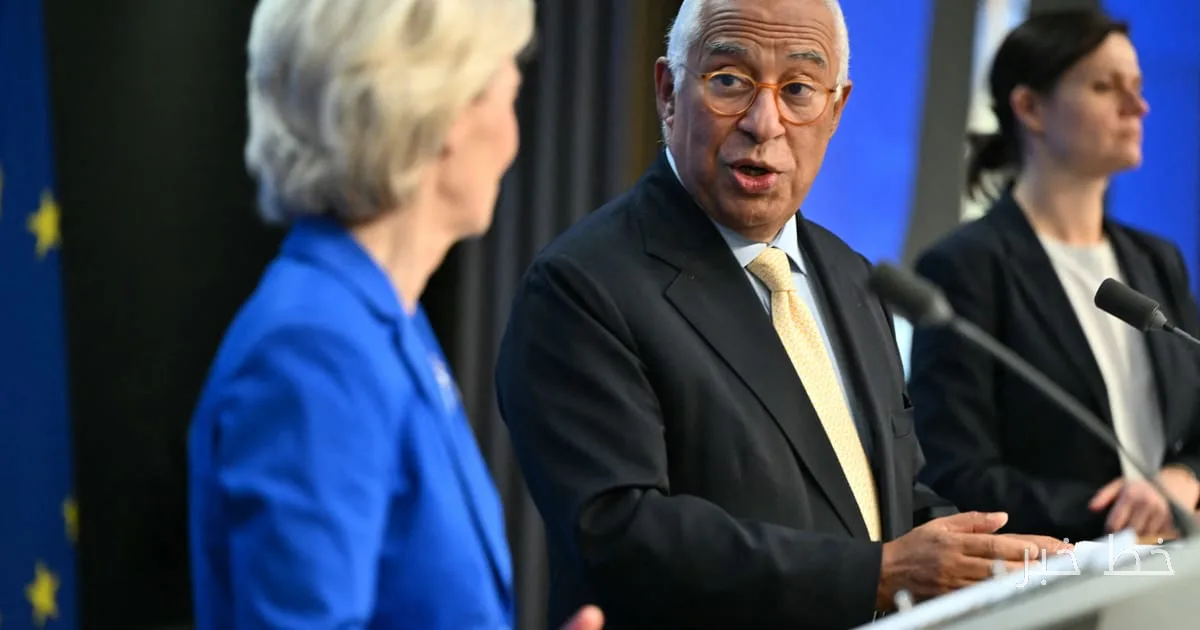
The European Commission is examining whether the revenue from a global tax agreement on multinational corporations can be used to finance the upcoming seven-year budget of the European Union. This news has been reported by European diplomats involved in the negotiations.
Agreement on new taxes
The idea of using global tax revenue may help in reaching an agreement on new taxes at the EU level, known as own resources. This issue is seen as a major obstacle in the ongoing budget negotiations. Antonio Costa, President of the European Council, has urged member states to approve new taxes to reduce national contributions to the EU budget. This budget is valued at €1.82 trillion based on the latest proposals.
Read more: Republicans face electoral backlash over high fuel prices
Tax challenges and pressure on leaders
Costa, who is mediating in the budget negotiations, is pressuring member state leaders to reach an agreement on the budget by the end of this year. This pressure has increased due to upcoming elections in Poland, France, and Italy, which could disrupt the negotiations. However, after more than a year of discussions, EU governments have yet to agree on five proposed new taxes estimated to generate €65 billion annually.
One of the proposed options is a corporate tax called CORE, under which companies would pay tax on revenues exceeding €100 million. This option is particularly less popular in Germany.
Emmanuel Macron, President of France, supported the proposal to allocate part of the tax on multinational corporations to the EU budget during a leaders' meeting in October. Proponents of this proposal believe that this idea could garner more political support than CORE as it taxes based on company profits.
The OECD tax agreement requires EU countries to impose a minimum tax of 15% on large multinational corporations with annual revenues exceeding €750 million since 2021. Controversially, the United States was exempted from these rules as it introduced its own national tax arrangements deemed equivalent to the OECD framework.
The ultimate goal is to prevent countries from competing to offer lower tax rates to attract large multinational corporations. In the past, many foreign multinational companies like Apple and Google have established their offices in Ireland due to low taxes and light regulations. One of the solutions to counter this phenomenon is an "additional" tax that countries below the minimum of 15% must impose on large foreign companies.
Currently, the revenue from these taxes is collected by national governments. However, diplomats have indicated that European capitals could transfer part of this revenue to the EU budget.