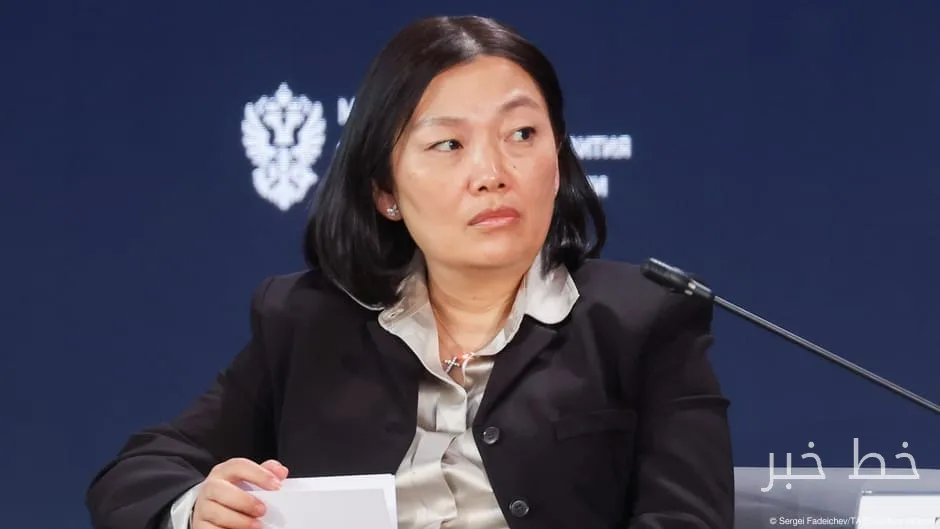
Tatiana Kim, CEO and owner of the online store Wildberries, has been added to the EU sanctions list as the richest woman in Russia. These sanctions, announced on Monday, are due to Kim's economic ties to the Russian military structure and the company's financial activities in this regard.
Details of the Sanctions
With these sanctions, Kim's assets in the EU will be frozen, and she will be prohibited from conducting any financial transactions and traveling to the countries of this union. The European Union has stated that these measures are part of a broader sanctions regime targeting about 50 banks and entities related to oil exports and nearly 100 business leaders and hacker groups supporting Russia.
Read more: Wholesale inflation rises again in the United States
Kim, who was born in Grozny, Chechnya, and raised by parents with Korean roots, currently has a fortune of $8.1 billion. According to EU officials, Wildberries acts as one of the largest taxpayers in Russia and operates as a dual-use and military goods supply network for the Russian army.
Reactions and Consequences
These sanctions come as Ukraine has expanded its list of military targets this summer, including Wildberries warehouses within Russia. Ukraine has claimed that the company's products, which include night vision goggles, ammunition bags, and military helmets, assist Russia's illegal war. Kim defended her company at that time, stating that its products are no different from other online retailers like Amazon in the United States and Alibaba in China.
The Kremlin has also stated that this company and its warehouses have no involvement in the war and that the sanctions are baseless. However, Wildberries stated in a statement that Brussels' sanctions would not affect the company, as it has no assets in the EU and does not conduct business in this region.
On Monday, in addition to Kim, several other entities were added to the sanctions list, including companies in China, Oman, Seychelles, and the United Arab Emirates that are linked to the sale of oil from Russia's illicit tanker fleet. The sale of this oil supports Russia's war, and the EU is trying to stop this process through sanctions and direct financial and military aid to Kyiv.
Since Russia's invasion of Ukraine on February 24, 2022, the EU has imposed over 20 sanction packages and is working to increase pressure on Vladimir Putin, the President of Russia, to engage in negotiations to end this assault. The union plans to introduce another comprehensive sanctions package by the end of this year.
Read more: Greg Stanton says the central bank still has work to do on inflation · France calls for swift EU sanctions against Iran for cyberattacks



